

At a Glance
Location
10901 World Trade Boulevard, Raleigh, NC 27617
Phone
919-746-8900Primary Focus
Treatment Settings
Treatment Approaches
Special Programs
About Triangle Springs Hospital
Triangle Springs Hospital in Raleigh, NC is a behavioral and mental health hospital offering detox, inpatient treatment, outpatient programs, and emergency mental health services for adults, adolescents, veterans, and first responders. With therapeutic methods including CBT, DBT, and trauma-informed treatment, Triangle Springs addresses both addiction and co-occurring mental health conditions under one roof.
Triangle Springs Hospital is a behavioral and mental health hospital located at 10901 World Trade Blvd in Raleigh, North Carolina, serving Wake County and the greater Triangle region. As a facility that treats both substance use and psychiatric conditions together, it occupies a distinct position for people whose recovery involves not just addiction treatment but also underlying mental health challenges such as depression, anxiety, PTSD, bipolar disorder, or borderline personality disorder.
The center operates across multiple levels of care designed to meet people at different points in their recovery. A detox program provides structured withdrawal support as the first step toward longer-term recovery, while residential inpatient treatment offers an immersive environment for deeper stabilization and skill-building. An outpatient program extends care beyond the inpatient stay, and emergency mental health services are available around the clock — the facility operates 24 hours a day, seven days a week.
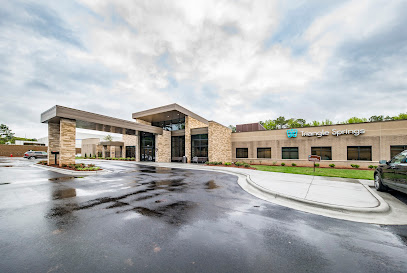
Clinically, Triangle Springs draws on Cognitive Behavioral Therapy (CBT), Dialectical Behavior Therapy (DBT), trauma-informed treatment, and medication management. DBT in particular is well-suited to the populations Triangle Springs serves, given its documented effectiveness with emotional regulation challenges common in borderline personality disorder and trauma histories. The physical environment includes patient rooms, therapeutic spaces, outdoor courtyards, activity-based therapy rooms, and communal areas — spaces designed to support both structured treatment and peer connection during inpatient stays.
Triangle Springs specifically serves children and adolescents alongside adults, and has dedicated programming context for veterans, active duty military, and first responders — populations whose recovery needs often intersect with trauma and occupational stress. For those planning the longer arc of recovery, the facility offers alumni support as part of its aftercare framework, giving former patients a continued connection to the community beyond discharge.
A Full Continuum of Addiction Treatment and Mental Health Care in Raleigh
Triangle Springs Hospital occupies an important place in the Raleigh recovery landscape because it bridges addiction treatment and psychiatric care in a single setting. For people whose substance use is entangled with conditions like depression, PTSD, anxiety, or bipolar disorder, finding a recovery center equipped to treat both sides of that picture — not just one — matters enormously for long-term outcomes. Triangle Springs treats alcohol addiction and drug addiction alongside a full range of mental health diagnoses, which positions it as more than a standard rehab program.
The facility runs 24 hours a day, every day of the week, and offers emergency mental health services in addition to planned admissions. That around-the-clock availability means that for individuals and families in crisis, reaching out at any hour is an option — not something to time around a weekday intake window.
From Detox Through Outpatient: Recovery Across Every Stage
Recovery rarely follows a straight line, and Triangle Springs structures its levels of care to reflect that reality. The detox program addresses the early physical demands of stopping substance use, while inpatient treatment provides a residential environment for the deeper therapeutic work that follows stabilization. For those stepping down or beginning treatment at a less intensive level, an outpatient program allows continued engagement with structured care while maintaining more connection to daily life.
This continuum matters for people planning more than just an acute intervention. Aftercare is part of the picture at Triangle Springs: an alumni support program keeps former patients connected to a recovery community beyond their discharge date, which research consistently links to better long-term outcomes. For families and individuals weighing where to invest in longer-term recovery, the presence of structured aftercare — rather than simply an exit — is a meaningful differentiator.
Specialized Care for Veterans, First Responders, and Young People
Triangle Springs serves populations whose recovery journeys carry specific burdens that generic programming often misses. Veterans and active duty military frequently enter treatment with trauma histories that run alongside addiction, and the clinical overlap between PTSD and substance use requires a treatment approach that addresses both. First responders face similar intersections of occupational trauma and substance use that benefit from informed clinical framing rather than a one-size approach.
The inclusion of children and adolescents is equally significant. Families navigating a young person's mental health crisis or early-stage substance use issues need a behavioral health hospital equipped to treat that age group, not just adults. Triangle Springs serves both, which allows it to function as a resource for families dealing with multiple members at different life stages — a reality many recovery-oriented families know well.
Therapeutic Methods That Support Long-Term Recovery
The clinical framework at Triangle Springs includes Cognitive Behavioral Therapy (CBT), Dialectical Behavior Therapy (DBT), trauma-informed treatment, and medication management. CBT helps people identify and shift the thought patterns that fuel addictive behavior and mood disorders. DBT — originally developed for borderline personality disorder — has broad utility for people in recovery who struggle with emotional regulation, distress tolerance, and interpersonal effectiveness, which are challenges that cut across diagnoses.
Trauma-informed treatment acknowledges that unresolved trauma is often at the root of both substance use and psychiatric symptoms, and it shapes how the clinical team approaches patients rather than functioning as a standalone module. Medication management rounds out the therapeutic toolkit, supporting patients for whom psychiatric medication is part of stabilizing the conditions that complicate recovery. Together, these methods form a clinically grounded foundation for the kind of sustained recovery that communities like Sober Nation's audience are planning for.
Why Choose Triangle Springs Hospital
- Treats alcohol and drug addiction alongside co-occurring psychiatric conditions including PTSD, bipolar disorder, and borderline personality disorder — all within the same facility
- Serves a uniquely broad age range: both children and adolescents alongside adults, making it an option for families navigating treatment across generations
- Dedicated attention to veterans, active duty military, and first responders — populations with intersecting trauma and occupational stress that standard programs may not fully address
- Offers a full continuum from detox through inpatient to outpatient treatment, supporting recovery across multiple stages rather than a single episode of care
- Alumni support program provides a post-discharge community connection for people building long-term recovery after leaving inpatient or residential treatment
Frequently Asked Questions
What levels of care does Triangle Springs Hospital offer for addiction treatment?
Triangle Springs Hospital offers four levels of care: a detox program, inpatient treatment, outpatient treatment, and emergency mental health services. This range allows the facility to support people at different points in recovery, from initial detox through longer-term outpatient programming. The 24/7 operating schedule means the facility is accessible for planned admissions and urgent situations alike.
Does Triangle Springs treat co-occurring mental health conditions alongside addiction?
Yes. Triangle Springs is a behavioral and mental health hospital, not solely a substance abuse treatment facility. It treats conditions including depression, anxiety, PTSD, bipolar disorder, borderline personality disorder, psychosis, and suicidal ideation alongside alcohol and drug addiction. This dual focus is particularly relevant for people whose substance use is connected to an underlying psychiatric condition.
Does Triangle Springs Hospital offer any aftercare or alumni support?
Triangle Springs provides alumni support as part of its aftercare framework. This gives people who have completed inpatient or other treatment levels a continued connection to a recovery community after discharge. For those planning long-term recovery rather than a single treatment episode, this ongoing connection is an important part of the overall program.
Does Triangle Springs serve veterans and military personnel?
Yes. Triangle Springs specifically serves veterans, active duty military, and first responders. These populations often face a combination of occupational trauma and substance use that requires clinically informed treatment, and Triangle Springs lists them as distinct populations served within its programs.
Does Triangle Springs treat children and adolescents, or only adults?
Triangle Springs serves both children and adolescents as well as adults. This makes it a resource for families dealing with mental health or addiction issues across age groups, and it means younger people experiencing a first mental health crisis or early substance use concerns have access to appropriate inpatient and outpatient levels of care.
What therapeutic approaches does Triangle Springs use?
The clinical team at Triangle Springs uses Cognitive Behavioral Therapy (CBT), Dialectical Behavior Therapy (DBT), trauma-informed treatment, and medication management. CBT and DBT are structured, skills-based therapies with strong application in both addiction recovery and mental health treatment. Trauma-informed treatment is integrated into the clinical approach given the overlap between trauma and substance use in many patients.
Where is Triangle Springs Hospital located?
Triangle Springs Hospital is located at 10901 World Trade Blvd in Raleigh, North Carolina, in Wake County. The facility operates 24 hours a day, seven days a week, including for emergency mental health services.
What does the inpatient environment at Triangle Springs look like?
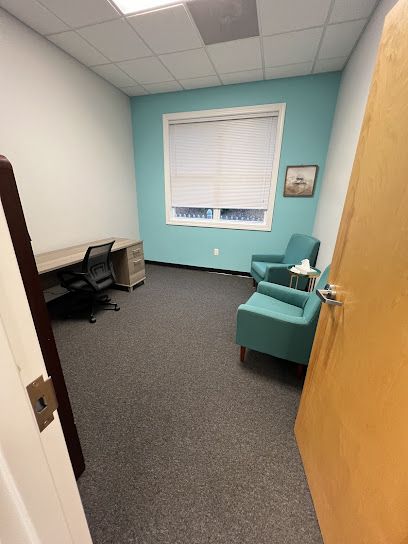
The inpatient setting at Triangle Springs includes patient rooms, dedicated therapeutic spaces, outdoor courtyards, activity-based therapy rooms, and communal areas. These spaces are designed to support both structured clinical programming and the day-to-day environment of residential treatment.
Can I contact Triangle Springs Hospital at any time, or only during business hours?
Triangle Springs operates 24 hours a day, every day of the week. You can reach the facility by phone at (919) 746-8900 or by email at [email protected]. Emergency mental health services are available around the clock, not only during standard intake hours.
Is Triangle Springs only a detox facility, or does it offer longer-term recovery support?
Triangle Springs is not only a detox program. It offers a continuum that includes inpatient treatment, outpatient programming, and alumni support after discharge. This structure supports the longer arc of recovery rather than a single acute intervention, which matters for individuals and families planning sustained, community-connected recovery.
Nearby Treatment Centers
Eleanor Health Durham
Durham, NC
- Detox
- Outpatient
- MAT
Substance use treatment · Cognitive behavioral therapy · Substance abuse counseling
Accepts: Cash or self-payment, Medicaid, Medicare

Pathways to Life Inc
Durham, NC
- Outpatient
Substance use treatment · Does not treat opioid addiction · Cognitive behavioral therapy
Accepts: Cash or self-payment, Medicaid, Medicare
Carolina Community Support Services
Durham, NC
- IOP
Substance use treatment · Does not treat opioid addiction · Cognitive behavioral therapy
Accepts: Cash or self-payment, Medicaid, Military insurance
MindPath Care Centers at Carolina Partners
Durham, NC
- Outpatient
- MAT
Substance use treatment · Cognitive behavioral therapy · Dialectical behavior therapy
Accepts: Cash or self-payment, Medicare, Private health insurance
First Step Services LLC
Cary, NC
- IOP
Substance use treatment · Accepts clients on opioid medication but prescribed elsewhere · Cognitive behavioral therapy
Accepts: Cash or self-payment, Medicaid, Medicare
Community Care Service LLC
Durham, NC
- Outpatient
Substance use treatment · Does not treat opioid addiction · Substance abuse counseling
Accepts: Medicaid, Medicare, Private health insurance