

 1 / 3
1 / 3At a Glance
Location
5940 East Copper Hill Drive, Prescott Valley, AZ 86314
Phone
928-583-7799Primary Focus
Treatment Settings
Treatment Approaches
About Stoneridge Ctrs for Brain and Add Trt
Stoneridge Centers for Brain and Addiction Treatment in Prescott Valley, AZ offers inpatient and outpatient addiction treatment with a distinctive focus on brain-based therapies — including TMS, neurofeedback, and brain mapping — alongside Cognitive Behavioral Therapy for co-occurring disorders. The center serves a wide range of populations, from veterans to seniors, and accepts Medicaid, private insurance, and sliding-scale payment.
Stoneridge Centers for Brain and Addiction Treatment is a substance use treatment facility located at 5940 East Copper Hill Drive in Prescott Valley, Arizona, in the heart of Yavapai County. What sets this recovery center apart from many others is its explicit integration of brain science into addiction treatment — using tools like Transcranial Magnetic Stimulation (TMS), neurofeedback, and brain mapping alongside more traditional clinical methods. For people seeking a recovery partner focused on the neurological dimensions of substance abuse treatment, Stoneridge occupies a distinct position in the Arizona treatment landscape.
The center provides three levels of care: a standard Outpatient Program, an Intensive Outpatient Program (IOP), and Inpatient treatment — giving individuals and families the flexibility to match the level of structure to where they are in their recovery. The IOP is particularly relevant for those stepping down from residential treatment or managing recovery responsibilities alongside work and family life, while the inpatient level provides the immersive structure that early recovery often demands. The facility operates 24 hours a day, meaning support is available around the clock.
Clinically, Stoneridge Centers addresses co-occurring disorders and dual diagnosis alongside substance use, recognizing that trauma and PTSD frequently intersect with addiction. Cognitive Behavioral Therapy (CBT) anchors the therapeutic work, and the facility's brain-focused tools — TMS, ketamine, neurofeedback, and brain mapping — represent a clinical investment in understanding how addiction affects brain function. This combination of CBT and neurological intervention is relatively uncommon in outpatient and residential addiction treatment settings.
Stoneridge Centers serves a notably broad range of populations: veterans, pregnant women, seniors and older adults, men, women, those living with HIV/AIDS, and court-ordered individuals. Payment options include Medicaid, state insurance, private insurance, self-pay, and sliding scale fees, reducing common financial barriers to longer-term addiction treatment and recovery. Mark Collins, DO, serves as both Medical Director and Founder, with a leadership team that includes a VP of Clinical Services and a Director of Nursing.
Brain-Based Addiction Treatment in Prescott Valley
Stoneridge Centers for Brain and Addiction Treatment takes a neurologically grounded approach to substance abuse treatment that distinguishes it from conventional rehab programs. Rather than relying solely on talk therapy, the center incorporates Transcranial Magnetic Stimulation (TMS), neurofeedback, ketamine, and brain mapping as part of its clinical offerings — tools designed to address how addiction reshapes brain function over time.
This focus on the brain as central to both the problem and the recovery process reflects the facility's identity. Cognitive Behavioral Therapy (CBT) provides the psychological framework, while the brain-based modalities address the neurological side of addiction. For individuals who have found that traditional outpatient programs or residential treatment alone have not been sufficient, this combination offers a different avenue into sustained recovery.
Levels of Care: From Inpatient to Outpatient Recovery Programs
Stoneridge Centers offers inpatient, Intensive Outpatient (IOP), and standard outpatient program options, allowing individuals to enter treatment at the level that fits their situation and transition as their recovery progresses. Inpatient treatment provides a structured residential environment for those in early or complex recovery, while the IOP gives people the clinical intensity of frequent treatment sessions without requiring full residential placement.
The outpatient program supports longer-term recovery maintenance, helping people stay connected to substance abuse treatment resources while reintegrating into daily life. The facility's 24-hour operating schedule means that this continuum of care is accessible at any point — a meaningful feature for individuals and families navigating the unpredictable nature of recovery.
Dual Diagnosis and Trauma-Informed Addiction Treatment
Co-occurring disorders — particularly trauma and PTSD — are explicitly part of Stoneridge Centers' clinical scope. Many people entering addiction treatment carry unaddressed trauma that has shaped their relationship with substances, and treating one without the other often leaves the underlying dynamic intact. The center's dual diagnosis capabilities mean that both conditions are addressed within the same treatment setting.
CBT is well-suited to this work, offering structured tools for identifying and interrupting the thought patterns that link trauma responses to substance use. For veterans, who are among the populations Stoneridge specifically serves, the intersection of PTSD and addiction is a particularly common clinical reality — and one the center is positioned to address within its existing treatment framework.
Who Stoneridge Centers Serves and How to Access Care
Stoneridge Centers serves a wide population, including veterans, pregnant women, seniors and older adults, men, women, individuals with HIV/AIDS support needs, and those entering treatment through court order. This breadth reflects a commitment to meeting people across different life circumstances and legal situations, rather than narrowing intake to a single demographic.
Financial access is addressed through multiple payment options: Medicaid, state insurance, private insurance, self-pay, and a sliding scale fee structure. Individuals and family members can reach Stoneridge Centers directly at (928) 583-7799 or visit stoneridgecenters.com to learn more about which level of care may be the right fit.
Why Choose Stoneridge Ctrs for Brain and Add Trt
- Brain-focused treatment technology — TMS, neurofeedback, ketamine, and brain mapping — integrated directly into the addiction treatment program
- Three levels of care (Outpatient, IOP, and Inpatient) allow individuals to find the right structure for their stage of recovery
- Specialized dual diagnosis and co-occurring disorder treatment addressing trauma and PTSD alongside substance use
- Serves one of the broadest population ranges in the region, including veterans, pregnant women, seniors, and court-ordered individuals
- Open 24 hours with multiple payment pathways including Medicaid, state insurance, and sliding scale — reducing barriers to sustained recovery
Frequently Asked Questions
What levels of care does Stoneridge Centers offer for addiction treatment?
Stoneridge Centers provides three levels of care: an Inpatient program, an Intensive Outpatient Program (IOP), and a standard Outpatient Program. This range allows individuals to enter at the appropriate level of structure for their recovery and transition between levels as their needs change. The facility operates 24 hours a day.
Does Stoneridge Centers treat co-occurring mental health conditions alongside addiction?
Yes. Stoneridge Centers specifically treats co-occurring disorders and dual diagnosis, including Trauma and PTSD, alongside substance use. Addressing these conditions together within the same treatment setting is a core part of the center's clinical approach.
What therapeutic methods does Stoneridge Centers use?
Cognitive Behavioral Therapy (CBT) is the confirmed therapeutic method used at Stoneridge Centers. The facility also incorporates brain-focused treatment technologies including Transcranial Magnetic Stimulation (TMS), neurofeedback, ketamine, and brain mapping as part of its clinical program.
What makes Stoneridge Centers different from other rehab programs in Arizona?
Stoneridge Centers integrates brain-based treatment technologies — TMS, neurofeedback, brain mapping, and ketamine — directly into its addiction treatment program, alongside CBT. This neurological focus, combined with dual diagnosis capabilities and a wide range of populations served, sets the center apart from conventional residential or outpatient programs.
Does Stoneridge Centers accept Medicaid or offer financial assistance?
Yes. Stoneridge Centers accepts Medicaid, state insurance, private insurance, and self-pay. A sliding scale fee option is also available, which can help reduce the financial barrier for individuals and families evaluating longer-term addiction treatment.
Does Stoneridge Centers offer treatment for veterans?
Veterans are among the specific populations Stoneridge Centers is confirmed to serve. Given the center's dual diagnosis capabilities — including trauma and PTSD treatment — and its brain-focused clinical tools, it is positioned to address the complex needs that veterans often bring to addiction treatment.
Can pregnant women receive addiction treatment at Stoneridge Centers?
Yes. Pregnant women are listed among the populations Stoneridge Centers serves. Individuals seeking care during pregnancy are encouraged to contact the center directly at (928) 583-7799 to discuss the appropriate level of care and program fit.
Is Stoneridge Centers appropriate for court-ordered treatment?
Yes. Stoneridge Centers accepts court-ordered individuals and is equipped to serve those entering treatment through the legal system. The center offers multiple levels of care — inpatient, IOP, and outpatient — which can accommodate various court-mandated treatment requirements.
What is the Intensive Outpatient Program (IOP) at Stoneridge Centers?
The IOP at Stoneridge Centers is a structured level of outpatient care that provides more clinical intensity than a standard outpatient program. It is a common choice for individuals stepping down from inpatient treatment or those who need consistent therapeutic support while managing daily life responsibilities.
How can I contact Stoneridge Centers to learn more or start the admissions process?
Stoneridge Centers can be reached by phone at (928) 583-7799. The facility is located at 5940 East Copper Hill Drive, Suite E, in Prescott Valley, Arizona. Additional information is available at stoneridgecenters.com. The facility operates 24 hours a day.
Nearby Treatment Centers
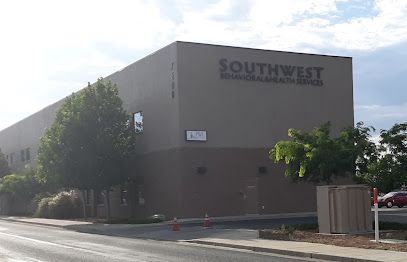
Southwest Behavioral and Health Servs Prescott Valley Outpatient
Prescott Valley, AZ
- IOP
Substance use treatment · Does not treat opioid addiction · Cognitive behavioral therapy
Accepts: Cash or self-payment, Medicaid, Medicare

Southwest Behavioral and Health Servs
Prescott Valley, AZ
- Detox
- IOP
- MAT
Substance use treatment · Accepts clients on opioid medication but prescribed elsewhere · All Clients in Opioid Treatment Program
Accepts: Cash or self-payment, Medicaid, Medicare
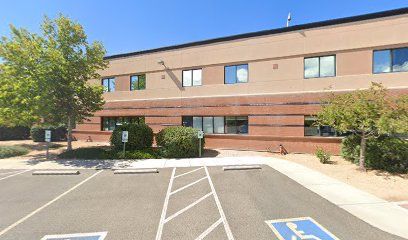
West Yavapai Guidance Clinic Windhaven Psychiatric Hospital
Prescott Valley, AZ
- Detox
- MAT
Substance use treatment · Accepts clients on opioid medication but prescribed elsewhere · Cognitive behavioral therapy
Accepts: Cash or self-payment, Medicaid, Medicare
Windhaven Clinic West Yavapai Guidance Clinic
Prescott Valley, AZ
- Outpatient
Substance use treatment · Does not use medication for opioid addiction · Substance abuse counseling
Accepts: Cash or self-payment, Medicaid, Medicare
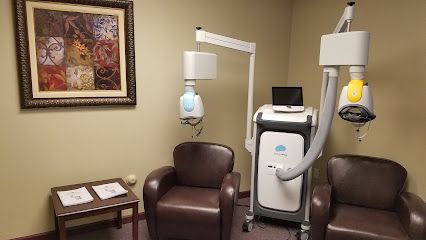
West Yavapai Guidance Clinic Windsong Center
Prescott Valley, AZ
- Outpatient
- MAT
Substance use treatment · Accepts clients on opioid medication but prescribed elsewhere · Cognitive behavioral therapy
Accepts: Cash or self-payment, Medicaid, Medicare
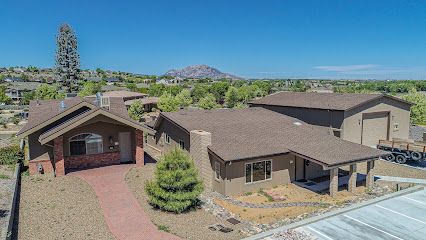
Granite Mountain Behavioral Healthcare
Prescott Valley, AZ
- Detox
- PHP
- IOP
- MAT
Substance use treatment · Cognitive behavioral therapy · Dialectical behavior therapy
Accepts: Cash or self-payment, Medicaid, State-financed health insurance plan other than Medicaid