

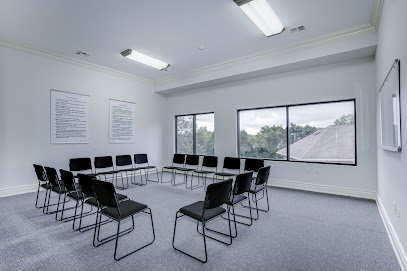
At a Glance
Location
638 E Ocean Ave, Boynton Beach, FL 33435
Phone
800-411-8019Primary Focus
Treatment Settings
Treatment Approaches
Special Programs
About Seacrest Recovery Center
Seacrest Recovery Center in Eatontown, NJ offers residential treatment, medical detox, and outpatient programs for adults seeking structured, longer-term addiction treatment and recovery support. Serving young adults and women with personalized treatment plans, the center combines psychiatric care, peer support, and a full continuum of care — from detox through outpatient — in Monmouth County.
Seacrest Recovery Center is a drug and alcohol treatment center located at 162 Main Street in Eatontown, New Jersey, offering a full continuum of care within a single recovery community. Operating 24 hours a day with round-the-clock medical supervision, Seacrest serves Monmouth County residents and those across the region who are looking for more than a short-term fix — providing structured, longer-term recovery support that meets people wherever they are in the process.
The center provides four distinct levels of care: medical detox, residential treatment, intensive outpatient (IOP), and a standard outpatient program. This continuum allows individuals to step down gradually through treatment rather than facing an abrupt transition out of care — a model that supports sustained recovery rather than treating addiction as a single acute event. Each level of care is supported by 24/7 medical supervision and personalized treatment plans built around each person's specific circumstances.
Seacrest's clinical framework draws from a wide range of therapeutic methods confirmed at the facility, including Cognitive Behavioral Therapy (CBT), psychodynamic therapy, solution-focused therapy, rapid resolution therapy, trauma therapy, and 12-step facilitation. The center also provides group therapy, individual counseling, family therapy, psychiatric care, holistic therapy, process therapy, and medication-assisted treatment. Co-occurring disorders, dual diagnosis presentations, trauma, PTSD, and mental health conditions are all treated alongside substance use — reflecting an understanding that addiction rarely exists in isolation.
Seacrest Recovery Center specifically serves young adults ages 18 to 25 and women, two populations whose recovery needs are often distinct and underserved by general adult programming. Life skills training and peer support are built into the program, helping residents and outpatient participants build practical foundations for life after treatment. Private insurance and self-pay options are accepted, and insurance coverage can sometimes offset up to 100% of treatment costs.
A Full Recovery Continuum in Monmouth County, NJ
For people evaluating longer-term recovery options in New Jersey, Seacrest Recovery Center stands out by offering four levels of care in one place: medical detox, residential treatment, intensive outpatient (IOP), and outpatient programming. Rather than forcing a hard transition from one provider to another, Seacrest allows individuals to move through a structured continuum as their recovery progresses — a model that supports durability rather than just stabilization.
Located in Eatontown in Monmouth County, the center operates 24 hours a day with 24/7 medical supervision in place. This constant availability matters most in early recovery, when medical and emotional needs can shift quickly. Whether someone is entering medical detox or stepping down from residential treatment into an outpatient program, the same clinical team and recovery community remain part of the picture.
Treatment Approaches at Seacrest Recovery Center
Seacrest uses a wide range of therapeutic methods that go well beyond any single modality. Cognitive Behavioral Therapy (CBT), 12-step facilitation, and medication-assisted treatment (MAT) anchor the clinical core, while psychodynamic therapy, solution-focused therapy, rapid resolution therapy, and process therapy provide additional frameworks depending on each person's needs. Trauma therapy is also available, reflecting the center's commitment to treating the full picture of what drives and sustains addiction.
Group therapy, individual counseling, family therapy, psychiatric care, and holistic therapy are all part of the program. The inclusion of family therapy is particularly meaningful for a recovery-community audience — family involvement is one of the strongest predictors of long-term sobriety, and Seacrest builds it directly into the treatment model rather than treating it as an afterthought. Personalized treatment plans ensure that the specific combination of these services is tailored to each individual rather than applied uniformly.
Dual Diagnosis and Trauma-Informed Addiction Treatment
Seacrest Recovery Center treats co-occurring disorders and dual diagnosis presentations alongside substance use — meaning that mental health conditions, trauma, and PTSD are not set aside until after addiction treatment is complete. This integrated approach reflects a clinical reality that the recovery community has long recognized: for many people, addressing substance use without addressing the underlying mental health picture leads to relapse.
Psychiatric care is available on-site, supporting accurate diagnosis and ongoing medication management where appropriate. Trauma therapy and rapid resolution therapy are both confirmed parts of the clinical offering, giving the center tools specifically designed to address trauma responses that often underlie or complicate recovery. For young adults and women — the two populations Seacrest specifically serves — trauma-informed care is especially relevant, as these groups disproportionately enter treatment with trauma histories.
Who Seacrest Recovery Center Serves — and How to Get Started
Seacrest Recovery Center specifically serves young adults between the ages of 18 and 25 and women. These are populations whose recovery experiences, social pressures, and clinical needs often differ significantly from the general adult population — and programming that accounts for those differences tends to produce better outcomes. Life skills training and peer support are included in the program, helping participants build practical tools for sustaining recovery beyond discharge.
The center accepts private insurance and self-pay arrangements. Insurance coverage can sometimes cover up to 100% of treatment costs, making it worth a direct conversation with the admissions team about what your plan may cover. Seacrest can be reached at (833) 610-1174, and the facility is open 24 hours for anyone ready to take that first step toward residential treatment, IOP, or any other level of care in the continuum.
Why Choose Seacrest Recovery Center
- Full continuum from medical detox through outpatient — all under one roof in Eatontown, NJ
- Specialized programming for young adults (18–25) and women, populations with distinct recovery needs
- Dual diagnosis and trauma treatment built into care at every level, including PTSD and co-occurring mental health
- Exceptionally broad therapeutic toolkit: CBT, rapid resolution therapy, psychodynamic therapy, 12-step facilitation, MAT, and more — all confirmed at this facility
- 24/7 medical supervision and open 24 hours, supporting continuity of care through every stage of recovery
Frequently Asked Questions
What levels of care does Seacrest Recovery Center offer?
Seacrest provides a full continuum that includes medical detox, residential treatment, intensive outpatient (IOP), and a standard outpatient program. This range allows individuals to move through progressively less intensive levels of care as their recovery stabilizes, supporting a longer-term approach to sobriety rather than a single episode of treatment.
Does Seacrest Recovery Center treat co-occurring mental health conditions?
Yes. Seacrest treats co-occurring disorders, dual diagnosis presentations, trauma, PTSD, and mental health conditions alongside addiction. Psychiatric care and trauma therapy are both part of the confirmed clinical program, allowing the center to address the full range of factors that contribute to substance use.
What therapeutic approaches are used at Seacrest?
Seacrest uses a broad range of therapeutic methods including Cognitive Behavioral Therapy (CBT), 12-step facilitation, medication-assisted treatment (MAT), psychodynamic therapy, solution-focused therapy, rapid resolution therapy, trauma therapy, and process therapy. Group therapy, individual counseling, family therapy, psychiatric care, and holistic therapy are also part of the program.
Who does Seacrest Recovery Center specifically serve?
The center specializes in serving young adults between the ages of 18 and 25 and women. Programming includes life skills training and peer support, which are especially relevant for these populations as they build sustainable routines and social structures in recovery.
Does Seacrest offer family therapy as part of its program?
Yes, family therapy is a confirmed part of Seacrest's therapeutic approach. Family involvement is integrated into the treatment model, recognizing that recovery is strengthened when family members are part of the process rather than kept at a distance.
What payment options are accepted at Seacrest Recovery Center?
Seacrest accepts private insurance and self-pay arrangements. The center notes that insurance can sometimes cover up to 100% of treatment costs. Prospective clients are encouraged to call (833) 610-1174 to discuss what their specific plan may cover.
Is Seacrest Recovery Center open around the clock?
Yes. Seacrest operates 24 hours a day and provides 24/7 medical supervision throughout the facility. This continuous availability supports safe care during all phases of treatment, including medical detox and residential stays.
Where is Seacrest Recovery Center located?
Seacrest Recovery Center is located at 162 Main Street in Eatontown, New Jersey, in Monmouth County. The center serves individuals in Eatontown and the surrounding region who are seeking residential treatment, outpatient programming, or medical detox.
Does Seacrest Recovery Center offer peer support as part of treatment?
Yes. Peer support is a confirmed feature of the program at Seacrest. Combined with life skills training, it helps participants develop the practical tools and social connections that contribute to lasting recovery beyond the formal treatment period.
What is the difference between the IOP and outpatient program at Seacrest?
Seacrest offers both an intensive outpatient program (IOP) and a standard outpatient program as part of its continuum of care. IOP typically involves a higher number of weekly clinical hours compared to standard outpatient, making it a common step-down option after residential treatment or medical detox for those ready to return to daily life while maintaining structured support.
Nearby Treatment Centers
New Perspectives
Boynton Beach, FL
- IOP
- MAT
Substance use treatment · All Clients in Opioid Treatment Program · Cognitive behavioral therapy
Accepts: Cash or self-payment, Private health insurance
Beachcomber Family Treatment Center
Delray Beach, FL
- Residential
- MAT
Substance use treatment · Cognitive behavioral therapy · Dialectical behavior therapy
Accepts: Cash or self-payment, Private health insurance

Boca Detox Center
Boynton Beach, FL
- Detox
- Residential
- MAT
Cognitive behavioral therapy · Dialectical behavior therapy · Substance abuse counseling
Accepts: Cash or self-payment, Private health insurance, Sliding fee scale

Immersion Residential
Boynton Beach, FL
- Detox
- Residential
- MAT
Substance use treatment · Cognitive behavioral therapy · Dialectical behavior therapy
Accepts: Cash or self-payment, Private health insurance, Sliding fee scale
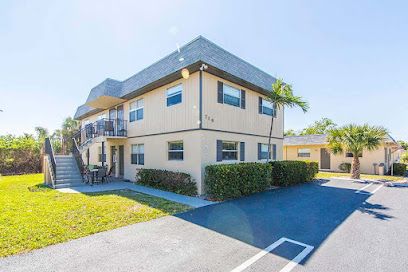
Lighthouse Recovery Institute
Boynton Beach, FL
- PHP
- IOP
- MAT
- Sober Living
Substance use treatment · Cognitive behavioral therapy · Dialectical behavior therapy
Accepts: Cash or self-payment, Private health insurance, Sliding fee scale
Recreate Life Counseling Services
Boynton Beach, FL
- PHP
- IOP
- MAT
- Sober Living
Substance use treatment · Cognitive behavioral therapy · Dialectical behavior therapy
Accepts: Cash or self-payment, Private health insurance, Military families