

At a Glance
Location
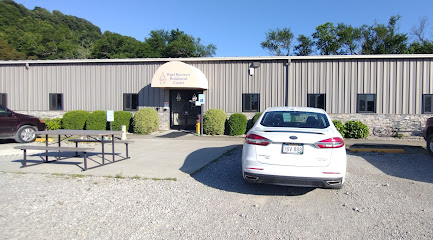
28407 State Route 7, Marietta, OH 45750
Phone
740-371-5476Primary Focus
Treatment Settings
Treatment Approaches
Special Programs
About Rigel Recovery Residential Services
Rigel Recovery Residential Services in Marietta, Ohio offers residential treatment and an outpatient program for men and women navigating substance use recovery, including those referred through the court system. With structured stays averaging 60 to 90 days, Rigel pairs Cognitive Behavioral Therapy with aftercare and peer support to keep residents connected well beyond their time in treatment.
Rigel Recovery Residential Services is a substance use treatment center located at 28407 State Route 7 in Marietta, Ohio — a community-embedded recovery center serving Washington County and the surrounding region. The facility operates around the clock, every day of the week, providing consistent access for people at any stage of the recovery process. For those searching for a recovery center that prioritizes longer-term engagement over quick-turnaround care, Rigel offers a deliberate, structured path built around residential treatment.
The center's two primary levels of care are residential treatment and an outpatient program, giving residents a continuum that can carry them from intensive, live-in support into a less restrictive outpatient setting. Residential stays average 60 to 90 days — a timeline long enough to address the patterns and behaviors that drive substance use, not just the immediate crisis. The outpatient program extends that work for individuals transitioning back into daily life or those who do not require a residential level of care to start.
Cognitive Behavioral Therapy forms the clinical backbone of treatment at Rigel. CBT is a structured, skills-focused approach that helps people identify how thought patterns contribute to substance use and develop practical strategies for lasting change. The center also addresses Trauma and PTSD as co-occurring conditions, recognizing that unresolved trauma frequently intersects with substance use disorders. Aftercare planning and peer support are built into the program to help alumni maintain their recovery after leaving residential or outpatient care.
Rigel Recovery serves men, women, and individuals entering treatment through court orders — a population that benefits significantly from the center's structured residential model and the accountability built into longer-term programming. Payment is accessible: Medicaid is accepted, and costs for those without coverage are determined through a sliding fee scale based on ability to pay. For families and individuals weighing recovery center options in southeastern Ohio, Rigel's combination of extended residential treatment, outpatient step-down, trauma-informed CBT, and peer support aftercare represents a well-rounded commitment to sustained recovery.
Residential Treatment Built for Long-Term Recovery
Rigel Recovery Residential Services structures its residential program around an average stay of 60 to 90 days — a timeframe that distinguishes it from shorter-stay facilities and reflects a deliberate commitment to meaningful, sustained change. For people in recovery who need more than a brief intervention, this extended residential treatment model allows time to build the skills, habits, and insight that support life beyond treatment.
The 24-hour, seven-day-a-week operation means the center is available whenever a person is ready to begin. That consistency matters both for the individuals entering care and for the families supporting them. Residential treatment at Rigel is not a stopgap — it is a foundation for ongoing recovery.
From Residential Care to Outpatient Support: A Recovery Continuum
One of the practical advantages Rigel offers is the ability to move between levels of care within the same organization. After completing a residential stay, individuals can transition into the outpatient program, maintaining clinical support while resuming responsibilities at home, work, or in the community. This continuity reduces the gap that often appears between residential discharge and real-world recovery.
Aftercare and peer support further extend that continuum. Rather than ending the relationship at discharge, Rigel builds post-treatment support into the program — an element especially important for alumni navigating early recovery in the community.
Cognitive Behavioral Therapy and Trauma-Informed Treatment
Rigel uses Cognitive Behavioral Therapy as its primary clinical method. CBT equips people in recovery with concrete tools: the ability to recognize unhelpful thinking patterns, interrupt automatic responses, and build new behaviors over time. Because these are transferable skills, the work done in residential treatment carries forward into outpatient care and beyond.
The center also treats Trauma and PTSD alongside substance use disorders — an acknowledgment that for many people, the two are deeply connected. Addressing both within the same treatment setting reduces the need for individuals to navigate multiple providers or delay trauma treatment until after substance use is resolved.
Who Rigel Recovery Serves — and How to Access Care
Rigel Recovery accepts men and women, including individuals entering treatment through court orders. The court-ordered population benefits from the center's structured residential model and the defined program length, which aligns well with the accountability requirements common in court-mandated recovery programs.
Financial access is a priority. Rigel accepts Medicaid, and for those without it, costs are determined on a sliding fee scale based on ability to pay. Located at 28407 State Route 7 in Marietta, Ohio, the center can be reached by email at [email protected] or through its website at rigelrecovery.org for anyone ready to take the next step toward residential or outpatient addiction treatment.
Why Choose Rigel Recovery Residential Services
- 60- to 90-day average residential stay supports deeper, longer-term recovery work rather than short-term stabilization
- Dual levels of care — residential treatment and outpatient program — create a step-down continuum within one organization
- Cognitive Behavioral Therapy combined with trauma and PTSD treatment addresses co-occurring conditions that often underlie substance use
- Aftercare planning and peer support are built into programming to sustain recovery after leaving residential care
- Accepts Medicaid and offers a sliding fee scale, making access to residential addiction treatment realistic for a wide range of financial situations
Frequently Asked Questions
What levels of care does Rigel Recovery offer?
Rigel Recovery offers two levels of care: residential treatment and an outpatient program. Residential treatment is designed for individuals who need structured, live-in support, while the outpatient program provides ongoing care for those stepping down from residential treatment or who need a less intensive level of support.
How long is the residential treatment program at Rigel Recovery?
The average residential stay at Rigel Recovery is 60 to 90 days. This extended timeframe is intentional — it gives residents enough time to work through the underlying patterns of substance use rather than simply stabilizing in the short term.
What therapy approach does Rigel Recovery use?
Rigel Recovery uses Cognitive Behavioral Therapy (CBT) as its primary clinical method. CBT is a structured approach focused on identifying and changing the thought patterns and behaviors that contribute to substance use, providing skills that remain useful well after treatment ends.
Does Rigel Recovery treat trauma alongside substance use?
Yes. Rigel Recovery treats Trauma and PTSD as conditions alongside substance use disorders. Recognizing that trauma and substance use are frequently interconnected, the center addresses both within the same treatment setting.
Who does Rigel Recovery serve?
Rigel Recovery serves men and women, including individuals who are court-ordered into treatment. The structured residential model and defined program length make it well-suited for those with court-mandated recovery requirements as well as anyone voluntarily seeking longer-term residential care.
What does Rigel Recovery cost, and does it accept Medicaid?
Rigel Recovery accepts Medicaid. For individuals without Medicaid coverage, costs are determined through a sliding fee scale based on ability to pay, making residential and outpatient treatment financially accessible to a broader range of people.
Does Rigel Recovery provide aftercare or peer support?
Yes. Aftercare and peer support are included as part of Rigel Recovery's programming. These services help individuals maintain their recovery after completing residential or outpatient treatment, bridging the gap between structured care and independent community living.
Is Rigel Recovery open around the clock?
Yes. Rigel Recovery operates 24 hours a day, seven days a week. This means the center is accessible every day of the year, which is important for both new admissions and ongoing residential care.
Where is Rigel Recovery located?
Rigel Recovery Residential Services is located at 28407 State Route 7 in Marietta, Ohio 45750, in Washington County. The center can be contacted by email at [email protected] or through the facility website at rigelrecovery.org.
How does the outpatient program fit into the recovery continuum at Rigel?
The outpatient program at Rigel Recovery is designed to support individuals transitioning out of residential treatment or those who do not require a residential level of care. It allows people to continue receiving structured treatment while reintegrating into daily responsibilities, maintaining clinical continuity within the same organization.
Nearby Treatment Centers

Rigel Recovery Services
Marietta, OH
- Detox
- IOP
- MAT
Substance use treatment · Cognitive behavioral therapy · Dialectical behavior therapy
Accepts: Cash or self-payment, Medicaid, State-financed health insurance plan other than Medicaid

L and P Services Inc
Marietta, OH
- IOP
- MAT
Substance use treatment · Accepts clients on opioid medication but prescribed elsewhere · Cognitive behavioral therapy
Accepts: Cash or self-payment, Medicaid, Medicare
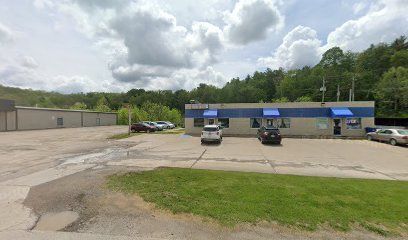
Noble Behavioral Health Choices Inc
Caldwell, OH
- Outpatient
Substance use treatment · Accepts clients on opioid medication but prescribed elsewhere · Cognitive behavioral therapy
Accepts: Cash or self-payment, Medicaid, Sliding fee scale
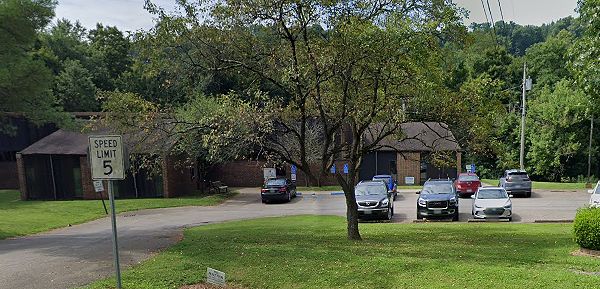
Morgan Behavioral Health Choices
McConnelsville, OH
- Outpatient
Substance use treatment · Accepts clients on opioid medication but prescribed elsewhere · Cognitive behavioral therapy
Accepts: Cash or self-payment, Medicaid, Sliding fee scale
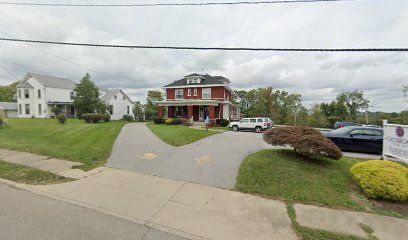
Crossroads Counseling Services Inc
Woodsfield, OH
- Outpatient
- Sober Living
Substance use treatment · Accepts clients on opioid medication but prescribed elsewhere · Cognitive behavioral therapy
Accepts: Cash or self-payment, Medicaid, Medicare

Health Recovery Services Inc Rural Womens Recovery Program
Athens, OH
- Detox
- Residential
- MAT
Substance use treatment · Accepts clients on opioid medication but prescribed elsewhere · Cognitive behavioral therapy
Accepts: Cash or self-payment, Medicaid, Medicare