

 1 / 2
1 / 2At a Glance
Location
25341 Highway 93, Challis, ID 83226
Phone
208-879-2267Primary Focus
Treatment Settings
Treatment Approaches
Special Programs
About Rainbows End Recovery Center LLC
Rainbows End Recovery Center LLC, located in Challis, Idaho, offers a full continuum of substance abuse treatment — from medical detox through residential treatment and outpatient programming — for both men and women. Founded in 2011, the center is staffed by credentialed clinicians and a licensed medical team committed to supporting recovery at every stage, including aftercare planning to help residents stay connected beyond discharge.
Rainbows End Recovery Center LLC sits along Highway 93 in Challis, Idaho, in the high desert of Custer County — a setting that places meaningful distance between residents and the environments that often fuel addiction. Open 24 hours a day, the center provides substance use treatment across multiple levels of care, making it a resource for individuals seeking a structured, longer-term recovery experience rather than a quick intervention. Since 2011, it has operated under the leadership of Founding Owner and Executive Director Nancy Del Colletti, BA, MA, alongside a credentialed clinical and medical team.
The center's continuum of care spans medical detox, residential treatment, an outpatient program, and an intensive outpatient program (IOP). This range means individuals can begin treatment at the level that matches their clinical needs and step down through progressively less intensive programming as their recovery stabilizes — a model designed to support sustained sobriety rather than addressing only the acute phase. Residential accommodations are arranged in separate residences for men and women, with double-occupancy rooms.
Clinical care at Rainbows End is grounded in Cognitive Behavioral Therapy (CBT) and addresses co-occurring disorders and dual diagnosis alongside substance use — recognizing that trauma and PTSD frequently intersect with addiction. The clinical team includes Chelsey Winkle, LCSW, CCTP, serving as Clinical Supervisor; J. Patrick O'Neal, PhD, LCPC, ACADC, as Facility Administrator; and Kevin Pettus, CCS, ACADC, as a primary counselor. Medical oversight is provided by Dr. Ron Ellsworth, MD, with medication management handled by Betty Hostetter, LPN. When residential treatment concludes, the center provides aftercare planning and assistance locating aftercare providers to help individuals maintain the progress built during treatment.
Rainbows End serves adult men and women, including those whose treatment may be covered through TRICARE, making it a meaningful option for military-connected individuals and veterans. The center also accepts private insurance and self-pay arrangements, with payment plans potentially available. For individuals and families evaluating a recovery center that can carry someone from the earliest stage of medical detox all the way through to aftercare connection, Rainbows End offers a coherent, supervised path through each phase.
A Full Continuum of Addiction Treatment in Rural Idaho
Rainbows End Recovery Center offers one of the more complete continuums of substance abuse treatment available in central Idaho. Starting with medical detox — supervised around the clock by a credentialed medical team that includes Medical Director Dr. Ron Ellsworth, MD, and LPN Betty Hostetter — individuals can move directly into residential treatment without having to change facilities or rebuild trust with a new care team. That continuity matters in early recovery, when consistency and stability are foundational.
From residential treatment, the pathway continues into an outpatient program and an intensive outpatient program (IOP), allowing residents to gradually increase independence while remaining connected to clinical support. The center's 24-hour operation means that medical and clinical staff are accessible at any point in the process, not just during standard business hours. For families evaluating long-term recovery options, this range of programming — available in a single location — reduces the logistical disruptions that can derail sustained sobriety.
Treating Co-Occurring Disorders and Trauma Alongside Addiction
Rainbows End formally addresses co-occurring disorders and dual diagnosis as part of its treatment model, along with trauma and PTSD — conditions that frequently underlie or complicate substance use. Clinical Supervisor Chelsey Winkle holds credentials as both a Licensed Clinical Social Worker and a Certified Clinical Trauma Professional (LCSW, CCTP), reflecting the center's investment in clinicians trained specifically in trauma-informed care. Cognitive Behavioral Therapy (CBT) forms the therapeutic backbone of the program, offering residents structured tools for recognizing and changing the thought patterns connected to addictive behavior.
Facility Administrator J. Patrick O'Neal brings a PhD, LCPC, and ACADC credentials to the leadership team, and counselor Kevin Pettus holds CCS and ACADC certifications — a depth of addiction-specific credentialing that goes beyond what many outpatient-only programs can offer. For individuals whose substance use is entangled with unresolved trauma or a mental health diagnosis, this clinical composition means those conditions are treated as part of recovery, not deferred to a later stage.
Aftercare Planning and Staying Connected After Treatment
Completing a residential or IOP program is not the end of the recovery process — it is the point at which the broader recovery community becomes most critical. Rainbows End recognizes this by building aftercare planning directly into its program. Before discharge, the team works with individuals to develop a concrete aftercare plan and provides assistance identifying aftercare providers, whether that means ongoing outpatient support, sober living options, or community-based recovery resources.
For family members who have watched a loved one cycle through treatment without a clear transition plan, this structured approach to what comes next offers a meaningful difference. Case Manager Kristy Armstrong, BS, supports this process alongside the clinical team, helping ensure that the work done during treatment connects to resources and relationships that can sustain recovery long after the residential phase ends.
Who Rainbows End Serves and How to Access Care
The center serves adult men and women, housing them in separate residences to maintain a focused and appropriately structured environment. TRICARE is among the accepted insurance carriers, which makes Rainbows End a relevant option for active-duty military personnel, veterans, and their families navigating addiction treatment — a population that frequently faces unique barriers to accessing appropriate substance abuse treatment. Private insurance and self-pay are also accepted, and the center notes that a payment plan may be possible for those who qualify.
Rainbows End Recovery Center can be reached directly at (208) 879-2267 or by email at [email protected]. The center is located at 25341 Highway 93, Challis, ID 83226, and operates 24 hours a day. For individuals or families ready to talk through treatment options, the team is accessible any time.
Why Choose Rainbows End Recovery Center LLC
- Full continuum from medical detox through IOP and aftercare planning — all under one roof in Challis, Idaho
- Dual diagnosis and trauma/PTSD treatment integrated into the recovery program, not offered as a separate add-on
- Separate residential housing for men and women with 24-hour staffing and a licensed medical director on the team
- TRICARE accepted, making the program accessible to veterans and military-connected individuals and families
- Aftercare planning and provider referrals built into the discharge process to support long-term recovery community connection
Frequently Asked Questions
What levels of care does Rainbows End Recovery Center offer?
Rainbows End provides a full continuum of substance abuse treatment that includes medical detox, residential treatment, an outpatient program, and an intensive outpatient program (IOP). This range allows individuals to begin at the appropriate level of clinical intensity and step down through programming as their recovery progresses. All levels of care are available at the same Challis, Idaho location.
Does Rainbows End treat co-occurring mental health conditions like trauma or PTSD?
Yes. The center formally treats co-occurring disorders and dual diagnosis, as well as trauma and PTSD, alongside substance use. Clinical Supervisor Chelsey Winkle holds credentials as a Licensed Clinical Social Worker and a Certified Clinical Trauma Professional, and Cognitive Behavioral Therapy (CBT) is a core part of the therapeutic approach used with residents.
Does Rainbows End accept TRICARE or private insurance?
Rainbows End accepts TRICARE, private insurance, and self-pay. The center also notes that a payment plan may be possible. Military-connected individuals and veterans whose care is covered through TRICARE are encouraged to reach out directly to discuss coverage and admissions.
Is Rainbows End only for men, or do they serve women as well?
The center serves both adult men and women. Residential accommodations are arranged in separate residences for each, with double-occupancy rooms, providing a structured and appropriately organized living environment throughout the treatment stay.
What happens after completing treatment at Rainbows End — is there aftercare support?
Aftercare planning is a built-in component of the program at Rainbows End. Before discharge, the team works with each individual to create an aftercare plan and provides direct assistance locating aftercare providers. This process is designed to bridge the gap between residential or IOP treatment and longer-term recovery community involvement.
Who leads the clinical and medical team at Rainbows End Recovery Center?
The center was founded by Nancy Del Colletti, BA, MA, who continues to serve as Executive Director. Medical oversight is provided by Medical Director Dr. Ron Ellsworth, MD, and medication management by Betty Hostetter, LPN. The clinical team includes Facility Administrator J. Patrick O'Neal, PhD, LCPC, ACADC; Clinical Supervisor Chelsey Winkle, LCSW, CCTP; and Counselor Kevin Pettus, CCS, ACADC.
How long has Rainbows End Recovery Center been operating?
Rainbows End Recovery Center was founded in 2011. The center has been providing substance use treatment in Challis, Idaho under the leadership of Founding Owner and Executive Director Nancy Del Colletti for over a decade.
Is Rainbows End open around the clock, or only during certain hours?
Rainbows End operates 24 hours a day. This means medical and clinical staff are available at any point during the treatment process, which is particularly relevant for individuals in medical detox or early residential treatment who may need access to care outside of standard business hours.
How can I contact Rainbows End Recovery Center to ask about admission?
You can reach Rainbows End Recovery Center by phone at (208) 879-2267 or by email at [email protected]. The center is located at 25341 Highway 93, Challis, ID 83226, and is open 24 hours a day for inquiries and admissions support.
Nearby Treatment Centers
Lemhi Valley Social Services Challis
Challis, ID
- IOP
Substance use treatment · Accepts clients on opioid medication but prescribed elsewhere · Cognitive behavioral therapy
Accepts: Cash or self-payment, Medicaid, Medicare
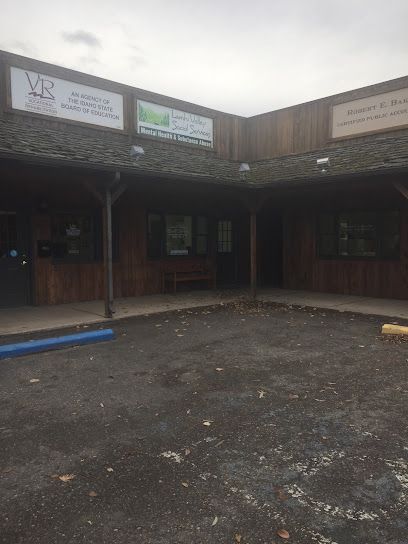
Lemhi Valley Social Services
Salmon, ID
- IOP
Substance use treatment · Accepts clients on opioid medication but prescribed elsewhere · Cognitive behavioral therapy
Accepts: Cash or self-payment, Medicaid, Medicare

KH Counseling and Health Center
Hailey, ID
- IOP
- MAT
Substance use treatment · Accepts clients on opioid medication but prescribed elsewhere · Cognitive behavioral therapy
Accepts: Cash or self-payment, Medicaid, Medicare
Change Clinic
Donnelly, ID
- IOP
- MAT
Substance use treatment · Accepts clients on opioid medication but prescribed elsewhere · Cognitive behavioral therapy
Accepts: Cash or self-payment, Medicaid, Medicare
Central Idaho Counseling
McCall, ID
- IOP
Substance use treatment · Accepts clients on opioid medication but prescribed elsewhere · Cognitive behavioral therapy
Accepts: Cash or self-payment, Medicaid, Medicare
Walker Center
Gooding, ID
- Detox
- Residential
- MAT
Substance use treatment · Accepts clients on opioid medication but prescribed elsewhere · Cognitive behavioral therapy
Accepts: Cash or self-payment, State-financed health insurance plan other than Medicaid, Private health insurance