


At a Glance
Location
7360 West Bethel Street, Boise, ID 83704
Phone
208-318-1620Primary Focus
Treatment Settings
Treatment Approaches
About Port of Hope Centers Inc
Port of Hope Centers Inc in Nampa, Idaho offers structured residential treatment, intensive outpatient programming, and social detoxification for adults navigating substance use and co-occurring disorders. Serving the Nampa and Boise recovery community, the center provides flexible program lengths and accepts Medicaid, making longer-term recovery support accessible to those who need it most.
Port of Hope Centers Inc is a substance use treatment facility located at 508 East Florida Avenue in Nampa, Idaho, within Canyon County. The center serves adults across the Nampa and Boise area who are looking for more than a short-term fix — offering a continuum of care that meets people at different stages of their recovery journey. Operating around the clock, Port of Hope is positioned as a steady resource for individuals and families weighing their options for sustained recovery.
The center's levels of care span social detoxification, intensive residential treatment, intensive outpatient programming (IOP), and a standard outpatient program. That range means someone can enter at the level that fits their current needs and step down through structured programming as their recovery stabilizes. The residential track is built around a primary 90-day stay, with 60- and 30-day options available based on an initial clinical assessment — a distinction that sets Port of Hope apart from facilities offering only fixed-length programs.
Cognitive Behavioral Therapy (CBT) is a confirmed part of the therapeutic framework at Port of Hope, giving clients structured tools to recognize and reshape the thought patterns connected to substance use. The center also addresses co-occurring disorders and dual diagnosis, recognizing that mental health and addiction rarely travel separately. Barry Hogan Meyers, CADC, CCS — a credentialed addiction counselor and clinical supervisor — leads the organization as President and CEO, bringing professional certification to the center's clinical direction.
Port of Hope Centers serves both men and women, and accepts Medicaid alongside self-pay and cash options, reducing a common financial barrier for people pursuing residential or outpatient care in the Treasure Valley. For individuals and families in the Nampa and Boise area who are ready to commit to a longer arc of recovery — not just stabilization — Port of Hope offers a structured, accessible entry point into the recovery community.
A Continuum of Care for the Nampa & Boise Recovery Community
Port of Hope Centers Inc offers one of the broader continuums of addiction treatment available in Canyon County, moving from social detoxification through intensive residential treatment and into outpatient and intensive outpatient programming. That structure matters for people who are thinking beyond the first week of sobriety — the ability to step down through levels of care within the same organization provides consistency during a period when consistency is everything.
The center operates 24 hours a day, reflecting its commitment to being available when someone is ready to take the next step. For families in the Nampa and Boise area researching recovery options, that accessibility — combined with Medicaid acceptance — means the conversation about long-term care doesn't have to stall on logistics.
Residential Treatment With Room for Individual Timelines
Not everyone entering intensive residential treatment is starting from the same place, and Port of Hope Centers reflects that reality in how it structures program length. The primary residential stay runs 90 days — a duration that addiction treatment research consistently associates with more durable recovery outcomes — but 60- and 30-day tracks are available based on the initial clinical assessment. That flexibility allows the treatment timeline to fit the person, rather than the other way around.
Cognitive Behavioral Therapy is woven into the residential program, providing clients with a structured framework for understanding the relationship between thought patterns, emotions, and substance use behaviors. For individuals managing co-occurring disorders alongside their substance use, that therapeutic grounding is particularly relevant — Port of Hope's dual diagnosis focus means mental health concerns are treated as part of the recovery picture, not as a separate issue to be handled elsewhere.
Outpatient & IOP: Recovery That Fits Around Real Life
For adults in Nampa and Boise who need structured support without a residential stay — or who are transitioning out of residential care — Port of Hope Centers offers both an outpatient program and an Intensive Outpatient Program (IOP). These levels of care allow people to continue building recovery skills while maintaining work, family, and community commitments.
The IOP is a meaningful middle ground for individuals who need more clinical contact than a standard outpatient program provides but are stable enough to live outside a residential setting. Taken together, the outpatient options at Port of Hope extend the center's reach into the longer arc of recovery, supporting people well past the initial treatment phase.
Addressing Co-Occurring Disorders in Substance Abuse Treatment
Co-occurring disorders — when a mental health condition accompanies a substance use disorder — are common, and treating one without addressing the other rarely leads to lasting recovery. Port of Hope Centers Inc explicitly includes dual diagnosis treatment within its programming, positioning itself as a resource for adults whose recovery needs span both substance use and mental health support.
This integrated approach, grounded in Cognitive Behavioral Therapy, reflects an understanding that sustainable sobriety often requires more than addressing substance use in isolation. For individuals and families in the Treasure Valley who have struggled to find treatment that accounts for the full picture, Port of Hope's dual diagnosis focus is a meaningful differentiator in the local recovery landscape.
Why Choose Port of Hope Centers Inc
- Flexible residential program lengths — 30, 60, or 90 days — determined by individual clinical assessment rather than a one-size approach
- A full continuum from social detoxification through intensive residential treatment and into outpatient programming, all under one organization
- Dual diagnosis treatment integrated into the recovery program, addressing co-occurring mental health conditions alongside substance use
- Medicaid accepted, broadening access to residential and outpatient care for people in the Nampa and Boise recovery community
- Led by Barry Hogan Meyers, CADC, CCS — a credentialed addiction counselor and clinical supervisor at the organizational helm
Frequently Asked Questions
What levels of care does Port of Hope Centers offer for addiction treatment?
Port of Hope Centers provides four levels of care: social detoxification, intensive residential treatment, an Intensive Outpatient Program (IOP), and a standard outpatient program. This continuum allows individuals to enter at the appropriate level of support and step down through programming as their recovery progresses. The center serves both Nampa and Boise area residents.
How long is the residential treatment program at Port of Hope Centers?
The primary residential stay at Port of Hope Centers is 90 days, with 60- and 30-day options also available. The appropriate program length is determined by a clinical assessment conducted when someone enters treatment. This flexibility allows the program to align with each person's specific circumstances rather than a fixed schedule.
Does Port of Hope Centers treat co-occurring mental health and substance use disorders?
Yes. Port of Hope Centers explicitly treats co-occurring disorders, also called dual diagnosis, as part of its addiction treatment programming. This means individuals dealing with both a substance use disorder and a mental health condition can receive integrated care within the same program, rather than having to seek separate treatment for each issue.
What therapy approaches are used at Port of Hope Centers?
Cognitive Behavioral Therapy (CBT) is a confirmed part of the therapeutic approach at Port of Hope Centers. CBT helps clients identify and change thought patterns that contribute to substance use, providing practical tools that support long-term recovery. The center's dual diagnosis focus means that therapeutic work also addresses co-occurring mental health conditions.
Who does Port of Hope Centers serve?
Port of Hope Centers serves adult men and women seeking substance use treatment and recovery support. The center is located in Nampa, Idaho, and its service area includes both Nampa and Boise. Programs are conducted in English.
What payment options are accepted at Port of Hope Centers?
Port of Hope Centers accepts Medicaid and self-pay or cash payment options. Medicaid acceptance is significant for individuals and families in the Nampa and Boise area who may otherwise face financial barriers to accessing residential or outpatient addiction treatment.
Is Port of Hope Centers open around the clock?
Yes, Port of Hope Centers operates 24 hours a day. That continuous availability means individuals and families don't have to wait for business hours to begin the conversation about treatment and recovery options.
What is social detoxification, and does Port of Hope Centers offer it?
Social detoxification is a non-medical approach to withdrawal support that relies on peer support, supervision, and structured monitoring rather than medication-based intervention. Port of Hope Centers lists social detoxification as one of its confirmed levels of care, making it an option for individuals beginning the recovery process at the center.
How is Port of Hope Centers' Intensive Outpatient Program (IOP) different from standard outpatient care?
An Intensive Outpatient Program provides more frequent clinical contact and structured programming than a standard outpatient program, while still allowing participants to live at home or in a community setting. Port of Hope Centers offers both IOP and standard outpatient programming, giving individuals in recovery the option to find the level of support that fits their current needs and life circumstances.
Who leads Port of Hope Centers?
Port of Hope Centers is led by Barry Hogan Meyers, CADC, CCS, who serves as President and CEO. His credentials — Certified Alcohol and Drug Counselor (CADC) and Clinical Supervisor (CCS) — reflect professional certification in addiction counseling and clinical oversight.
Nearby Treatment Centers
Ascent Behavioral Health Services
Boise, ID
- IOP
- MAT
Substance use treatment · Accepts clients on opioid medication but prescribed elsewhere · Cognitive behavioral therapy
Accepts: Cash or self-payment, Medicaid, State-financed health insurance plan other than Medicaid
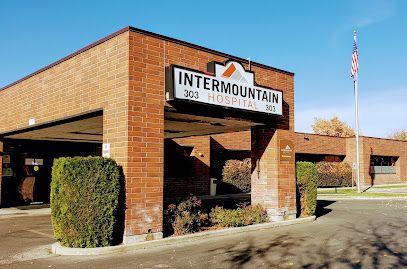
Intermountain Hospital of Boise
Boise, ID
- Detox
- MAT
Substance use treatment · Cognitive behavioral therapy · Substance abuse counseling
Accepts: Cash or self-payment, Medicaid, Medicare

Center for Behavioral Health Idaho Inc
Boise, ID
- Detox
- IOP
- MAT
Substance use treatment · SAMHSA-certified Opioid Treatment Program · Cognitive behavioral therapy
Accepts: Cash or self-payment, Medicaid, Medicare
All Seasons Mental Health
Boise, ID
- IOP
Substance use treatment · Does not use medication for opioid addiction · Accepts clients on opioid medication but prescribed elsewhere
Accepts: Cash or self-payment, Medicaid, Medicare
Ambitions of Idaho
Boise, ID
- Outpatient
Substance use treatment · Accepts clients on opioid medication but prescribed elsewhere · Cognitive behavioral therapy
Accepts: Cash or self-payment, Medicaid, Medicare
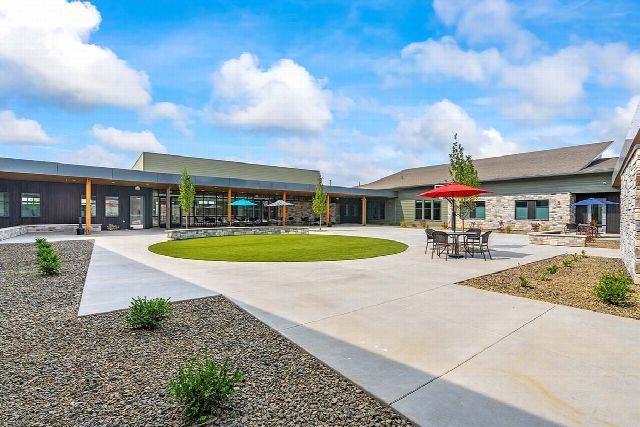
Ashwood Recovery Boise
Boise, ID
- PHP
- IOP
- MAT
Substance use treatment · Cognitive behavioral therapy · Dialectical behavior therapy
Accepts: Cash or self-payment, Medicaid, Medicare