


At a Glance
Location
638 California Avenue SW, Camden, AR 71701
Phone
870-836-1289Primary Focus
Treatment Settings
Treatment Approaches
About Ouachita Medical Center Chemical Dependency Unit
Ouachita Medical Center Chemical Dependency Unit provides hospital-based addiction treatment in Camden, Arkansas, serving adults and seniors since 1985. This CARF-accredited recovery center offers a comprehensive residential treatment program with family therapy and aftercare support for long-term recovery success.
Ouachita Medical Center Chemical Dependency Unit operates as a specialized hospital-based addiction treatment facility in Camden, Arkansas, providing comprehensive substance abuse treatment for adults seeking residential recovery services. Established in 1985, this recovery center maintains CARF accreditation and serves the Camden community with 24-hour care in a 23-bed facility designed for serious recovery commitment.
The residential treatment program combines individual therapy, group therapy, family therapy, and educational therapy to address chemical dependency through multiple therapeutic approaches. This comprehensive outpatient program foundation allows residents to build lasting recovery skills while maintaining family connections throughout treatment. The facility's hospital setting provides medical oversight for clients transitioning from detox into sustained recovery work.
Treatment philosophy centers on multi-modal therapy delivery, incorporating family members as active participants in the recovery process. Educational therapy components help clients understand addiction patterns while group sessions build peer support networks essential for long-term sobriety. Individual sessions address personal recovery challenges specific to each client's circumstances and history.
Serving adults, men, women, and senior citizens, the program accepts TRICARE insurance along with cash payment and financing options. The recovery community includes comprehensive aftercare support to maintain sobriety connections beyond residential treatment completion. ASL interpretation services ensure accessibility for deaf and hard-of-hearing individuals seeking addiction treatment in Arkansas.
Residential Treatment and Recovery Community
The 23-bed residential treatment facility operates within Ouachita Medical Center's hospital setting, providing around-the-clock care for adults committed to overcoming chemical dependency. This recovery center combines medical oversight with therapeutic programming designed for sustained sobriety beyond initial treatment completion.
Recovery community building occurs through structured group therapy sessions where residents connect with peers facing similar challenges. The program's educational therapy component helps participants understand addiction patterns while developing practical skills for maintaining long-term recovery in their home communities.
Family Therapy and Aftercare Support
Family therapy sessions involve loved ones as active participants in the recovery process, recognizing that addiction affects entire family systems. These sessions address family dynamics, communication patterns, and support strategies essential for successful long-term recovery outcomes.
Comprehensive aftercare support ensures continuity of care following residential treatment completion. The program maintains connections with alumni and provides ongoing resources to support sustained sobriety within the broader Camden recovery community.
Therapeutic Approach and Treatment Methods
The treatment program integrates individual therapy, group therapy, family therapy, and educational therapy to address chemical dependency from multiple angles. Individual sessions focus on personal recovery challenges while group work builds peer support networks crucial for long-term success.
Educational therapy components provide clients with scientific understanding of addiction processes and practical tools for maintaining sobriety. This multi-modal approach prepares residents for successful transition back to their communities with strengthened coping mechanisms and support systems.
Accessibility and Payment Options
ASL interpretation services ensure that deaf and hard-of-hearing individuals have full access to all therapeutic programming and recovery community activities. This commitment to accessibility extends the facility's reach within Arkansas's addiction treatment landscape.
TRICARE insurance coverage along with cash payment and financing options make residential treatment accessible to military families and civilians alike. The facility's payment flexibility supports the recovery community's diverse financial circumstances and insurance situations.
Why Choose Ouachita Medical Center Chemical Dependency Unit
- Hospital-based residential treatment with medical oversight and 24-hour care availability
- CARF accreditation ensuring quality standards for long-term recovery outcomes
- Comprehensive family therapy integration throughout the residential treatment process
- Dedicated aftercare support maintaining recovery community connections post-treatment
- ASL interpretation services providing accessible addiction treatment for deaf community members
Frequently Asked Questions
What type of addiction treatment does Ouachita Medical Center Chemical Dependency Unit provide?
The facility provides hospital-based residential treatment for chemical dependency, combining individual therapy, group therapy, family therapy, and educational therapy. The program operates 24 hours daily with medical oversight in a 23-bed setting.
Does the recovery center offer aftercare support following residential treatment?
Yes, comprehensive aftercare support is available to maintain recovery community connections after completing the residential program. This ongoing support helps ensure long-term recovery success and continued sobriety.
What populations does this addiction treatment facility serve?
The recovery center serves adults, men, women, and senior citizens seeking residential treatment for chemical dependency. ASL interpretation services are available for deaf and hard-of-hearing individuals requiring addiction treatment.
Is family therapy included in the residential treatment program?
Family therapy is a core component of the treatment approach, involving loved ones as active participants in the recovery process. These sessions address family dynamics and develop support strategies essential for successful long-term recovery.
What insurance and payment options are accepted for addiction treatment?
The facility accepts TRICARE insurance along with cash or self-payment options. Financing arrangements are also available to make residential treatment accessible to individuals with varying financial circumstances.
How long has Ouachita Medical Center Chemical Dependency Unit been providing addiction treatment?
The recovery center has been serving the Camden community since 1985, providing decades of experience in residential addiction treatment. The facility maintains CARF accreditation ensuring quality standards for recovery programming.
What makes this recovery center different from other addiction treatment facilities?
The hospital-based setting provides medical oversight combined with comprehensive therapeutic programming and strong family involvement. CARF accreditation, ASL accessibility services, and dedicated aftercare support distinguish this recovery community.
What therapeutic methods are used in the residential treatment program?
Treatment combines individual therapy for personal recovery challenges, group therapy for peer support building, family therapy for system healing, and educational therapy for addiction understanding. This multi-modal approach addresses chemical dependency comprehensively.
Nearby Treatment Centers
South Arkansas Regional Health Ctr Ouachita County Div/Camden
Camden, AR
- PHP
- IOP
- MAT
Substance use treatment · Accepts clients on opioid medication but prescribed elsewhere · Cognitive behavioral therapy
Accepts: Cash or self-payment, Medicaid, Medicare
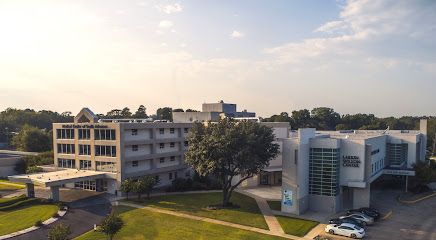
Medical Withdrawal at Medical Ctr of South Arkansas
El Dorado, AR
- Detox
- MAT
Smoking not permitted · Hospital inpatient · General Hospital (including VA hospital)
Accepts: Cash or self-payment, Medicaid, Medicare

AppleGate Recovery of El Dorado
El Dorado, AR
- Detox
- Outpatient
- MAT
Substance use treatment · Cognitive behavioral therapy · Dialectical behavior therapy
Accepts: Cash or self-payment, Active duty military, Military families
Pointe Outpatient Behavioral Health
Fordyce, AR
- Outpatient
Substance use treatment · Does not treat opioid addiction · Cognitive behavioral therapy
Accepts: Cash or self-payment, Medicaid, Private health insurance
South Arkansas Regional Health Ctr
Magnolia, AR
- PHP
- IOP
- MAT
Substance use treatment · Accepts clients on opioid medication but prescribed elsewhere · Cognitive behavioral therapy
Accepts: Cash or self-payment, Medicaid, Medicare
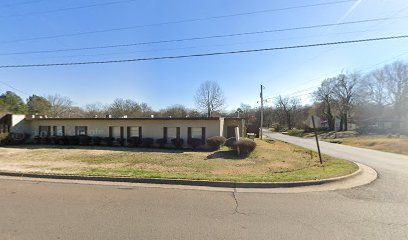
Southwest Arkansas Counseling and Mental Health Center
Hope, AR
- IOP
- MAT
Substance use treatment · Accepts clients on opioid medication but prescribed elsewhere · Cognitive behavioral therapy
Accepts: Cash or self-payment, Medicaid, State-financed health insurance plan other than Medicaid