

At a Glance
Location
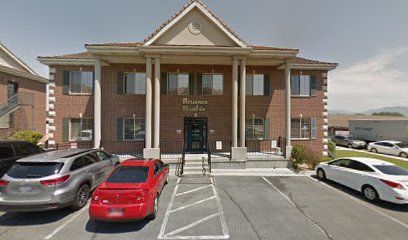
2450 East Fort Union Boulevard, Salt Lake City, UT 84121
Phone
801-669-5888Primary Focus
Treatment Settings
Treatment Approaches
Special Programs
About New Roads Behavioral Health
New Roads Behavioral Health in Provo, Utah offers residential treatment, intensive outpatient, and outpatient programs for adults navigating substance use and co-occurring mental health conditions. With specialized programming for veterans, young adults, and court-ordered individuals, the center is structured to support longer-term recovery alongside complex dual diagnosis needs.
New Roads Behavioral Health is a residential addiction treatment and mental health center located at 1530 South 500 West in Provo, Utah — serving Utah County and the broader Wasatch Front region. The facility brings together substance use disorder treatment and psychiatric care under one roof, making it a distinct option for people whose recovery intersects with conditions like PTSD, bipolar disorder, anxiety, or borderline personality disorder. The center describes its mission as fostering recovery and personal growth through innovative treatment programs for both mental health and substance use disorders.
New Roads offers three levels of care: residential treatment, an intensive outpatient program (IOP), and a standard outpatient program. This continuum allows clients to step down through increasing independence while staying connected to clinical support — a structure that aligns with the longer recovery arc rather than a single acute episode. For those finishing residential treatment, the center also provides a transitional living program as part of its aftercare support, helping bridge the gap between structured care and independent sober living.
The clinical framework at New Roads is grounded in Cognitive Behavioral Therapy (CBT) and Prolonged Exposure Therapy — the latter a research-supported approach particularly relevant for clients dealing with trauma and PTSD. The center holds a certification in Collaborative Assessment and Management of Suicidality (CAMS), signaling a specialized clinical competency for clients presenting with suicidal ideation alongside substance use. This dual-focus approach to co-occurring disorders is central to how New Roads positions its treatment model.
New Roads specifically serves veterans, young adults ages 18 to 25, men, women, and court-ordered individuals — a population mix that reflects the center's capacity to manage complex clinical and legal circumstances. TRICARE is accepted alongside private insurance, state insurance, and self-pay, making the program accessible to military families and veterans seeking a recovery community that understands their specific needs. For anyone evaluating a long-term recovery partner rather than a short-term stabilization stop, New Roads offers a structured path from residential care through transitional living.
Dual Diagnosis Treatment at the Core of Recovery
At New Roads Behavioral Health, dual diagnosis treatment is not an add-on — it is the organizing principle of the entire recovery model. The center treats conditions including borderline personality disorder, bipolar disorder, schizophrenia, PTSD, anxiety, panic disorder, obsessive-compulsive disorder, autism spectrum disorder, and suicidal ideation alongside substance use disorders. For people in recovery whose mental health history has complicated previous treatment attempts, this integrated approach addresses both dimensions simultaneously rather than sequencing them.
The clinical team holds a CAMS certification — Collaborative Assessment and Management of Suicidality — a formal credentialing that signals a structured, evidence-informed protocol for clients presenting with suicidal ideation. This is a distinguishing clinical detail that sets New Roads apart from general substance abuse treatment programs that may not have dedicated protocols for this population.
From Residential Treatment to Transitional Living: A Full Recovery Continuum
New Roads Behavioral Health offers a full continuum that carries clients from residential treatment through intensive outpatient programming and into a transitional living program — a structure designed for the longer arc of recovery, not just acute stabilization. Residential treatment provides the most intensive level of clinical support, while the IOP and outpatient program allow clients to gradually reintegrate into daily life without losing access to therapeutic structure.
The transitional living program serves as aftercare and a bridge to sober living, offering a middle ground between residential care and fully independent recovery. For young adults, veterans, or anyone whose support network may be limited after discharge, this continuity of care can be a meaningful factor when choosing a long-term recovery partner.
Who New Roads Serves: Veterans, Young Adults, and More
New Roads Behavioral Health has built its programs to serve specific populations: veterans, young adults ages 18 to 25, men, women, and court-ordered individuals. The acceptance of TRICARE alongside private insurance and state insurance reflects a genuine infrastructure for serving military families and veterans — not simply a billing checkbox. For veterans managing PTSD, trauma, or co-occurring mental health conditions alongside substance use, this specialization matters in both clinical and practical terms.
Young adults make up a distinct population within the center's residential and outpatient programs. The Pathways Program, described on the center's own website as a men's treatment program, includes residential facility access and recreation as part of the treatment structure. Court-ordered referrals are also accommodated, underscoring the center's capacity to work with individuals entering treatment through legal channels as well as those who self-refer.
Therapy Approaches: CBT and Prolonged Exposure Therapy
Two specific therapeutic methods anchor the clinical work at New Roads: Cognitive Behavioral Therapy (CBT) and Prolonged Exposure Therapy. CBT is a widely used framework in addiction treatment and mental health care that focuses on identifying and shifting thought patterns connected to substance use and emotional dysregulation. Its inclusion across the residential and outpatient programs creates consistency as clients move through levels of care.
Prolonged Exposure Therapy is a targeted intervention for PTSD and trauma — particularly relevant given New Roads's veteran population and its dual diagnosis focus on trauma and co-occurring disorders. The use of this modality reflects a clinical specificity that goes beyond general talk therapy, and it supports the center's positioning as a treatment program equipped for clients with complex trauma histories alongside substance use disorders.
Why Choose New Roads Behavioral Health
- CAMS-certified for suicidality — one of few rehabs with formal clinical credentialing in Collaborative Assessment and Management of Suicidality alongside substance use treatment
- Dedicated transitional living program bridges the gap between residential treatment and independent sober living
- Accepts TRICARE, making the center a recovery option specifically built for veterans and active-duty military families
- Prolonged Exposure Therapy offered alongside CBT — a clinically specific approach for trauma and PTSD as part of dual diagnosis treatment
- Serves court-ordered individuals alongside self-referred adults, reflecting a clinical team experienced with complex admissions and diverse recovery populations
Frequently Asked Questions
What levels of care does New Roads Behavioral Health offer for addiction treatment?
New Roads offers three levels of care: residential treatment, an intensive outpatient program (IOP), and an outpatient program. This continuum supports clients at different stages of recovery, from those who need around-the-clock structure in residential treatment to those stepping down into outpatient care while rebuilding daily routines.
Does New Roads Behavioral Health offer transitional living or aftercare support?
Yes. New Roads provides a transitional living program as part of its aftercare support. This program is designed to support clients moving out of residential treatment and into more independent living, serving as a bridge between structured care and sober living in the community.
Does New Roads treat co-occurring mental health and substance use disorders?
Dual diagnosis treatment is a central focus at New Roads Behavioral Health. The center treats a wide range of co-occurring conditions alongside substance use disorders, including PTSD, bipolar disorder, borderline personality disorder, anxiety, OCD, schizophrenia, and suicidal ideation. Clients with complex mental health histories are a core part of the population New Roads serves.
Does New Roads Behavioral Health accept veterans and TRICARE insurance?
Yes. New Roads accepts TRICARE and specifically lists veterans as one of the populations it serves. The center's use of Prolonged Exposure Therapy and its PTSD treatment focus make it a clinically relevant option for veterans managing trauma alongside substance use or mental health conditions.
What insurance and payment options does New Roads accept?
New Roads Behavioral Health accepts private insurance, TRICARE, state insurance, and self-pay or cash payments. Prospective clients should contact the center directly at (888) 358-8998 to confirm whether their specific plan is accepted.
What therapeutic methods are used in New Roads's addiction and mental health programs?
New Roads uses Cognitive Behavioral Therapy (CBT) and Prolonged Exposure Therapy as confirmed therapeutic methods. CBT supports clients in identifying and changing thought patterns tied to substance use and emotional dysregulation, while Prolonged Exposure Therapy is a structured approach for trauma and PTSD — relevant for veterans and others with trauma histories.
Is New Roads Behavioral Health equipped to work with clients who have experienced suicidal ideation?
Yes. New Roads holds a CAMS certification — Collaborative Assessment and Management of Suicidality — which is a structured clinical protocol for assessing and managing suicidal ideation. This certification reflects a specialized competency that goes beyond standard mental health training and is particularly relevant for clients in dual diagnosis recovery.
Does New Roads accept court-ordered clients?
Yes. Court-ordered individuals are listed among the populations New Roads Behavioral Health serves. The center is equipped to work with clients entering treatment through legal referrals across its residential, IOP, and outpatient programs.
Does New Roads Behavioral Health have specific programs for young adults?
Yes. Young adults ages 18 to 25 are a defined population at New Roads. The center's residential and outpatient programs include this age group, and the Pathways Program is a men's treatment program that includes residential care — relevant for young men navigating substance use and co-occurring mental health conditions.
Where is New Roads Behavioral Health located and how can I reach them?
New Roads Behavioral Health is located at 1530 South 500 West, Provo, Utah 84601, in Utah County. The center can be reached by phone at (888) 358-8998 or by email at [email protected]. Admissions staff are available seven days a week from 9:00 AM to 5:00 PM.
Nearby Treatment Centers

Pinnacle Recovery Residential Center
Holladay, UT
- Detox
- Residential
- PHP
- Outpatient
Substance use treatment · Accepts clients on opioid medication but prescribed elsewhere · Cognitive behavioral therapy
Accepts: Cash or self-payment, Private health insurance, Military insurance
Sober Living Willowcreek
Sandy, UT
- Detox
- Residential
- PHP
- IOP
Substance use treatment · Accepts clients on opioid medication but prescribed elsewhere · Cognitive behavioral therapy
Accepts: Cash or self-payment, Medicaid, Private health insurance
Sandy Counseling Center DBA Humanistic Counseling
Sandy, UT
- IOP
Substance use treatment · Does not treat opioid addiction · Cognitive behavioral therapy
Accepts: Cash or self-payment, Medicaid, Medicare
TLCpo LLC
Midvale, UT
- IOP
Substance use treatment · Accepts clients on opioid medication but prescribed elsewhere · Cognitive behavioral therapy
Accepts: Cash or self-payment, Private health insurance
Wasatch Recovery
Salt Lake City, UT
- Detox
- Residential
- MAT
Substance use treatment · Cognitive behavioral therapy · Dialectical behavior therapy
Accepts: Cash or self-payment, Private health insurance
Smart Medical
Midvale, UT
- Detox
- PHP
- IOP
- MAT
Substance use treatment · Accepts clients on opioid medication but prescribed elsewhere · Cognitive behavioral therapy
Accepts: Cash or self-payment, Medicaid, Private health insurance