

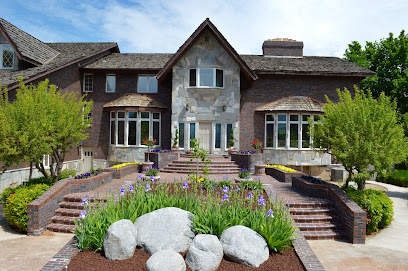
At a Glance
Location
727 East 1100 South, Mapleton, UT 84664
Phone
801-489-9871Primary Focus
Treatment Settings
Treatment Approaches
Special Programs
About Maple Mountain Recovery
Maple Mountain Recovery is a residential mental health and addiction treatment center in Mapleton, Utah, offering residential treatment and a Partial Hospitalization Program for adults navigating substance use and co-occurring mental health conditions. With a small-capacity setting of 16 beds and an alumni program supporting long-term recovery, the center is built for people who are serious about sustained sobriety and lasting wellness.
Maple Mountain Recovery operates as a residential mental health and addiction treatment center at 727 E 1100 S St in Mapleton, Utah, serving individuals who are ready to commit to structured, longer-term recovery. The facility runs 24 hours a day and maintains a deliberately small census of 16 residents, which shapes the type of attention and continuity that defines the experience there. For those weighing recovery centers across Utah County, the setting and scope reflect a center oriented around depth of care rather than volume.
The center offers two primary levels of care: Residential Treatment and a Partial Hospitalization Program (PHP). Residential treatment provides an immersive, live-in structure for people in the earlier and more intensive phases of their recovery, while the PHP offers a step-down or alternative option for those who need substantial clinical support without full-time residency. Both tracks address substance use disorders alongside co-occurring mental health conditions, making Maple Mountain Recovery relevant to people whose recovery journey involves more than addiction alone.
The clinical and therapeutic framework at Maple Mountain Recovery draws on a range of established and emerging methods. The treatment team uses CBT, DBT, and EMDR alongside therapies like Accelerated Resolution Therapy, Ketamine Therapy, TMS, Neurofeedback, and Equine-Assisted Therapy. Music therapy and functional medicine round out the program. On the amenity side, the facility includes a gym, cold plunge therapy, a jacuzzi, and a bio sound lounge — features that reflect an attention to physical recovery alongside clinical work. The medical director holds dual doctoral credentials along with advanced psychiatric nursing board certification, and the clinical director is a licensed clinical social worker.
Maple Mountain Recovery treats a wide range of substance use and mental health conditions, including alcohol, opiates, benzodiazepines, cocaine, amphetamine, heroin, hallucinogens, barbiturates, and Adderall dependence, as well as trauma, PTSD, anxiety, depression, ADHD, bipolar disorder, OCD, and self-harm. For families and individuals looking for a recovery community with post-treatment continuity, the center maintains an alumni program to support people after they leave residential or PHP care. Most major insurance is accepted, and the admissions team assists with insurance verification and benefit reviews. CareCredit and payment plans are also available.
Residential Treatment and PHP: Two Paths Into Long-Term Recovery
Maple Mountain Recovery structures its addiction treatment program around two levels of care: Residential Treatment and a Partial Hospitalization Program. Residential treatment places people inside a fully supported environment where the clinical work, peer community, and daily structure all operate together — an arrangement that suits people at the more intensive stages of recovery who benefit from stepping away from the environments that reinforced their substance use.
The Partial Hospitalization Program serves a different but equally important function. It delivers a high level of clinical contact for people who don't require round-the-clock residential placement, or for those transitioning out of residential treatment and stepping down into a less intensive phase of their recovery. Together, these two levels of care give the center flexibility to meet people where they are in their recovery journey rather than routing everyone through a single program structure.
A Treatment Approach Built Around Co-Occurring Conditions
Substance use rarely travels alone, and Maple Mountain Recovery's treatment model reflects that reality. The center treats a broad range of mental health conditions alongside addiction — including trauma, PTSD, anxiety, depression, ADHD, bipolar disorder, OCD, and self-harm — within the same residential and PHP framework. This dual-focus structure matters for people whose recovery is complicated by underlying psychiatric conditions that have often gone unaddressed in standard addiction treatment settings.
The therapeutic methods in use at Maple Mountain Recovery span both well-established clinical approaches and newer neurological and somatic therapies. CBT and DBT anchor the cognitive and behavioral work. EMDR and Accelerated Resolution Therapy address trauma at a deeper level. TMS, Neurofeedback, and Ketamine Therapy represent neurologically oriented options that are less common in typical rehab settings. Equine-Assisted Therapy, music therapy, and functional medicine extend the treatment framework into experiential and physical dimensions of recovery.
Aftercare, Alumni Support, and Life After Treatment
For Sober Nation's audience — people planning for recovery that lasts beyond a 30-day stay — one of the meaningful questions about any treatment center is what happens after discharge. Maple Mountain Recovery maintains an alumni program, which provides a structured point of connection for people who have completed residential or PHP treatment and are moving into independent recovery. Alumni networks matter in long-term sobriety; they create peer accountability and a community reference point when the challenges of daily life in recovery emerge.
The center's 24-hour operating schedule and small 16-bed residential capacity are also relevant to people thinking past the acute phase of treatment. A smaller program means fewer residents moving through at any given time, which tends to shape the nature of the peer community that forms — something that can carry real weight in aftercare and beyond.
Insurance, Payment Options, and Getting Started
Maple Mountain Recovery accepts most major insurance and offers CareCredit as an alternative financing option for those whose coverage is limited or absent. Payment plans are available, and the admissions team assists prospective residents and their families with insurance verification and benefit reviews — a step that helps clarify actual out-of-pocket costs before a commitment is made.
The center can be reached by phone at (385) 332-8836 or by email at [email protected]. Located at 727 E 1100 S St in Mapleton, Utah, the facility is positioned in Utah County for families and individuals across the region who are evaluating residential addiction treatment and PHP options.
Why Choose Maple Mountain Recovery
- Small 16-bed residential capacity designed for deeper clinical engagement and continuity throughout the recovery process
- Dual-track programming — Residential Treatment and Partial Hospitalization — supports both intensive recovery and step-down care in one facility
- Broad therapeutic menu including EMDR, Ketamine Therapy, TMS, Neurofeedback, and Equine-Assisted Therapy alongside foundational methods like CBT and DBT
- Treats substance use disorders and co-occurring mental health conditions together, including trauma, PTSD, bipolar disorder, and OCD
- Alumni program provides ongoing recovery community connection after residential or PHP treatment ends
Frequently Asked Questions
What levels of care does Maple Mountain Recovery offer?
Maple Mountain Recovery offers two levels of care: Residential Treatment and a Partial Hospitalization Program (PHP). Residential treatment is a live-in program for people who need immersive, structured support, while PHP provides intensive clinical programming without full-time residency. Both levels address addiction and co-occurring mental health conditions.
Does Maple Mountain Recovery treat mental health conditions alongside addiction?
Yes. The center treats co-occurring mental health conditions including trauma, PTSD, anxiety, depression, ADHD, bipolar disorder, OCD, and self-harm within the same residential and PHP program structure. This dual-focus approach is a core part of how the center is designed.
What substances does Maple Mountain Recovery treat?
The center treats dependence and addiction involving alcohol, opiates, benzodiazepines, cocaine, amphetamine, heroin, hallucinogens, barbiturates, and Adderall, among others. Both residential and PHP tracks are available for people dealing with substance use disorders.
What therapeutic methods are used at Maple Mountain Recovery?
The clinical program draws on CBT, DBT, EMDR, Accelerated Resolution Therapy, Ketamine Therapy, TMS, Neurofeedback, Equine-Assisted Therapy, music therapy, and functional medicine. The combination of traditional clinical modalities and neurologically oriented therapies distinguishes the treatment model from more standard rehab settings.
Does Maple Mountain Recovery have an alumni program?
Yes. The center maintains an alumni program for people who have completed residential or PHP treatment. Alumni programs provide a community and accountability structure that supports long-term sobriety after discharge — something particularly relevant for people planning for recovery beyond the initial treatment phase.
How large is Maple Mountain Recovery's residential program?
The residential program has a capacity of 16 beds. The smaller census allows for a more cohesive peer community and more individualized engagement within the program structure.
What does the Partial Hospitalization Program (PHP) look like at Maple Mountain Recovery?
PHP at Maple Mountain Recovery provides a high level of clinical programming without requiring full-time residential placement. It serves people who need substantial treatment support but do not need or no longer need to live on-site. It can also function as a step-down level of care following residential treatment.
What insurance and payment options are accepted at Maple Mountain Recovery?
The center accepts most major insurance and also accepts CareCredit. Payment plans are available for those who need flexible financing options. The admissions team can assist with insurance verification and benefit reviews to help clarify coverage before admission.
Where is Maple Mountain Recovery located?
Maple Mountain Recovery is located at 727 E 1100 S St in Mapleton, Utah 84664, in Utah County. The facility operates 24 hours a day.
How can I contact Maple Mountain Recovery to learn more or begin the admissions process?
You can reach Maple Mountain Recovery by phone at (385) 332-8836 or by email at [email protected]. The center is open 24 hours, and the team can walk you through insurance verification, program options, and next steps for admission.
Nearby Treatment Centers
New Haven RTC
Spanish Fork, UT
- Detox
- Residential
Substance use treatment · Accepts clients on opioid medication but prescribed elsewhere · Cognitive behavioral therapy
Accepts: Cash or self-payment, State-financed health insurance plan other than Medicaid, Private health insurance
Life Balance
Spanish Fork, UT
- PHP
- IOP
- MAT
Substance use treatment · Accepts clients on opioid medication but prescribed elsewhere · Cognitive behavioral therapy
Accepts: Cash or self-payment, Medicaid, Private health insurance

Cedar Psychiatry
Springville, UT
- Detox
- Outpatient
- MAT
Substance use treatment · Cognitive behavioral therapy · Dialectical behavior therapy
Accepts: Cash or self-payment, Medicaid, Medicare
APS Spanish Fork
Spanish Fork, UT
- PHP
- IOP
Substance use treatment · Accepts clients on opioid medication but prescribed elsewhere · Cognitive behavioral therapy
Accepts: Cash or self-payment, Medicaid, Medicare
Building Beginnings Recovery
Spanish Fork, UT
- IOP
- Sober Living
Substance use treatment · Does not use medication for opioid addiction · Cognitive behavioral therapy
Accepts: Cash or self-payment, Medicaid, Private health insurance

Wasatch BH Special Servs District Foothill Residential Treatment Center
Spanish Fork, UT
- Detox
- Residential
- MAT
Substance use treatment · Accepts clients on opioid medication but prescribed elsewhere · Cognitive behavioral therapy
Accepts: Cash or self-payment, Medicaid, State-financed health insurance plan other than Medicaid