


At a Glance
Location
2277 West Frontage Road, Austin, IN 47102
Phone
812-413-3605Primary Focus
Treatment Settings
Treatment Approaches
Special Programs
About LifeSpring Austin Medical Center
LifeSpring Austin Medical Center, operating since 1964 in Austin, Indiana, provides outpatient and intensive outpatient substance abuse treatment to Scott County residents. The center accepts Medicaid, Medicare, TRICARE, private insurance, and offers a sliding fee scale so that cost is never a barrier to recovery. Cognitive Behavioral Therapy anchors its clinical approach, and the program specifically serves individuals who are Deaf or Hard of Hearing.
LifeSpring Austin Medical Center is a NCQA-accredited substance use treatment facility located at 2277 West Frontage Road in Austin, Indiana, a small city in Scott County that has faced significant challenges with addiction in recent years. Part of the broader LifeSpring Health Systems network, the center has been a fixture of behavioral health care in southern Indiana since 1964, offering a community-rooted alternative to facilities that prioritize volume over continuity of care. For people seeking ongoing recovery support rather than a short-term fix, this outpatient setting allows clients to remain connected to their families, jobs, and local support networks while receiving structured clinical treatment.
The center's levels of care include a standard Outpatient Program and an Intensive Outpatient Program (IOP). The IOP is designed for individuals who need more structured, frequent contact with clinicians than a standard outpatient schedule provides — making it a strong fit for people stepping down from residential treatment or those whose recovery requires a higher level of support without a full residential commitment. Both levels of care are delivered on a Monday-through-Friday schedule, with extended evening hours Monday through Thursday to accommodate working adults.
Cognitive Behavioral Therapy (CBT) is the confirmed clinical method used at LifeSpring Austin. CBT is a structured, skills-based approach that helps clients identify thought patterns that drive addictive behavior and develop practical strategies for long-term sobriety. This focus on building real-world coping skills aligns well with the goals of sustained recovery, where the work happens not just in sessions but in everyday life. The program is led by a senior leadership team that includes Beth Keeney, DrPH, MBA, as President and CEO, and Misty Gilbert, LCSW, ICOGS, as Executive Vice President and Chief Operating Officer — both credentialed professionals with significant behavioral health backgrounds.
LifeSpring Austin Medical Center explicitly serves individuals who are Deaf or Hard of Hearing, a population that is often underserved by mainstream addiction treatment programs. On the financial side, the center accepts Medicaid, Medicare, TRICARE, private insurance, self-pay, and state insurance, and operates a sliding fee scale based on family size and income. No one is turned away due to inability to pay — a policy that reflects the center's commitment to accessible, community-based recovery for all Scott County residents regardless of financial circumstances.
Outpatient Recovery Programs That Fit Your Life
LifeSpring Austin Medical Center offers two levels of outpatient substance abuse treatment designed to support people at different stages of their recovery journey. The standard Outpatient Program provides regular clinical contact while preserving the daily routines — work, family, community — that are often central to long-term sobriety. For those who need more intensive support, the Intensive Outpatient Program (IOP) delivers a higher frequency of structured sessions without requiring a residential stay.
The IOP is especially well-suited for individuals transitioning out of residential treatment who want to maintain therapeutic momentum, or for people whose substance abuse treatment needs exceed what weekly outpatient appointments can address. Both programs are scheduled Monday through Friday, with the center open until 6 PM on Monday through Thursday, giving working adults and caregivers a realistic path to consistent participation in their own recovery.
A CBT-Based Approach to Long-Term Sobriety
Cognitive Behavioral Therapy (CBT) is the clinical foundation of care at LifeSpring Austin Medical Center. Unlike approaches that focus primarily on crisis stabilization, CBT is oriented toward the long game — helping clients understand the thought patterns and behavioral triggers that sustain addictive cycles, and building the practical skills needed to interrupt them. That makes it a natural fit for people who are committed to sustained recovery rather than short-term stabilization.
The program is overseen by a credentialed leadership team, including President and CEO Beth Keeney, DrPH, MBA, and Executive Vice President and COO Misty Gilbert, LCSW, ICOGS. That level of senior clinical and administrative leadership reflects an organizational infrastructure built to support consistent, accountable care across its programs.
Accessible Addiction Treatment for All of Scott County
Financial barriers are one of the most common reasons people delay or avoid addiction treatment. LifeSpring Austin Medical Center addresses this directly: the center accepts Medicaid, Medicare, TRICARE, private insurance, state insurance, and self-pay, and operates a sliding fee scale tied to family size and income. The facility's explicit policy is that no one is turned away due to inability to pay — a meaningful commitment in a county that has experienced acute substance abuse challenges.
The center also serves individuals who are Deaf or Hard of Hearing, making it one of the few outpatient recovery programs in the region that actively accommodates this community. NCQA accreditation provides an additional layer of assurance that the center meets recognized standards for clinical quality and care management.
Why Choose LifeSpring Austin for Your Recovery?
Choosing an outpatient addiction treatment program is about more than finding a provider — it is about finding a recovery partner that will still be there six months from now. LifeSpring Austin Medical Center has been part of the Scott County community since 1964, a longevity that speaks to organizational stability and genuine community investment. Its NCQA accreditation, CBT-grounded clinical model, and inclusive approach to populations like the Deaf and Hard of Hearing community set it apart from facilities that offer a more generic outpatient experience.
For individuals and families navigating substance abuse treatment in southern Indiana, LifeSpring Austin offers a structured, clinically credentialed, and financially accessible option that keeps recovery rooted in real life. Whether you are beginning outpatient treatment or stepping down from a higher level of care, the center's IOP and outpatient programming provide a framework for recovery that is built to last.
Why Choose LifeSpring Austin Medical Center
- Serving the Austin, Indiana community since 1964 — one of the longest-standing behavioral health resources in Scott County
- Explicitly equipped to serve individuals who are Deaf or Hard of Hearing, a population frequently overlooked by standard addiction treatment programs
- NCQA accreditation signals a measurable commitment to clinical quality and accountability
- No one is turned away due to inability to pay — a sliding fee scale based on family size and income makes outpatient recovery genuinely accessible
- Intensive Outpatient Program (IOP) offers structured, higher-frequency care for people in active recovery without requiring residential placement
Frequently Asked Questions
What levels of care does LifeSpring Austin Medical Center offer?
LifeSpring Austin Medical Center offers two outpatient levels of care: a standard Outpatient Program and an Intensive Outpatient Program (IOP). The IOP provides more frequent, structured clinical contact and is well-suited for individuals stepping down from residential treatment or those who need more support than standard outpatient sessions provide. Both options allow clients to live at home while receiving structured substance abuse treatment.
Does LifeSpring Austin accept Medicaid or Medicare?
Yes. LifeSpring Austin Medical Center accepts both Medicaid and Medicare, along with TRICARE, private insurance, state insurance, and self-pay. A sliding fee scale based on family size and income is also available, and the center's policy is that no one is turned away due to inability to pay.
What therapeutic approach does LifeSpring Austin use?
The center uses Cognitive Behavioral Therapy (CBT) as its confirmed clinical method. CBT is a structured, skills-focused approach that helps people in recovery identify and change the thinking patterns that contribute to addictive behavior, making it a strong foundation for long-term sobriety rather than short-term stabilization.
Does LifeSpring Austin serve individuals who are Deaf or Hard of Hearing?
Yes. LifeSpring Austin Medical Center explicitly serves individuals who are Deaf or Hard of Hearing, making it one of the relatively few outpatient addiction treatment programs in the region to actively accommodate this population. This is a confirmed population specialty at the facility.
Is LifeSpring Austin Medical Center accredited?
Yes. LifeSpring Austin Medical Center holds NCQA (National Committee for Quality Assurance) accreditation. NCQA accreditation reflects adherence to recognized standards for clinical quality and care management in behavioral health settings.
What are the operating hours at LifeSpring Austin Medical Center?
The center is open Monday through Thursday from 8:30 AM to 6 PM and on Friday from 8:30 AM to 3 PM. The center is closed on Saturday and Sunday. The extended weekday evening hours are designed to accommodate individuals who work or have daytime responsibilities.
Is LifeSpring Austin Medical Center a good fit for someone stepping down from residential treatment?
The Intensive Outpatient Program (IOP) at LifeSpring Austin is a strong option for people transitioning out of residential treatment. It provides more frequent clinical contact than a standard outpatient program while allowing individuals to return home each day, which supports re-integration into family and community life — a critical phase of sustained recovery.
What if I cannot afford addiction treatment at LifeSpring Austin?
LifeSpring Austin Medical Center offers a sliding fee scale based on family size and income, and the center's stated policy is that no one is turned away due to inability to pay. Financial assistance and state insurance are also accepted payment options, making treatment accessible regardless of financial situation.
Who leads the clinical and administrative team at LifeSpring Austin Medical Center?
The center is led by Beth Keeney, DrPH, MBA, who serves as President and CEO, and Misty Gilbert, LCSW, ICOGS, who serves as Executive Vice President and Chief Operating Officer. Both bring formal clinical and administrative credentials to the organization's leadership.
How long has LifeSpring Austin Medical Center been providing addiction treatment?
LifeSpring Austin Medical Center has been part of the broader LifeSpring Health Systems organization since 1964, giving it more than six decades of history as a behavioral health provider in southern Indiana. That longevity reflects organizational stability and a sustained commitment to the Scott County community.
Nearby Treatment Centers
Centerstone of Indiana Inc Centerstone Austin
Austin, IN
- Outpatient
Substance use treatment · Accepts clients on opioid medication but prescribed elsewhere · Cognitive behavioral therapy
Accepts: Cash or self-payment, Medicaid, Medicare
Centerstone of Indiana Inc Centerstone Scottsburg
Scottsburg, IN
- Outpatient
- MAT
Substance use treatment · Cognitive behavioral therapy · Substance abuse counseling
Accepts: Cash or self-payment, Medicaid, Medicare
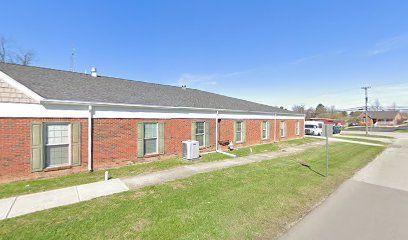
LifeSpring Inc DBA LifeSpring Health Systems
Scottsburg, IN
- Detox
- PHP
- Outpatient
Substance use treatment · Accepts clients on opioid medication but prescribed elsewhere · Cognitive behavioral therapy
Accepts: Cash or self-payment, Medicaid, Medicare
Centerstone of Indiana Inc CRC Lexington
Lexington, IN
- Residential
- MAT
Substance use treatment · Cognitive behavioral therapy · Dialectical behavior therapy
Accepts: Cash or self-payment, Medicaid, Medicare
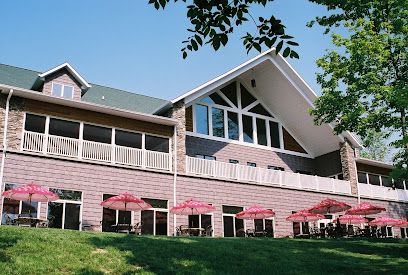
Wooded Glen Recovery Center
Henryville, IN
- Detox
- Residential
- MAT
Substance use treatment · Cognitive behavioral therapy · Dialectical behavior therapy
Accepts: Cash or self-payment, Medicaid, Private health insurance
Centerstone of Indiana Inc Centerstone Seymour
Seymour, IN
- Outpatient
- MAT
Substance use treatment · Cognitive behavioral therapy · Substance abuse counseling
Accepts: Cash or self-payment, Medicaid, Medicare