

 1 / 3
1 / 3At a Glance
Location
11719 NE 95th Street, Vancouver, WA 98682
Phone
360-984-5511Primary Focus
Treatment Settings
Treatment Approaches
Special Programs
About Lifeline Connections Orchards
Lifeline Connections is a CARF-accredited substance use and behavioral health treatment center in Vancouver, Washington, offering detoxification, outpatient, and intensive outpatient programs. Operating since 1962, they serve a broad range of people in recovery — including adolescents, young adults, and individuals with co-occurring disorders — with Cognitive Behavioral Therapy at the core of their clinical work.
Lifeline Connections has been a cornerstone of substance abuse treatment in Vancouver, Washington since 1962. Operating as a state-recognized substance use and behavioral and mental health treatment center, Lifeline holds CARF accreditation and accepts most insurance, making structured recovery support accessible to a wide cross-section of the Clark County community. Their NE 95th Street location in East Vancouver houses a clinical team working across multiple levels of care under one organizational roof.
The center provides three distinct levels of care: Detoxification, a standard Outpatient Program, and an Intensive Outpatient Program (IOP). This continuum allows individuals to step through increasingly independent phases of recovery without changing providers — beginning with detoxification if needed, then transitioning into an outpatient or IOP setting where the ongoing work of sustained recovery takes place. For people evaluating a longer-term recovery commitment, having that continuum within a single treatment organization matters.
Cognitive Behavioral Therapy (CBT) is the confirmed therapeutic method at Lifeline Connections, giving clients practical skills for identifying and changing the thought patterns that drive substance use. The center also addresses co-occurring disorders and dual diagnosis, recognizing that mental health and substance use often intersect in ways that require integrated treatment rather than separate siloed care. This dual-diagnosis capability is a meaningful differentiator for people whose recovery needs extend beyond addiction alone.
Lifeline Connections serves adolescents, young adults between 18 and 25, individuals who are Deaf or hard of hearing, and those entering treatment through court orders. Payment options include Medicaid, TRICARE, private insurance, state insurance, self-pay, and a sliding-scale fee structure for those who qualify — removing financial barriers that often delay people from starting addiction treatment. For families navigating recovery alongside a loved one, Lifeline's combination of accessible financing, diagnostic breadth, and a decades-long presence in the Vancouver, WA community positions it as a serious long-term recovery partner.
A Continuum of Addiction Treatment in Vancouver, WA
Lifeline Connections offers a structured path through recovery that starts, if needed, at detoxification and continues into outpatient and intensive outpatient programming. That internal continuum — detox to OP to IOP under the same organization — means clients don't have to rebuild trust with a new provider at each stage of their recovery. For people planning a longer-term commitment to sobriety, that consistency carries real weight.
The Intensive Outpatient Program (IOP) at Lifeline is designed for people who need more structured support than a standard outpatient schedule but want to remain in their home environment. This level of care is often where the practical work of lasting recovery happens — building routines, applying CBT skills in real-world settings, and maintaining accountability while re-integrating into daily life.
Who Lifeline Connections Serves
Lifeline Connections is one of the few substance abuse treatment programs in the Vancouver, WA area that explicitly serves Deaf and hard-of-hearing individuals — a population frequently underserved by mainstream addiction treatment. The center also provides programming for adolescents and young adults between 18 and 25, recognizing that early-stage recovery looks different than treatment for older adults.
Court-ordered clients are also accepted, and the organization's decades of operation in Clark County reflect a long-standing relationship with the regional legal and social service systems. For families whose loved one is entering treatment through a legal mandate, working with a CARF-accredited recovery center that understands that context can make early engagement in treatment more productive.
Dual Diagnosis Treatment and the CBT Framework
Many people seeking addiction treatment are also managing depression, anxiety, trauma, or other behavioral health conditions. Lifeline Connections addresses co-occurring disorders and dual diagnosis as part of its core clinical scope — not as an add-on. This integrated approach means both conditions are treated together, which research consistently shows produces better outcomes than treating substance use and mental health separately.
Cognitive Behavioral Therapy (CBT) is the clinical backbone of Lifeline's treatment model. CBT equips people with concrete tools to examine the thoughts and behaviors connected to substance use — skills that remain useful long after formal treatment ends. For individuals building a recovery community and planning for long-term sobriety, a CBT grounding offers a transferable framework for managing triggers and maintaining progress.
Payment Options and Accessibility at Lifeline Connections
Lifeline Connections accepts Medicaid, TRICARE, private insurance, and state insurance, and also accommodates self-pay clients. A sliding-scale fee structure is available for those who qualify, meaning cost is less likely to be a barrier to beginning or continuing substance abuse treatment. The center's own website notes it accepts most insurance, reflecting a deliberate effort to remain accessible across income levels.
Offices are open Monday through Friday, 8 AM to 5 PM. For anyone in the Vancouver, WA area weighing options for outpatient addiction treatment, the combination of CARF accreditation, flexible payment, and a confirmed continuum of care from detox through IOP makes Lifeline Connections a substantive option worth a direct conversation.
Why Choose Lifeline Connections Orchards
- Operating since 1962 — one of the longest-standing addiction treatment organizations in Clark County, WA
- Full continuum from detoxification through outpatient and IOP within a single provider organization
- Specialized services for Deaf and hard-of-hearing individuals — a rare population-specific accommodation in outpatient addiction treatment
- Integrated dual diagnosis treatment for co-occurring mental health and substance use disorders
- Sliding-scale fees alongside Medicaid, TRICARE, and private insurance — reducing financial barriers to ongoing recovery
Frequently Asked Questions
What levels of care does Lifeline Connections offer for addiction recovery?
Lifeline Connections provides three levels of care: Detoxification, a standard Outpatient Program, and an Intensive Outpatient Program (IOP). This continuum allows individuals to progress through structured phases of recovery within the same organization. It is a meaningful option for people planning a sustained recovery commitment rather than a single acute episode of care.
Does Lifeline Connections treat co-occurring mental health and substance use disorders?
Yes. Lifeline Connections is confirmed to treat co-occurring disorders and dual diagnosis. This means the center addresses both mental health conditions and substance use within its clinical programming, rather than referring clients elsewhere for one or the other.
What therapeutic approach does Lifeline Connections use?
Cognitive Behavioral Therapy (CBT) is the confirmed therapeutic method at Lifeline Connections. CBT helps clients identify and change the thought patterns and behaviors that contribute to substance use, building practical skills that support long-term sobriety beyond formal treatment.
Does Lifeline Connections accept Medicaid or TRICARE?
Yes. Lifeline Connections accepts Medicaid, TRICARE, private insurance, and state insurance. Self-pay is also an option, and a sliding-scale fee structure is available for those who qualify, making substance abuse treatment financially accessible to a broader range of people.
Does Lifeline Connections serve adolescents and young adults?
Yes. Lifeline Connections is confirmed to serve adolescents and young adults between the ages of 18 and 25. The center also serves court-ordered clients and individuals who are Deaf or hard of hearing, making it one of the more broadly accessible treatment providers in the Vancouver, WA area.
Is Lifeline Connections accredited?
Yes. Lifeline Connections holds CARF accreditation, which is one of the most recognized quality standards in addiction treatment and behavioral health. CARF accreditation signals that the organization has met independently evaluated benchmarks for care quality and organizational practices.
Where is Lifeline Connections located and what are the hours?
Lifeline Connections is located at 11719 NE 95th Street, Suites A and D, in Vancouver, Washington. The center is open Monday through Friday from 8 AM to 5 PM and is closed on weekends. You can reach them by phone at (360) 984-5511 or by email at [email protected].
Does Lifeline Connections provide services for Deaf or hard-of-hearing individuals?
Yes. Lifeline Connections is confirmed to serve individuals who are Deaf or hard of hearing. This is a population-specific accommodation that is uncommon among outpatient addiction treatment providers, making Lifeline a notable option for this community in Clark County, WA.
What is the difference between the Outpatient Program and the Intensive Outpatient Program at Lifeline Connections?
Both programs allow clients to live at home while receiving addiction treatment, but the Intensive Outpatient Program (IOP) provides a higher level of structured support and more frequent clinical contact than the standard Outpatient Program. The IOP is typically suited for people who need more accountability and therapeutic engagement as they build a stable recovery routine.
Nearby Treatment Centers
Sea Mar Behavioral Health SUD Programs
Vancouver, WA
- IOP
Substance use treatment · Does not treat opioid addiction · Substance abuse counseling
Accepts: Cash or self-payment, Medicaid, State-financed health insurance plan other than Medicaid

Recovery Village Ridgefield Detox Center
Vancouver, WA
- Detox
- Residential
- MAT
Cognitive behavioral therapy · Dialectical behavior therapy · Substance abuse counseling
Accepts: Cash or self-payment, Private health insurance
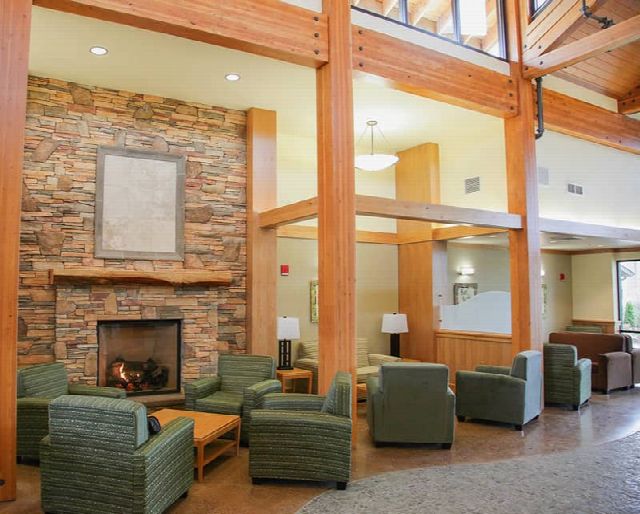
Serenity Lane Vancouver
Vancouver, WA
- IOP
Substance use treatment · Accepts clients on opioid medication but prescribed elsewhere · Cognitive behavioral therapy
Accepts: Cash or self-payment, Medicaid, Private health insurance
Western Psychological and Counseling
Vancouver, WA
- IOP
Substance use treatment · Accepts clients on opioid medication but prescribed elsewhere · Cognitive behavioral therapy
Accepts: Cash or self-payment, Private health insurance, Sliding fee scale
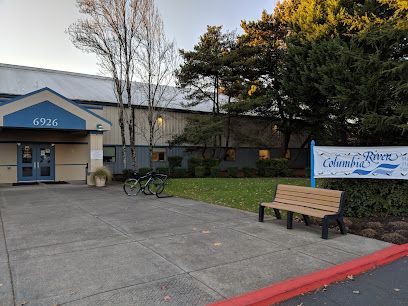
Columbia River Mental Health Services NorthStar
Vancouver, WA
- IOP
- MAT
Substance use treatment · All Clients in Opioid Treatment Program · SAMHSA-certified Opioid Treatment Program
Accepts: Cash or self-payment, Medicaid, State-financed health insurance plan other than Medicaid
Daybreak Youth Services Vancouver Outpatient
Vancouver, WA
- IOP
Substance use treatment · Accepts clients on opioid medication but prescribed elsewhere · Cognitive behavioral therapy
Accepts: Cash or self-payment, Medicaid, Medicare