

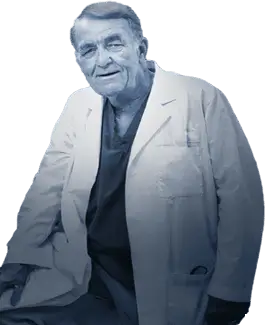
 1 / 3
1 / 3At a Glance
Location
2104 Maryland Avenue, Baltimore, MD 21218
Phone
(410) 752-6850Primary Focus
Treatment Settings
Treatment Approaches
Special Programs
About Institutes for Behavior Resources Inc REACH Health Services
Institutes for Behavior Resources, Inc. (IBR) is a CARF-accredited nonprofit outpatient program in Baltimore, MD, offering Cognitive Behavioral Therapy and opioid treatment services to a wide range of populations. Grounded in behavioral science research, IBR serves veterans, young adults, seniors, pregnant women, and others navigating co-occurring disorders and trauma alongside addiction.
Institutes for Behavior Resources, Inc. is an independent nonprofit organization located at 2104 Maryland Avenue in Baltimore's Maryland Avenue corridor, operating under a mission to advance human affairs through behavioral science. As a CARF-accredited outpatient clinic, IBR brings a research-rooted perspective to addiction treatment and recovery services — a distinction that sets it apart from standard community treatment centers. The facility holds certification as an Opioid Treatment Program (OTP), positioning it as a structured resource for people seeking sustained, outpatient-based recovery support in Baltimore City.
IBR delivers outpatient program services, the level of care best suited for individuals who are building recovery into their everyday lives rather than stepping away from community and family. This outpatient model allows participants to engage in structured substance abuse treatment while maintaining work, caregiving, and other daily responsibilities — an approach particularly relevant for those in ongoing recovery or transitioning from a higher level of care.
Cognitive Behavioral Therapy (CBT) anchors the clinical work at IBR, giving participants concrete tools to recognize and reshape the thought patterns that drive addictive behavior. The program also addresses co-occurring disorders and dual diagnosis, recognizing that trauma, PTSD, and mental health conditions frequently run alongside substance use. That integrated focus on the whole person — mind, history, and current circumstances — reflects IBR's behavioral science foundation. The clinic operates Monday through Friday, 7:30 a.m. to 3:00 p.m.
IBR's outpatient program is specifically designed to reach populations that often face barriers to addiction treatment. Veterans, pregnant women, young adults ages 18–25, seniors, men, women, people living with HIV/AIDS, and court-ordered individuals are all among the communities the program explicitly serves. Payment options include Medicaid, Medicare, private insurance, self-pay, sliding scale fees, and financial assistance, removing cost as a barrier for many Baltimore residents seeking a long-term recovery partner.
Outpatient Recovery Built on Behavioral Science
Institutes for Behavior Resources, Inc. approaches addiction treatment from a foundation most outpatient clinics don't have: decades of nonprofit behavioral science research. As an independent research and services organization, IBR applies that scientific grounding directly to its outpatient program, giving participants access to treatment informed by more than clinical routine.
The outpatient program model is particularly well-matched for individuals who are ready to integrate recovery into their daily lives — people transitioning from residential treatment, managing family or work obligations, or building a long-term plan for sustained sobriety. At IBR, that journey is supported by Cognitive Behavioral Therapy, dual diagnosis treatment, and a staff working within a CARF-accredited framework.
Opioid Treatment Program Serving Baltimore City
IBR holds certification as an Opioid Treatment Program (OTP), making it one of the outpatient clinics in Baltimore equipped to provide structured opioid treatment services within a recovery-focused, behavioral health context. The OTP certification reflects a defined set of federal and state standards — participants can expect a regulated, professionally structured level of care.
Located at 2104 Maryland Avenue in Baltimore City, IBR is accessible to residents navigating recovery in one of Maryland's most densely populated urban communities. The clinic operates Monday through Friday from 7:30 a.m. to 3:00 p.m., offering consistent scheduling for those building recovery routines around work or family commitments.
Who IBR Serves: A Program Built for Diverse Populations
Many outpatient addiction treatment programs describe themselves as serving everyone, but few explicitly build their intake and services around specific underserved groups. IBR's confirmed populations include veterans, pregnant women, young adults between 18 and 25, seniors and older adults, men, women, individuals living with HIV/AIDS, and court-ordered participants — a breadth that reflects its nonprofit mission rather than a niche market approach.
For family members researching treatment options, this population diversity matters. It signals that IBR has experience navigating the distinct clinical and life circumstances that different individuals bring into the recovery process — whether that's military-related trauma, age-specific concerns, or legal system involvement.
Addressing Co-Occurring Disorders and Trauma in Recovery
Recovery rarely involves substance use alone. IBR's outpatient program specifically addresses co-occurring disorders and dual diagnosis, acknowledging that mental health conditions frequently accompany addiction and must be treated alongside it for lasting recovery to take hold. Trauma and PTSD are also listed among the conditions IBR treats — a clinically significant detail for veterans and others whose substance use is connected to traumatic experience.
Cognitive Behavioral Therapy, the primary therapeutic method confirmed at IBR, is well-suited to this kind of integrated work. CBT helps individuals identify the connections between thoughts, emotions, and behaviors — a framework that applies directly to both substance use and trauma responses. For people in the recovery community who have struggled with treatment programs that addressed addiction in isolation, IBR's dual diagnosis focus represents a more complete approach to long-term recovery.
Why Choose Institutes for Behavior Resources Inc REACH Health Services
- Certified Opioid Treatment Program (OTP) with CARF accreditation — a combination that signals clinical rigor for people planning long-term recovery
- Nonprofit behavioral science organization, not a commercial treatment chain — research informs the recovery model
- Explicitly serves veterans, pregnant women, seniors, young adults, and court-ordered individuals — broad population access under one outpatient program
- Addresses co-occurring disorders and trauma/PTSD alongside substance use, meeting the full scope of what many people in recovery are managing
- Flexible payment options including Medicaid, Medicare, sliding scale, and financial assistance make the program accessible across income levels
Frequently Asked Questions
What level of care does IBR offer for addiction treatment?
IBR operates as an outpatient program, which means participants receive structured addiction treatment and recovery support without residing at the facility. This level of care is well-suited for individuals who are integrating recovery into their daily lives, transitioning from a higher level of care, or managing family and work responsibilities alongside treatment.
Is IBR certified to provide opioid treatment?
Yes. IBR holds certification as an Opioid Treatment Program (OTP), which meets defined federal and state standards for providing structured opioid treatment services. This certification is distinct from general outpatient addiction services and reflects IBR's regulated clinical framework.
What therapy approach does IBR use in its outpatient program?
IBR uses Cognitive Behavioral Therapy (CBT) as its confirmed therapeutic method. CBT helps individuals recognize and change thought patterns and behaviors connected to substance use, making it particularly effective in outpatient settings where participants are actively navigating everyday life during recovery.
Does IBR treat co-occurring mental health conditions alongside addiction?
Yes. IBR's outpatient program addresses co-occurring disorders and dual diagnosis, meaning mental health conditions are treated alongside substance use. The program also specifically treats trauma and PTSD, which is particularly relevant for veterans and others whose recovery involves processing traumatic experiences.
What populations does IBR's outpatient program serve?
IBR serves a wide range of populations, including veterans, pregnant women, young adults ages 18–25, seniors and older adults, men, women, individuals living with HIV/AIDS, and court-ordered participants. This breadth reflects IBR's nonprofit mission and its experience working with groups that often face barriers to accessing quality addiction treatment.
What are IBR's hours of operation?
IBR is open Monday through Friday from 7:30 a.m. to 3:00 p.m. This consistent weekday schedule supports participants who are building structured recovery routines around employment, caregiving, or other daily commitments.
What payment options does IBR accept?
IBR accepts Medicaid, Medicare, private insurance, self-pay and cash, sliding scale fees, and financial assistance. This range of payment options is designed to make the outpatient program accessible to Baltimore residents across a variety of financial situations.
Is IBR accredited?
Yes. IBR holds CARF accreditation, a nationally recognized standard for behavioral health and addiction treatment organizations. CARF accreditation indicates that the program has met rigorous quality and accountability standards relevant to outpatient addiction treatment and recovery services.
Where is IBR located?
IBR is located at 2104 Maryland Avenue in Baltimore, MD 21218, within Baltimore City. The clinic can be reached by phone at (410) 752-6080, and more information is available at ibrinc.org.
Is IBR a nonprofit or a for-profit treatment center?
IBR is an independent nonprofit organization. Its mission centers on advancing human affairs through behavioral science, which distinguishes it from commercial treatment providers. That nonprofit foundation informs both its research-driven clinical approach and its commitment to serving underserved and diverse populations in the Baltimore community.
Nearby Treatment Centers
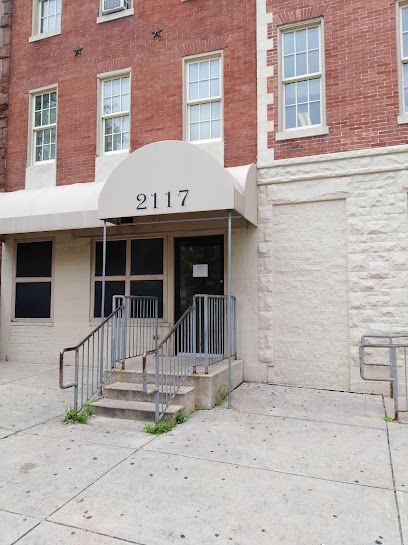
Man Alive Inc
Baltimore, MD
- Outpatient
- MAT
Substance use treatment · SAMHSA-certified Opioid Treatment Program · Cognitive behavioral therapy
Accepts: Medicaid, Medicare, Private health insurance
Lane Treatment Center LLC
Baltimore, MD
- IOP
Substance use treatment · Accepts clients on opioid medication but prescribed elsewhere · Cognitive behavioral therapy
Accepts: Cash or self-payment, Medicaid, Private health insurance

Divine Light
Baltimore, MD
- Detox
- PHP
- IOP
- MAT
Substance use treatment · Accepts clients on opioid medication but prescribed elsewhere · Cognitive behavioral therapy
Accepts: Cash or self-payment, Medicaid, State-financed health insurance plan other than Medicaid
Seventy Times Seven Wellness Mission
Baltimore, MD
- Residential
- IOP
Substance use treatment · Accepts clients on opioid medication but prescribed elsewhere · Cognitive behavioral therapy
Accepts: Cash or self-payment, Medicaid, Medicare
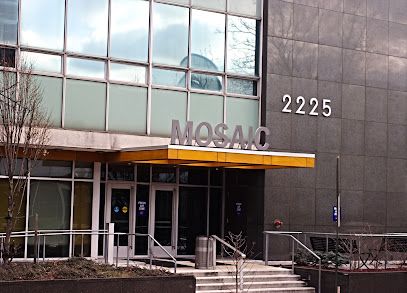
Partners in Recovery-SPHS Mosaic Community Services Inc
Baltimore, MD
- Detox
- IOP
- MAT
Substance use treatment · Cognitive behavioral therapy · Dialectical behavior therapy
Accepts: Cash or self-payment, Medicaid, State-financed health insurance plan other than Medicaid
Behavioral Health Clinic
Baltimore, MD
- IOP
- MAT
- Sober Living
Substance use treatment · Accepts clients on opioid medication but prescribed elsewhere · Cognitive behavioral therapy
Accepts: Cash or self-payment, Medicaid, Medicare