

At a Glance
Primary Focus
Treatment Settings
Treatment Approaches
About Howard Center Act One/Bridge Program
Howard Center Act One/Bridge Program in Burlington, Vermont is a substance use and recovery services provider serving children, youth, adults, and families. The program addresses opioid addiction along with alcohol and other substance use, offering counseling and aftercare support that includes community support and home and housing assistance.
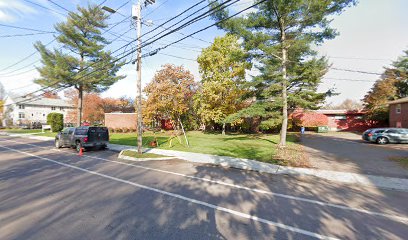
Howard Center Act One/Bridge Program is located at 184 Pearl St in Burlington, Vermont, within Chittenden County. As a dedicated substance use and recovery services provider, it occupies a distinct place in Vermont's recovery landscape by serving a broad cross-section of the community — from young people and their families to adults navigating ongoing recovery. The program is part of Howard Center, an organization whose reach across Vermont's largest county reflects a deep investment in long-term community-based care rather than short-term crisis intervention alone.
The program's scope of care centers on opioid addiction and alcohol and other substance use. Counseling is a core component of the services offered, providing a structured therapeutic relationship to support people working through substance use challenges. The dual focus on opioid addiction alongside broader substance use concerns positions Act One/Bridge as a resource for individuals whose recovery needs span multiple dimensions.
The program's approach to recovery extends meaningfully beyond clinical sessions. Aftercare support is a documented part of what Howard Center Act One/Bridge offers, with both community support and home and housing supports available to people in recovery. This emphasis on what happens after formal treatment — the practical scaffolding of sober life — reflects an understanding that sustained recovery depends on stable foundations outside the clinical setting.
Act One/Bridge serves children and youth, adults, and families, making it one of the comparatively few programs in Vermont that addresses substance use across generations within a single program framework. Families navigating a loved one's addiction, young people in early recovery, and adults seeking sustained sobriety can each find a point of entry here. Those looking for a recovery center that extends its support into housing stability and community connection will find that the program's aftercare commitments go well beyond the counseling room.
Aftercare and Community Support in Burlington, VT
One of the defining features of Howard Center Act One/Bridge Program is its documented commitment to aftercare — the support that continues after formal counseling concludes. The program offers both community support and home and housing supports, two pillars that address the practical realities of sustaining sobriety outside a clinical environment. For people in recovery, housing instability and social isolation are among the most common triggers for relapse, and the program's aftercare framework directly targets both.
Community support connects individuals to the broader recovery community in Burlington and Chittenden County, helping them build social networks oriented around sober living. Home and housing supports provide a stabilizing foundation that makes sustained recovery more achievable. Together, these aftercare elements reflect a treatment philosophy that views recovery as an ongoing process rather than an event that ends when counseling does.
Who the Act One/Bridge Program Serves
Howard Center Act One/Bridge Program is designed to meet the needs of a genuinely diverse population. The program serves children and youth, adults, and families — a breadth of focus that distinguishes it from programs designed exclusively for adult individuals. This multi-generational reach means that a family confronting substance use across different age groups can engage with a single program rather than navigating separate systems.
The family-inclusive model is particularly relevant for the recovery community audience: addiction rarely affects only one person, and programs that acknowledge the broader family system tend to produce more durable outcomes. Whether a parent is seeking support for a child, a young adult is beginning their recovery journey, or a family wants to engage together in the recovery process, Act One/Bridge offers a point of entry for each.
Substance Use Treatment in Chittenden County
Howard Center Act One/Bridge Program addresses opioid addiction and alcohol and other substance use through counseling-based care in Burlington, Vermont. As a substance use and recovery services provider embedded in Chittenden County, it is positioned to serve individuals across Vermont's most populous county who need ongoing recovery support rather than acute crisis intervention alone.
The program's connection to the broader Howard Center network gives it roots in the community that many standalone treatment facilities lack. For those evaluating long-term recovery options in Vermont, Act One/Bridge represents a community-anchored resource with a documented commitment to aftercare and family involvement — factors that research consistently identifies as central to lasting recovery.
Counseling as the Foundation of Recovery
Counseling is at the core of what Howard Center Act One/Bridge Program provides. For people in longer-term recovery, ongoing therapeutic support through counseling helps individuals develop the skills, insight, and accountability that sustain sobriety over time. The counseling relationship provides a consistent space to process challenges, set goals, and work through the underlying patterns that contribute to substance use.
This counseling-centered model, combined with the program's aftercare supports, is designed to serve people who are invested in recovery as a long-term commitment. Rather than functioning purely as a short-term intervention, Act One/Bridge offers a framework for sustained engagement with the recovery process — one that includes support for the social and housing dimensions of sober living alongside clinical care.
Why Choose Howard Center Act One/Bridge Program
- Serves children, youth, adults, and families — one of the few multi-generational recovery programs in Chittenden County
- Aftercare support includes both community support and home and housing assistance, extending recovery beyond the counseling room
- Addresses opioid addiction alongside alcohol and other substance use, covering a wide range of recovery needs
- Part of Howard Center, a well-established Vermont provider network offering broad community-based recovery services
- Family-inclusive model recognizes that recovery touches the entire household, not just the individual
Frequently Asked Questions
What types of substance use does Howard Center Act One/Bridge Program treat?
The program addresses opioid addiction as well as alcohol and other substance use. This dual focus means that individuals dealing with a range of substance use concerns can access care through the program. Counseling is the primary therapeutic method offered.
Who is eligible for the Act One/Bridge Program?
The program serves children and youth, adults, and families. This multi-generational scope makes it one of the more inclusive recovery programs in Chittenden County, Vermont. Families can engage with the program together, and young people are explicitly included in the populations served.
Does the Act One/Bridge Program offer aftercare support?
Yes. The program includes documented aftercare support in the form of community support and home and housing supports. These services are designed to help individuals maintain recovery beyond the formal counseling relationship by addressing housing stability and social connection.
Where is Howard Center Act One/Bridge Program located?
The program is located at 184 Pearl St in Burlington, Vermont, within Chittenden County. It is part of the broader Howard Center network. You can reach the program by phone at (802) 488-6425 or by email at [email protected].
Does the program support family members of people in recovery?
Yes. Families are among the explicitly confirmed populations served by Howard Center Act One/Bridge. The program's approach recognizes that substance use affects entire family systems, and family members can engage with the program as part of the recovery process.
What role does community support play in the Act One/Bridge Program?
Community support is a confirmed component of the program's aftercare services. This means that beyond individual counseling, the program helps connect people in recovery to broader community resources in the Burlington area. Community connection is a recognized protective factor in sustained sobriety.
Does the Act One/Bridge Program offer housing support?
Home and housing supports are a confirmed part of the program's aftercare framework. Housing instability is a well-documented barrier to sustained recovery, and the program's inclusion of housing supports reflects an understanding of what people in longer-term recovery actually need.
How can I contact Howard Center Act One/Bridge Program?
You can reach the program by calling (802) 488-6425 or by emailing [email protected]. Additional program information is available through Howard Center's website at howardcenter.org/All-Programs.
Is the Act One/Bridge Program part of a larger organization?
Yes. Howard Center Act One/Bridge Program is part of Howard Center, a Vermont-based provider offering a range of community and behavioral health services. This organizational connection gives the program access to a broader service network in Chittenden County.
What makes Act One/Bridge different from other recovery programs in Vermont?
The program's combination of multi-generational service — spanning children, youth, adults, and families — with documented aftercare that includes both community support and home and housing assistance sets it apart from programs that focus narrowly on individual adults or short-term clinical intervention. This makes it a strong option for families and individuals seeking a longer-term recovery partner in Burlington, VT.
Nearby Treatment Centers
Spectrum Youth and Family Services
Burlington, VT
- Outpatient
Substance use treatment · Accepts clients on opioid medication but prescribed elsewhere · Cognitive behavioral therapy
Accepts: Cash or self-payment, Medicaid, State-financed health insurance plan other than Medicaid
University of Vermont Medical Ctr Day One Program
Burlington, VT
- IOP
- MAT
Substance use treatment · Cognitive behavioral therapy · Dialectical behavior therapy
Accepts: Cash or self-payment, Medicaid, Medicare
Burlington Lakeside Clinic Department of Veterans Affairs
Burlington, VT
- Outpatient
- MAT
Substance use treatment · Cognitive behavioral therapy · Substance abuse counseling
Accepts: Military insurance
Howard Center Pine Street Counseling Services
Burlington, VT
- IOP
- MAT
Substance use treatment · Accepts clients on opioid medication but prescribed elsewhere · Cognitive behavioral therapy
Accepts: Cash or self-payment, Medicaid, Medicare
Lund Family Center
Burlington, VT
- Residential
- Outpatient
- MAT
Substance use treatment · Accepts clients on opioid medication but prescribed elsewhere · Cognitive behavioral therapy
Accepts: Medicaid, State-financed health insurance plan other than Medicaid
New England Medicine and Counseling Associates
Winooski, VT
- Outpatient
- MAT
Substance use treatment · All Clients in Opioid Treatment Program · Substance abuse counseling
Accepts: Cash or self-payment