

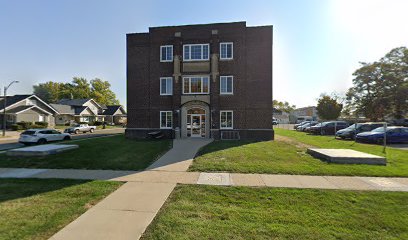
At a Glance
Location
310 North Buxton Street, Indianola, IA 50125
Phone
(515) 358-7610Primary Focus
Treatment Settings
Treatment Approaches
Special Programs
About House of Mercy Indianola Center
House of Mercy Indianola Center provides outpatient programs and intensive outpatient treatment for substance abuse recovery in Indianola, Iowa. The CARF-accredited recovery center specializes in serving women, pregnant women, and young adults with substance use disorders and co-occurring mental health conditions.
House of Mercy Indianola Center operates as an outpatient addiction treatment facility serving Warren County and the surrounding Indianola community. This recovery center focuses exclusively on outpatient care, providing flexible treatment options for individuals who need structured support while maintaining their daily responsibilities. The facility operates Monday through Friday with extended evening hours on Tuesdays to accommodate working clients and students.
The center offers two primary levels of outpatient programs: standard outpatient treatment and intensive outpatient programs (IOP). These addiction treatment services allow clients to receive comprehensive care while living at home or in sober living arrangements. The recovery center treats substance use disorders, alcohol use disorders, and co-occurring mental health conditions including trauma and PTSD. This dual diagnosis approach addresses both addiction and underlying mental health concerns within the same treatment framework.
Treatment at House of Mercy incorporates cognitive behavioral therapy (CBT) techniques and offers telehealth options for continued care. The recovery center maintains CARF accreditation, demonstrating commitment to quality standards in addiction treatment. CBT helps clients develop practical coping strategies and identify thought patterns that contribute to substance use, while telehealth services ensure continuity of care for ongoing recovery support.
The facility specifically serves women, pregnant women, adolescents, young adults aged 18-25, and individuals with court-ordered treatment requirements. House of Mercy accepts multiple payment options including Medicaid, Medicare, private insurance, TRICARE, and offers sliding scale fees and payment assistance. This broad insurance acceptance and financial flexibility makes addiction treatment accessible to diverse populations in the Indianola area seeking long-term recovery support.
Outpatient Programs and Intensive Treatment Options
House of Mercy Indianola Center delivers two levels of outpatient addiction treatment designed for clients who need structured recovery support while maintaining community connections. The standard outpatient program allows individuals to attend treatment sessions while living at home or in sober living environments, making it ideal for those transitioning from residential treatment or beginning their recovery journey with family support.
The intensive outpatient program (IOP) provides more comprehensive treatment hours for clients requiring additional structure without residential placement. This level of care works well for young adults balancing college or early career responsibilities with addiction recovery, and for individuals stepping down from higher levels of care who need continued intensive support while rebuilding their lives in the community.
Specialized Care for Women and Dual Diagnosis Treatment
The recovery center prioritizes treatment for women, including pregnant women who need specialized addiction treatment during pregnancy. This focus allows for programming that addresses gender-specific issues in recovery, trauma histories, and the unique challenges women face in substance abuse treatment. Pregnant clients receive care that considers both maternal health and addiction recovery needs.
House of Mercy integrates dual diagnosis treatment for clients with co-occurring mental health conditions, particularly trauma and PTSD. This approach recognizes that lasting recovery often requires addressing underlying mental health concerns alongside substance use disorders. The combination of addiction treatment and mental health care within the same program eliminates the need for clients to coordinate care across multiple providers.
Treatment Approach and Therapeutic Methods
The center employs cognitive behavioral therapy (CBT) as a primary therapeutic method, helping clients identify and change thought patterns that contribute to substance use. CBT provides practical tools for managing triggers, developing healthy coping mechanisms, and preventing relapse. This therapeutic approach has strong research support for treating both substance use disorders and co-occurring mental health conditions like trauma and PTSD.
Telehealth services expand access to treatment and support ongoing recovery beyond traditional office visits. This technology allows clients to maintain connection with their treatment team during challenging periods, attend sessions when transportation is difficult, or continue care during transitions. The combination of in-person and telehealth options creates flexibility that supports long-term engagement in the recovery process.
Accessibility and Community Integration
House of Mercy operates Monday through Friday with standard business hours, plus extended evening hours until 7 PM on Tuesdays to accommodate clients with work or school commitments. This scheduling flexibility recognizes that outpatient clients are often balancing recovery with other responsibilities, making treatment accessibility crucial for successful outcomes.
The center accepts a comprehensive range of payment options including Medicaid, Medicare, private insurance, TRICARE, self-pay, and offers sliding scale fees and payment assistance. This broad insurance acceptance ensures that addiction treatment remains accessible to diverse populations in Warren County, while payment assistance options support individuals who might otherwise face financial barriers to recovery services.
Why Choose House of Mercy Indianola Center
- Specialized focus on women and pregnant women in recovery with gender-specific programming
- Extended evening hours on Tuesdays accommodate working clients and students
- CARF accreditation ensures quality standards for outpatient addiction treatment
- Integrated dual diagnosis treatment for co-occurring trauma and PTSD
- Telehealth options provide flexible access to ongoing recovery support
Frequently Asked Questions
What types of outpatient programs does House of Mercy Indianola offer?
House of Mercy provides standard outpatient programs and intensive outpatient programs (IOP) for substance use disorders and co-occurring mental health conditions. Both levels of care allow clients to live at home or in sober living while attending structured treatment sessions.
Does the recovery center specialize in treating specific populations?
Yes, House of Mercy specializes in treating women, pregnant women, adolescents, and young adults aged 18-25. The center also serves individuals with co-occurring trauma/PTSD and those with court-ordered treatment requirements.
What therapeutic approaches are used in treatment?
The center uses cognitive behavioral therapy (CBT) as a primary therapeutic method and offers telehealth services. CBT helps clients develop practical coping strategies and identify thought patterns that contribute to substance use.
What insurance and payment options are accepted?
House of Mercy accepts Medicaid, Medicare, private insurance, TRICARE, self-pay, and state insurance. The center also offers sliding scale fees and payment assistance to make addiction treatment accessible to more individuals.
What are the operating hours for outpatient treatment?
The center operates Monday through Friday from 8 AM to 5 PM, with extended evening hours until 7 PM on Tuesdays. This scheduling accommodates clients who work or attend school during standard business hours.
Does the center treat dual diagnosis conditions?
Yes, House of Mercy treats co-occurring disorders including substance use disorders combined with trauma and PTSD. This integrated approach addresses both addiction and mental health concerns within the same treatment program.
Is House of Mercy accredited and what does that mean for clients?
The center maintains CARF accreditation, which demonstrates commitment to quality standards in addiction treatment. This accreditation provides assurance that the facility meets rigorous standards for treatment practices and client care.
What conditions does the recovery center treat?
House of Mercy treats substance use disorders, alcohol use disorders, co-occurring mental health conditions, and trauma/PTSD. The center provides integrated treatment for clients who have both addiction and mental health concerns.
Nearby Treatment Centers
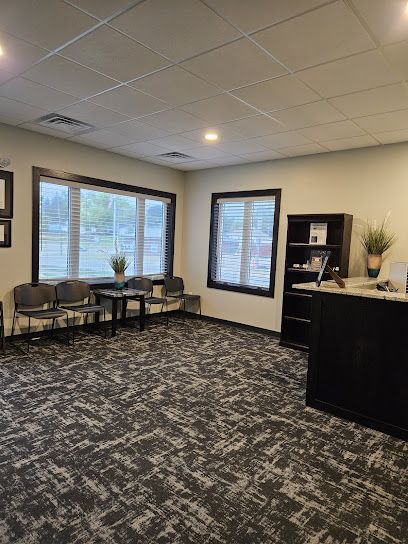
Choices Therapy Services LLC
Indianola, IA
- IOP
- MAT
Substance use treatment · Accepts clients on opioid medication but prescribed elsewhere · Cognitive behavioral therapy
Accepts: Cash or self-payment, Medicaid, State-financed health insurance plan other than Medicaid
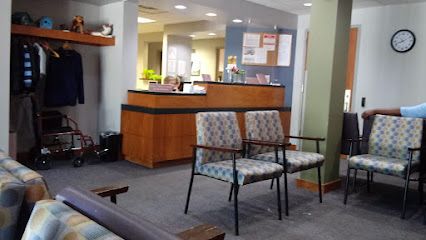
Orchard Place
Des Moines, IA
- Outpatient
Substance use treatment · Does not treat opioid addiction · Cognitive behavioral therapy
Accepts: Cash or self-payment, Medicaid, State-financed health insurance plan other than Medicaid
Bridges of Iowa
Des Moines, IA
- Residential
- PHP
- IOP
- Sober Living
Substance use treatment · Accepts clients on opioid medication but prescribed elsewhere · Cognitive behavioral therapy
Accepts: Cash or self-payment, Medicaid, State-financed health insurance plan other than Medicaid
Employee and Family Resources
Des Moines, IA
- Outpatient
Substance use treatment · Accepts clients on opioid medication but prescribed elsewhere · Cognitive behavioral therapy
Accepts: Cash or self-payment, Medicaid, Private health insurance
Orchard Place PACE
Des Moines, IA
- IOP
Substance use treatment · Does not use medication for opioid addiction · Cognitive behavioral therapy
Accepts: Cash or self-payment, Medicaid, Medicare
Addictions Recovery Center
Des Moines, IA
- IOP
Substance use treatment · Does not treat opioid addiction · Cognitive behavioral therapy
Accepts: Cash or self-payment, Medicaid, Medicare