

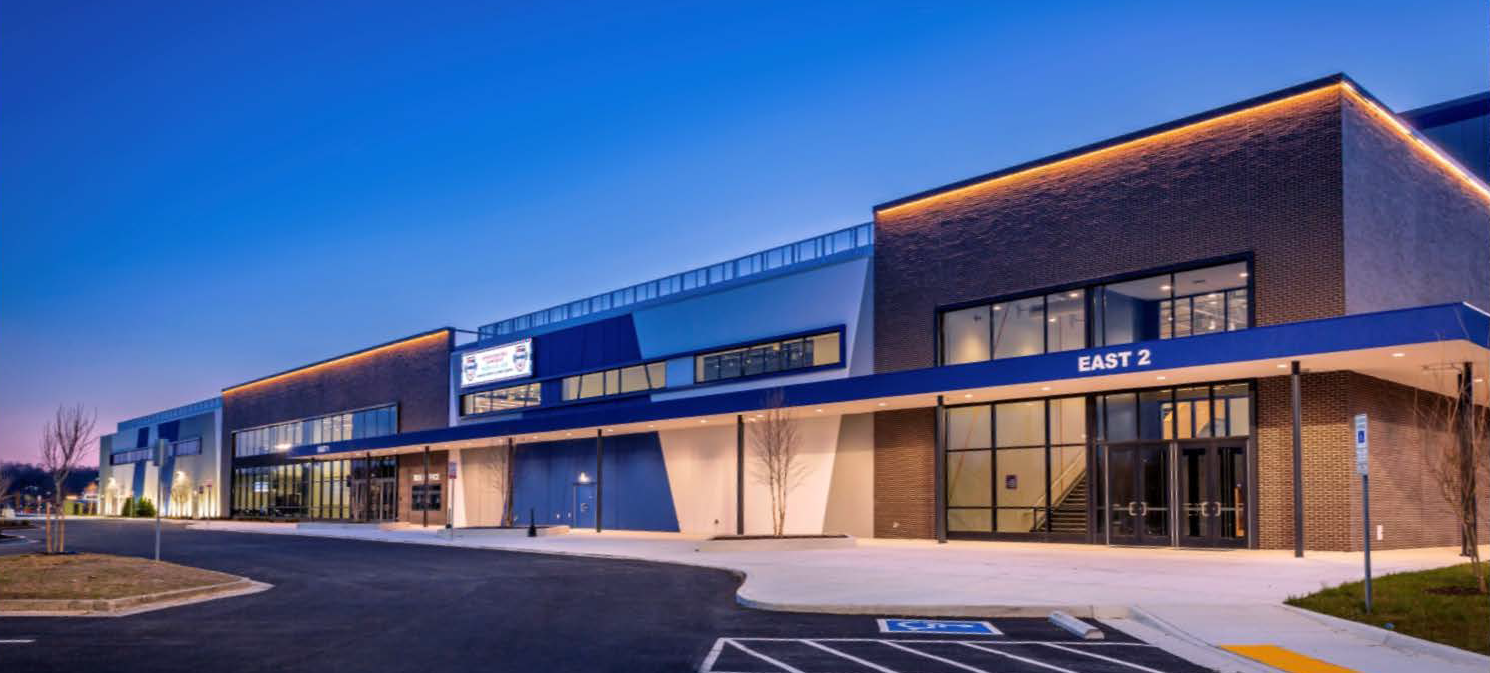
 1 / 3
1 / 3At a Glance
Location
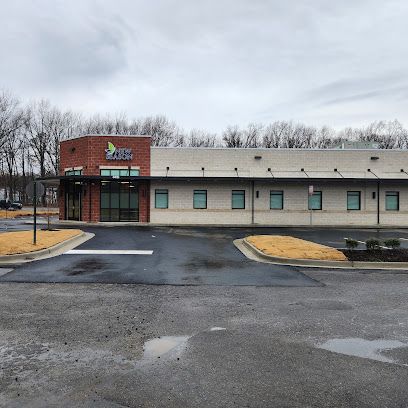
9403 Pocahontas Trail Suite A, Providence Forge, VA 23140
Phone
(804) 727-8970Primary Focus
Treatment Settings
Treatment Approaches
Special Programs
About Henrico Charles City New Kent Mental Health
Henrico Charles City is an outpatient substance use treatment program in Providence Forge, VA, offering CARF-accredited care for adults, adolescents, and specialized populations navigating co-occurring disorders and trauma. Rooted in Cognitive Behavioral Therapy, the program accepts Medicaid, Medicare, TRICARE, private insurance, and offers financial assistance to reduce barriers to ongoing recovery.
Henrico Charles City operates as a CARF-accredited outpatient substance abuse treatment program located at 9403 Pocahontas Trail in Providence Forge, Virginia. Administered through Henrico County's mental health and developmental services system, the center brings a publicly accountable, community-rooted framework to addiction treatment and recovery support in the greater New Kent County area. For people weighing their options for longer-term care, the facility's county government affiliation signals a commitment to accessible, regulated treatment rather than a purely commercial model.
The center delivers outpatient program services, making it a practical fit for individuals who are stepping down from a higher level of care, managing recovery alongside work or family obligations, or seeking structured support without a residential stay. Outpatient treatment at this level allows participants to build the daily recovery skills they will carry into the rest of their lives while remaining connected to their home communities — a cornerstone of durable, long-term sobriety.
Cognitive Behavioral Therapy (CBT) anchors the clinical approach here. CBT is a structured, skills-based method that helps people identify the thought patterns and behaviors driving substance use, then develop concrete strategies to interrupt them. The program also addresses co-occurring disorders and dual diagnosis — meaning mental health conditions are treated alongside addiction rather than in isolation — as well as trauma and PTSD, conditions that frequently intersect with substance use and require specialized clinical attention.
Henrico Charles City serves a notably broad range of populations: adolescents, men, women, pregnant women, and individuals who are deaf or hard of hearing. That range of served populations — particularly the inclusion of pregnant women, adolescents, and the deaf and hard-of-hearing community — reflects a deliberate effort to reach people who are often underserved by standard addiction treatment programs. Payment options include Medicaid, Medicare, TRICARE, private insurance, self-pay, and financial assistance, removing financial barriers that might otherwise delay someone's entry into recovery.
Outpatient Recovery Support for the Long Haul
For people planning a recovery that extends well beyond an initial crisis, Henrico Charles City's outpatient program offers a structured clinical setting without requiring a residential stay. Participants can engage in treatment while maintaining connections to family, work, and community — factors that research consistently links to sustained sobriety. The outpatient format also makes this center a natural landing point for individuals stepping down from residential treatment or a higher level of care, bridging the gap between intensive programming and independent living.
Located in Providence Forge, Virginia, and operating under the Henrico County mental health and developmental services system, the center brings the stability and accountability of a public institution to outpatient substance abuse treatment. CARF accreditation further signals that the program meets independently verified standards for quality of care — a meaningful marker for individuals and families doing their due diligence when selecting a long-term recovery partner.
Treating the Whole Picture: Dual Diagnosis and Trauma Care
Henrico Charles City's outpatient program formally addresses co-occurring disorders and dual diagnosis, recognizing that mental health conditions and substance use disorders rarely travel alone. For many people in recovery, untreated depression, anxiety, or other psychiatric conditions are among the primary drivers of relapse. By treating both conditions within the same program, clinicians can develop a more complete picture of what each person is managing and build treatment plans that reflect that reality.
Trauma and PTSD are also explicitly recognized as conditions treated at this facility. This is a significant clinical distinction: trauma-informed care requires specific training and methodologies that not all outpatient programs offer. For individuals whose substance use is rooted in or compounded by traumatic experience, a program that addresses that directly — rather than setting it aside for a separate referral — can make a meaningful difference in long-term recovery outcomes.
Who This Program Serves
The center's roster of served populations is broader than many outpatient programs its size. Adolescents and adults are both served, as are men, women, and pregnant women — a population whose treatment needs are specific and whose access to appropriate care can be limited. Individuals who are deaf or hard of hearing are also explicitly listed as a served population, reflecting an investment in accessibility that goes beyond standard outpatient offerings.
For families supporting a loved one in recovery, these distinctions matter when evaluating fit. A program designed to accommodate diverse communication needs and life circumstances is better positioned to meet someone where they are, rather than asking the person to adapt to a one-size model. Combined with a payment structure that includes Medicaid, Medicare, TRICARE, private insurance, self-pay, and financial assistance, the center works to keep financial and logistical barriers from standing between someone and the care they need.
Cognitive Behavioral Therapy as the Core of Recovery Work
Cognitive Behavioral Therapy is the confirmed clinical method in use at Henrico Charles City. CBT is one of the most well-researched therapeutic approaches applied to substance use disorders. It works by helping individuals examine the connections between their thoughts, feelings, and behaviors — and then practice replacing patterns that sustain substance use with strategies that support recovery. Unlike approaches focused primarily on insight or emotional processing, CBT is skills-oriented, giving participants tools they can use in real situations long after formal treatment ends.
In an outpatient setting, CBT is especially well-suited to the work of building a sustainable recovery lifestyle. Sessions can translate directly to the real-world environments participants return to each day — workplaces, homes, and communities where the skills practiced in treatment are immediately tested. For individuals managing co-occurring disorders or processing trauma alongside addiction, CBT provides a framework flexible enough to address multiple dimensions of what they are working through.
Why Choose Henrico Charles City New Kent Mental Health
- CARF-accredited outpatient program operated within Henrico County's public mental health system — a community-accountable recovery resource
- Specialized clinical focus on co-occurring disorders and trauma/PTSD alongside substance use treatment
- Serves adolescents, pregnant women, and deaf or hard-of-hearing individuals — populations often overlooked by standard outpatient programs
- Broad payment access including Medicaid, Medicare, TRICARE, private insurance, and financial assistance
- CBT-driven framework designed to build lasting recovery skills that participants carry beyond the program
Frequently Asked Questions
What level of care does Henrico Charles City offer for addiction treatment?
Henrico Charles City offers an outpatient program for substance use treatment. This level of care is well-suited for people seeking structured addiction treatment while living at home, stepping down from residential treatment, or balancing recovery with everyday responsibilities. It is not a residential or inpatient program.
Is Henrico Charles City accredited?
Yes. The facility holds CARF accreditation, which is awarded by the Commission on Accreditation of Rehabilitation Facilities. CARF accreditation means the program has been evaluated against independently established standards for quality of care — an important factor when choosing a long-term recovery center.
Does this outpatient program treat co-occurring mental health conditions?
Yes. Henrico Charles City specifically treats co-occurring disorders and dual diagnosis, meaning mental health conditions are addressed alongside substance use rather than handled as a separate referral. Trauma and PTSD are also listed as conditions treated at this facility.
What therapy methods are used in the program?
The confirmed therapeutic method at Henrico Charles City is Cognitive Behavioral Therapy (CBT). CBT is a structured, skills-based approach that helps individuals identify thought and behavior patterns connected to substance use and develop practical strategies to support ongoing recovery.
What populations does Henrico Charles City serve?
The program serves adolescents, men, women, pregnant women, and individuals who are deaf or hard of hearing. This range of served populations makes it one of the more inclusive outpatient programs in the area for people whose needs may not be met by standard treatment settings.
What payment options are accepted at this facility?
Henrico Charles City accepts Medicaid, Medicare, TRICARE, private insurance, and self-pay. Financial assistance is also available. This broad range of payment options is intended to reduce financial barriers for individuals and families pursuing substance abuse treatment and ongoing recovery support.
Does Henrico Charles City accept TRICARE for military-connected individuals?
Yes. TRICARE is listed as an accepted payment method, making the program accessible to active-duty service members, veterans, and their families who carry TRICARE coverage and are seeking outpatient addiction treatment.
Where is Henrico Charles City located?
The facility is located at 9403 Pocahontas Trail, Suite A, in Providence Forge, Virginia, within New Kent County. It can be reached by phone at (804) 727-8920, and additional information is available through the Henrico County mental health and developmental services website at henrico.gov/mhds.
Is this program a good fit for someone stepping down from residential treatment?
Outpatient programs are commonly used as a step-down level of care following residential treatment, allowing individuals to continue structured clinical support while transitioning back to daily life. Henrico Charles City's outpatient program, CBT-based approach, and dual diagnosis services make it a clinically appropriate option for that transition. Contacting the facility directly at (804) 727-8920 is the best way to discuss fit and availability.
Does the program offer services for adolescents?
Yes. Adolescents are among the confirmed populations served at Henrico Charles City. Families seeking outpatient substance abuse treatment or co-occurring disorder support for a young person can contact the facility at (804) 727-8920 to learn more about the program's services for that age group.
Nearby Treatment Centers
John Randolph Medical Center Outpatient Behavioral Health
Hopewell, VA
- IOP
- MAT
Substance use treatment · Accepts clients on opioid medication but prescribed elsewhere · Cognitive behavioral therapy
Accepts: Cash or self-payment, Medicaid, Medicare
American Addiction Treatment Center
Williamsburg, VA
- Outpatient
- MAT
Substance use treatment · All Clients in Opioid Treatment Program · SAMHSA-certified Opioid Treatment Program
Accepts: Cash or self-payment, Medicaid, Medicare
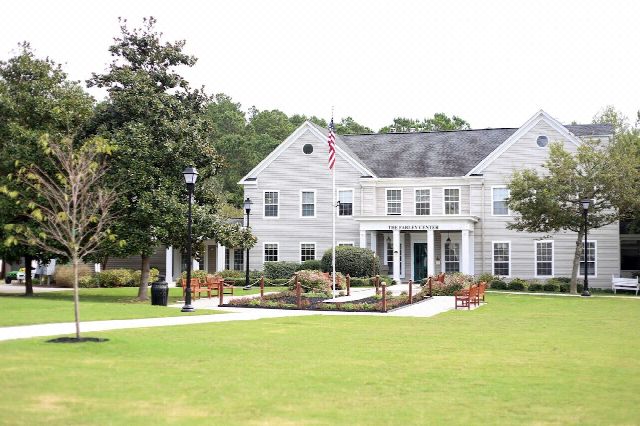
Williamsburg Place The William J Farley Center
Williamsburg, VA
- Detox
- PHP
- IOP
- MAT
Substance use treatment · Cognitive behavioral therapy · Dialectical behavior therapy
Accepts: Cash or self-payment, State-financed health insurance plan other than Medicaid, Private health insurance
District 19 Community Services Board Hopewell Prince George Csl Services
Prince George, VA
- IOP
Substance use treatment · Accepts clients on opioid medication but prescribed elsewhere · Cognitive behavioral therapy
Accepts: Cash or self-payment, Medicaid, State-financed health insurance plan other than Medicaid
Henrico Area Mental Health and Developmental Services
Richmond, VA
- Outpatient
- MAT
Substance use treatment · Accepts clients on opioid medication but prescribed elsewhere · Cognitive behavioral therapy
Accepts: Cash or self-payment, Medicaid, Medicare
Richmond Southside Treatment Center Metro Treatment of Virginia LP
Richmond, VA
- Outpatient
- MAT
Substance use treatment · All Clients in Opioid Treatment Program · SAMHSA-certified Opioid Treatment Program
Accepts: Cash or self-payment, Medicaid, Private health insurance