

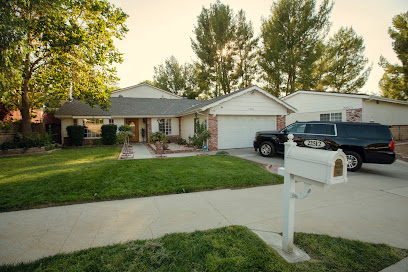
At a Glance
Location
22512 Garzota Drive, Santa Clarita, CA 91350
Phone
661-523-7676Primary Focus
Treatment Settings
Treatment Approaches
Special Programs
About Healthy Living Residential Program
Healthy Living Residential Program in Santa Clarita, CA offers medically monitored detox and residential treatment for adults navigating drug and alcohol addiction, including specialized support for first responders and working professionals. JCAHO-accredited and open 24 hours, the center pairs clinical structure with aftercare planning and an alumni program to support recovery well beyond the residential stay.
Healthy Living Residential Program is a JCAHO-accredited detox and residential treatment center located in Santa Clarita, in Los Angeles County, California. The facility operates around the clock and serves adults seeking structured, longer-term addiction treatment — including those managing co-occurring mental health conditions alongside drug or alcohol addiction. Its service area covers Santa Clarita and the greater Los Angeles region, making it an accessible option for Southern California residents pursuing sustained recovery.
The center offers a full continuum of care that begins with medically monitored detoxification — a supervised withdrawal process lasting five to fourteen days — and moves into residential treatment lasting one to three months. Medication-Assisted Treatment (MAT) is available within that continuum, and the program explicitly includes aftercare as a formal level of care rather than an afterthought. That aftercare tier is supported by structured alumni programming and education and employment assistance, giving residents a concrete plan for life after residential treatment.
Therapeutic work at Healthy Living draws on a range of modalities confirmed in the program's approach: individual therapy, group therapy, family therapy, and Cognitive Behavioral Therapy form the clinical core, while experiential therapy, psychoeducation, yoga, breathwork, Tai Chi, and acupuncture round out the program. The presence of family therapy signals that the center treats recovery as something that extends to the people closest to each resident — a priority that aligns with the needs of families trying to understand and support a loved one through the process.
Healthy Living specifically serves working and employed individuals and first responders — two populations whose needs are often underserved by standard addiction treatment programs. The center accepts PPO insurance plans and private pay but does not accept Medi-Cal or Medicaid. For professionals, first responders, and their families looking for a residential treatment program that accounts for the particular pressures of those roles, Healthy Living's combination of medically supervised detox, residential care, MAT, and structured aftercare offers a recovery pathway built for the long term.
Medically Monitored Detox and Residential Treatment in Santa Clarita
Healthy Living Residential Program offers one of the more complete addiction treatment continuums in the Santa Clarita and greater Los Angeles area. The process begins with medically monitored detoxification — a clinically supervised withdrawal phase that typically runs five to fourteen days depending on individual need. From there, residents transition directly into a residential treatment program lasting one to three months, maintaining continuity of care without the disruption of changing facilities mid-recovery.
Medication-Assisted Treatment is available as part of this continuum, giving clinical staff the tools to address physical dependency alongside the psychological and behavioral work of recovery. The program also treats co-occurring disorders, recognizing that mental health conditions and substance use frequently intersect and that addressing both simultaneously produces stronger long-term outcomes. For people ready to commit to more than a short-term fix, this layered structure — detox, residential, MAT, and aftercare — reflects how durable recovery actually works.
Aftercare, Alumni Support, and Life After Residential Treatment
One of the distinguishing features of Healthy Living's recovery model is that aftercare is treated as a formal level of care, not an optional add-on. The center's aftercare planning process helps residents map out the next phase before they leave residential treatment, reducing the gap that often leads to early relapse. An alumni program maintains connection to the recovery community after discharge, and education and employment assistance addresses one of the most practical challenges in sustained sobriety — rebuilding a stable professional life.
For working professionals and first responders in particular, the employment assistance component carries real weight. Returning to demanding, high-stakes work environments after treatment requires preparation that goes beyond clinical discharge paperwork. Healthy Living's inclusion of these resources within the aftercare tier positions the center as a recovery partner through the reintegration phase, not just the acute treatment window.
Therapeutic Approach: Clinical and Experiential Methods
The therapeutic framework at Healthy Living combines structured clinical modalities with experiential and wellness-based practices. Individual therapy, group therapy, family therapy, and Cognitive Behavioral Therapy anchor the clinical work — CBT in particular is widely used in addiction treatment for its focus on identifying and reshaping the thought patterns that sustain substance use. Psychoeducation supports residents in understanding addiction as a condition, not a character flaw, which matters both for personal recovery and for rebuilding family relationships.
Alongside clinical work, the program incorporates yoga, breathwork, Tai Chi, acupuncture, and experiential therapy. These methods are not decorative additions — they address the physical and psychological toll that long-term substance use takes on the body, and they give residents practical tools for managing stress and anxiety that remain useful long after residential treatment ends. Family therapy further extends the program's reach, acknowledging that recovery rarely happens in isolation from the people who matter most.
Who Healthy Living Serves: First Responders and Working Professionals
Healthy Living Residential Program specifically identifies working and employed individuals and first responders as core populations served. This distinction matters. First responders — including law enforcement, firefighters, and emergency medical personnel — face occupational stressors, trauma exposure, and cultural barriers to seeking help that differ significantly from the general population. A program that names this group explicitly is signaling familiarity with those dynamics, not just a willingness to accept anyone through the door.
The program accepts PPO insurance plans and private pay, which aligns with the insurance profiles common among employed adults and public safety workers. Medi-Cal and Medicaid are not accepted. For families trying to support a first responder or working professional who needs residential addiction treatment in the Los Angeles area, Healthy Living's focused approach and full continuum of care — from medically monitored detox through aftercare and alumni programming — represent a serious long-term recovery option.
Why Choose Healthy Living Residential Program
- Specialized programming for first responders and working professionals — populations with distinct recovery needs often overlooked by standard residential programs
- Full continuum from medically monitored detox (5–14 days) through residential treatment (1–3 months) and into structured aftercare, all within one program
- Medication-Assisted Treatment (MAT) integrated into the residential continuum, supporting long-term recovery alongside clinical therapy
- JCAHO accreditation — one of the most recognized quality benchmarks in addiction treatment — with 24-hour operations
- Alumni program and education and employment assistance built into aftercare, addressing re-entry into professional and community life after residential treatment
Frequently Asked Questions
What levels of care does Healthy Living Residential Program offer?
Healthy Living offers a full continuum that includes medically monitored detoxification, Medication-Assisted Treatment (MAT), residential treatment, and aftercare. Detox runs five to fourteen days, followed by residential treatment lasting one to three months. Aftercare is a formal program component, not just a referral list given at discharge.
Does Healthy Living treat co-occurring mental health conditions alongside addiction?
Yes. Co-occurring disorders are among the confirmed conditions treated at Healthy Living Residential Program. The program addresses both substance use and underlying or concurrent mental health conditions within the same treatment setting, which is critical for people whose addiction and mental health challenges are intertwined.
What insurance does Healthy Living accept?
Healthy Living accepts all PPO insurance plans and private pay. The program does not accept Medi-Cal or Medicaid. If you carry PPO coverage through your employer or a private plan, it is worth contacting the center directly at (661) 536-5562 to verify your benefits.
Does Healthy Living have specialized programming for first responders?
Yes. First responders are one of the specific populations Healthy Living serves. The program also serves working and employed individuals, recognizing that these groups often face unique occupational and cultural pressures that affect both addiction and recovery.
What kind of aftercare and alumni support does Healthy Living provide?
Aftercare at Healthy Living includes structured aftercare planning, an alumni program, and education and employment assistance. These resources are designed to support residents as they transition back into daily life and professional environments after completing residential treatment.
Is Healthy Living Residential Program accredited?
Yes. Healthy Living holds JCAHO accreditation — the Joint Commission on Accreditation of Healthcare Organizations — which is one of the most widely recognized quality and safety standards in addiction treatment and behavioral healthcare.
What therapeutic methods are used in Healthy Living's residential program?
The program uses a combination of individual therapy, group therapy, family therapy, Cognitive Behavioral Therapy, and psychoeducation as its clinical foundation. Experiential therapy, yoga, breathwork, Tai Chi, and acupuncture are also part of the program, offering additional tools for physical and psychological recovery.
How long is the residential treatment program at Healthy Living?
Residential treatment at Healthy Living typically lasts one to three months following the detox phase. The length of the residential stay depends on individual clinical progress and needs. This timeframe aligns with research showing that longer stays in residential treatment are associated with stronger long-term recovery outcomes.
Does Healthy Living offer Medication-Assisted Treatment (MAT)?
Yes. Medication-Assisted Treatment is a confirmed level of care at Healthy Living Residential Program. MAT is integrated into the treatment continuum alongside residential care and detox, allowing the clinical team to address physical dependency as part of a broader recovery plan.
Where is Healthy Living Residential Program located and what areas does it serve?
Healthy Living is located in Santa Clarita, California, in Los Angeles County. The center's service area covers Santa Clarita and the greater Los Angeles region. The facility is open 24 hours and can be reached at (661) 536-5562.
Nearby Treatment Centers
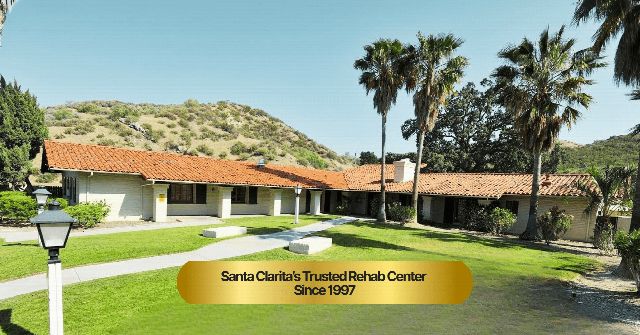
Action Family Counseling Inc Newhall IOP
Santa Clarita, CA
- Detox
- PHP
- IOP
- Sober Living
Substance use treatment · Accepts clients on opioid medication but prescribed elsewhere · Substance abuse counseling
Accepts: Cash or self-payment, Private health insurance, Military insurance
Child and Family Center Santa Clarita
Santa Clarita, CA
- IOP
Substance use treatment · Accepts clients on opioid medication but prescribed elsewhere · Cognitive behavioral therapy
Accepts: Medicaid, Medicare
Safety Consultant Services Inc
Newhall, CA
- Outpatient
Substance use treatment · Does not treat opioid addiction · Substance abuse counseling
Accepts: Cash or self-payment

Valley Recovery Center California Recovery Center
Newhall, CA
- Detox
- Residential
- MAT
Substance use treatment · Cognitive behavioral therapy · Dialectical behavior therapy
Accepts: Cash or self-payment, Private health insurance, Military insurance
National Council on Alc and Drug Dep San Fernando Valley
Santa Clarita, CA
- Outpatient
Substance use treatment · Accepts clients on opioid medication but prescribed elsewhere · Cognitive behavioral therapy
Accepts: Cash or self-payment, Medicaid, State-financed health insurance plan other than Medicaid
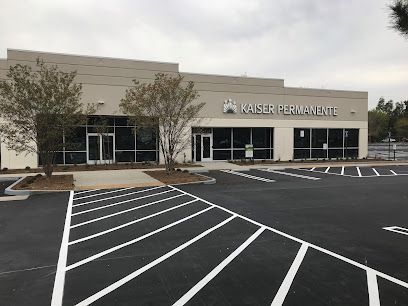
Kaiser Permanente Addiction Medicine Department
Sylmar, CA
- Detox
- PHP
- IOP
- MAT
Substance use treatment · Cognitive behavioral therapy · Substance abuse counseling
Accepts: Medicare, Private health insurance