

 1 / 3
1 / 3At a Glance
Location
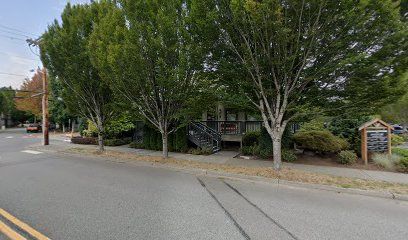
401 Ballarat Ave N, North Bend, WA 98045
Phone
(425) 392-6367Primary Focus
Treatment Settings
Treatment Approaches
Special Programs
About Friends of Youth North Bend
Friends of Youth offers outpatient substance use treatment in North Bend, WA, with a specific focus on adolescents and young adults navigating early recovery. Accredited by the Council on Accreditation (COA) and grounded in Cognitive Behavioral Therapy, this King County program serves young people — including those who are Deaf or Hard of Hearing — with flexible payment options that include Medicaid and sliding scale fees.
Friends of Youth is a COA-accredited substance use treatment program located at 401 Ballarat Avenue North in North Bend, Washington, within King County. The organization's guiding vision — that all youth deserve every opportunity to succeed — shapes a treatment environment where young people and their families are treated as partners in the recovery process, not simply as patients moving through a system. For families in the greater King County area evaluating long-term recovery support for a young person, Friends of Youth represents a program built specifically around that population.
The program operates at the outpatient level of care, making it a strong fit for adolescents and young adults who are ready to engage in structured treatment while continuing to live at home or in their current community setting. Outpatient programming allows participants to maintain school, work, or family responsibilities while receiving consistent, scheduled support — a structure that can be critical for sustaining early recovery over time. The center is open Monday through Friday, 9:00 AM to 6:00 PM, providing accessible weekday hours for young clients and the families supporting them.
Cognitive Behavioral Therapy (CBT) is the confirmed therapeutic foundation of the program. CBT is a skills-based approach that helps young people identify and reshape the thought patterns and behaviors connected to substance use — tools that remain useful long after formal treatment ends. This focus on building practical, lasting skills aligns well with the longer recovery journeys that adolescents and young adults are often just beginning when they enter treatment.
Friends of Youth specifically serves adolescents, young adults ages 18 to 25, and individuals who are Deaf or Hard of Hearing — a meaningful distinction that sets this program apart from many general adult treatment centers. Payment options include Medicaid, state insurance, private insurance, self-pay, and a sliding scale fee structure, reducing financial barriers for young people and their families seeking substance abuse treatment. COA accreditation signals an independently verified standard of care for families doing their due diligence.
Outpatient Recovery Support Built Around Young People
Friends of Youth offers outpatient substance abuse treatment in North Bend, WA, designed from the ground up for adolescents and young adults. Rather than adapting adult-focused programming for younger clients, the center's entire treatment model centers on this population — a distinction that matters when a teenager or young adult in King County is beginning a recovery journey that may span years, not weeks.
The outpatient program structure allows young clients to remain connected to their families, schools, and communities while engaging in consistent treatment. For many adolescents, maintaining those community ties is itself a protective factor in long-term recovery. The program runs Monday through Friday with hours extending to 6:00 PM, giving working young adults and students a realistic window to participate without choosing between treatment and daily responsibilities.
Cognitive Behavioral Therapy as a Foundation for Lasting Recovery
The therapeutic core of Friends of Youth's outpatient program is Cognitive Behavioral Therapy — a structured, skills-based approach that teaches clients to recognize how their thinking patterns connect to substance use behaviors and to develop healthier responses over time. For young people in early recovery, these are skills that extend well beyond the treatment period itself, supporting the kind of sustained sobriety that a community-oriented recovery demands.
CBT is particularly well-suited to adolescent and young adult populations because it addresses the developmental stage at which many young people are building their identities and coping frameworks. Learning to challenge distorted thinking and build healthier behavioral habits during these formative years can have a lasting impact on a young person's long-term trajectory in recovery.
Accessible Treatment for Families Navigating Youth Recovery
Cost is one of the most common reasons families delay seeking addiction treatment for a young person. Friends of Youth accepts Medicaid, state insurance, private insurance, and self-pay, and offers a sliding scale fee structure — a combination that removes many of the financial obstacles that prevent young people from starting an outpatient program. For families weighing their options in King County, the breadth of accepted payment methods is a practical advantage worth noting.
COA accreditation — granted by the Council on Accreditation — means the program has been independently evaluated against established standards for nonprofit behavioral health organizations. For families doing careful research into substance use treatment for an adolescent or young adult, that credential represents an external check on program quality that goes beyond self-reported claims.
Serving Adolescents, Young Adults, and the Deaf and Hard of Hearing Community
Friends of Youth's confirmed population focus includes adolescents, young adults between 18 and 25, and individuals who are Deaf or Hard of Hearing. The inclusion of the Deaf and Hard of Hearing community as a named population served is significant — access to substance abuse treatment for this group is limited across most recovery landscapes, and a program that explicitly serves them fills a gap that generic outpatient centers typically do not address.
For families with a young person who is Deaf or Hard of Hearing and struggling with substance use, finding a treatment center in King County that acknowledges and accommodates that identity is rarely straightforward. Friends of Youth's positioning as a youth-centered, inclusive outpatient program makes it a meaningful option for a population that deserves recovery support as much as any other.
Why Choose Friends of Youth North Bend
- One of the few outpatient substance use treatment programs in King County designed exclusively for adolescents and young adults (18–25)
- Explicitly serves individuals who are Deaf or Hard of Hearing — a population routinely underserved by standard addiction treatment programs
- COA-accredited, providing families with independent verification of program quality
- Cognitive Behavioral Therapy (CBT) gives young clients transferable skills for sustained, long-term recovery — not just acute stabilization
- Multiple payment pathways including Medicaid, state insurance, private insurance, and sliding scale fees lower the barrier to starting treatment
Frequently Asked Questions
What level of care does Friends of Youth offer for substance use treatment?
Friends of Youth provides outpatient substance use treatment, which allows adolescents and young adults to engage in structured recovery programming while continuing to live at home. This level of care is often appropriate for individuals who are early in recovery and have the support of family or community. The program operates Monday through Friday, 9:00 AM to 6:00 PM.
Who does Friends of Youth serve in its addiction treatment program?
The program is designed specifically for adolescents, young adults ages 18 to 25, and individuals who are Deaf or Hard of Hearing. This focused population approach means treatment is structured around the developmental and social realities young people face, rather than adapting programming built for adults.
What therapy approach does Friends of Youth use in its outpatient program?
Friends of Youth uses Cognitive Behavioral Therapy (CBT) as the therapeutic foundation of its outpatient substance abuse treatment. CBT is a skills-based method that helps clients understand the connection between their thoughts, behaviors, and substance use — and build healthier responses that support long-term recovery.
Does Friends of Youth accept Medicaid for substance use treatment?
Yes. Friends of Youth accepts Medicaid, state insurance, private insurance, and self-pay. A sliding scale fee option is also available, making the outpatient program accessible to young people and families across a range of financial situations.
Is Friends of Youth accredited?
Yes. Friends of Youth holds accreditation from the Council on Accreditation (COA), an independent organization that evaluates nonprofit behavioral health and social service programs against established quality standards. This accreditation provides families with external verification of the program's commitment to quality care.
Where is Friends of Youth located?
Friends of Youth is located at 401 Ballarat Avenue North in North Bend, Washington, within King County. The center can be reached by phone at (425) 392-6367 or by email at [email protected].
What are Friends of Youth's hours for its outpatient substance use program?
The program is open Monday through Friday from 9:00 AM to 6:00 PM. These weekday evening hours are designed to accommodate young adults who may have school or work commitments during the day.
Does Friends of Youth serve individuals who are Deaf or Hard of Hearing?
Yes. Friends of Youth explicitly identifies individuals who are Deaf or Hard of Hearing as a population served by its outpatient substance use treatment program. This is a meaningful distinction, as many addiction treatment programs do not specifically accommodate this community.
Is outpatient treatment at Friends of Youth appropriate for a teenager in early recovery?
Adolescents are one of the primary populations Friends of Youth serves in its outpatient substance abuse treatment program. Outpatient care allows teens to remain at home and connected to their families and schools while receiving consistent, structured treatment support. Families are encouraged to contact the center directly at (425) 392-6367 to discuss whether the outpatient program is the right fit for their teenager's specific situation.
How does an outpatient substance use program support long-term recovery for young adults?
Outpatient programs provide structured therapeutic support — in this case anchored in Cognitive Behavioral Therapy — without requiring a person to step away from their daily life entirely. For young adults ages 18 to 25, maintaining community connections and developing CBT-based coping skills during treatment can build a foundation that supports sustained recovery well beyond the program itself.
Nearby Treatment Centers
Raging River Recovery Center Snoqualmie Tribe
Snoqualmie, WA
- IOP
Substance use treatment · Accepts clients on opioid medication but prescribed elsewhere · Cognitive behavioral therapy
Accepts: Cash or self-payment, Medicaid, State-financed health insurance plan other than Medicaid
Lakeside Milam Recovery Centers Issaquah
Issaquah, WA
- IOP
Substance use treatment · Accepts clients on opioid medication but prescribed elsewhere · Cognitive behavioral therapy
Accepts: Cash or self-payment, Private health insurance, Military insurance
Friends of Youth
Issaquah, WA
- Outpatient
Substance use treatment · Accepts clients on opioid medication but prescribed elsewhere · Cognitive behavioral therapy
Accepts: Cash or self-payment, Medicaid, State-financed health insurance plan other than Medicaid
Youth Eastside Services (YES) Bellevue Main Facility
Bellevue, WA
- Outpatient
Substance use treatment · Accepts clients on opioid medication but prescribed elsewhere · Cognitive behavioral therapy
Accepts: Cash or self-payment, Medicaid, State-financed health insurance plan other than Medicaid
Friends of Youth Duvall
Duvall, WA
- Outpatient
Substance use treatment · Accepts clients on opioid medication but prescribed elsewhere · Cognitive behavioral therapy
Accepts: Cash or self-payment, Medicaid, State-financed health insurance plan other than Medicaid
Ryther
Bellevue, WA
- Outpatient
Substance use treatment · Does not use medication for opioid addiction · Accepts clients on opioid medication but prescribed elsewhere
Accepts: Cash or self-payment, Medicaid, Private health insurance