


At a Glance
Primary Focus
Treatment Settings
Treatment Approaches
Special Programs
About Eugenia Center Mossyrock
Eugenia Center in Mossyrock, Washington offers outpatient and intensive outpatient substance use treatment for a wide range of people, including adolescents, veterans, and those navigating co-occurring mental health conditions. Using Cognitive Behavioral Therapy, the center addresses both substance use disorders and trauma alongside mental health needs, with flexible payment options that include Medicaid and sliding-scale fees.
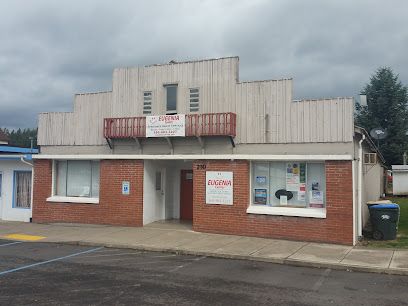
Eugenia Center is a substance use treatment facility located at 230 East State Street in Mossyrock, Washington, serving Lewis County. The center focuses on outpatient recovery services, making it a meaningful option for people who are ready to build long-term sobriety while staying connected to their home, family, and community. Its dual focus on substance use disorder and mental health reflects a recognition that recovery rarely happens in isolation from other life challenges.
The center offers two levels of outpatient care: a standard Outpatient Program and an Intensive Outpatient Program (IOP). The IOP provides a higher level of structured support for those who need more frequent engagement without the commitment of residential treatment — a practical middle ground for people balancing work, family, or other responsibilities while prioritizing their recovery. Both tracks are designed to support ongoing sobriety rather than serve only as a short-term intervention.
Cognitive Behavioral Therapy (CBT) anchors the clinical work at Eugenia Center. CBT is a structured, skills-based approach that helps people identify and shift the thought patterns driving problematic behavior — a particularly meaningful framework for those managing co-occurring disorders or working through trauma and PTSD alongside substance use. The center's explicit attention to trauma and dual diagnosis reflects its understanding that substance abuse treatment must account for the whole person.
Eugenia Center serves an unusually broad population: adolescents, young adults, seniors, men, women, veterans, pregnant women, people who are Deaf or hard of hearing, those requiring HIV/AIDS support, and individuals with court-ordered treatment requirements. Payment is accessible through Medicaid, private insurance, self-pay, sliding-scale fees, and financial assistance programs. For anyone in Lewis County evaluating outpatient addiction treatment that meets them where they are — financially, clinically, and personally — Eugenia Center is worth a close look.
Outpatient and IOP: Recovery That Fits Your Life
For people who are past the acute phase of a substance use crisis and ready to focus on long-term recovery, Eugenia Center offers two levels of outpatient care in Mossyrock, Washington. The standard Outpatient Program provides consistent support for those who have established some stability, while the Intensive Outpatient Program (IOP) offers a more frequent, structured schedule for individuals who need deeper engagement without stepping away from their daily lives.
This outpatient model is especially meaningful for people maintaining jobs, caring for family members, or rebuilding community ties — all of which are central to durable recovery. Rather than separating a person from their environment, outpatient addiction treatment at Eugenia Center works within it, reinforcing real-world coping skills in real time.
Addressing Co-Occurring Disorders and Trauma in Recovery
Eugenia Center explicitly treats co-occurring disorders and dual diagnosis alongside substance use, and also addresses trauma and PTSD as part of its clinical scope. This matters because unresolved trauma and untreated mental health conditions are among the most common drivers of relapse — and programs that treat only the substance use without attending to underlying conditions leave significant gaps in care.
Cognitive Behavioral Therapy (CBT) is the therapeutic foundation of treatment at Eugenia Center. CBT equips people in recovery with practical tools for recognizing and reshaping thought patterns that contribute to substance use and emotional dysregulation. For those dealing with trauma histories or co-occurring mental health diagnoses, this structured approach provides a consistent framework for building new patterns across every stage of the recovery journey.
Who Eugenia Center Serves
Few outpatient recovery centers in rural Washington serve as wide a range of people as Eugenia Center. The facility's programs are open to adolescents, young adults ages 18 to 25, adults, and seniors. Veterans, pregnant women, and individuals requiring HIV/AIDS-related support are all explicitly served. The center also provides services for people who are Deaf or hard of hearing and for those with court-ordered treatment requirements.
This breadth reflects a commitment to meeting the community where it actually is — not just the easiest-to-serve slice of it. For family members supporting a loved one in recovery, knowing that a center can accommodate a specific population need or life circumstance removes a significant barrier to getting started.
Payment and Access: Making Substance Abuse Treatment Reachable
Cost is one of the most common reasons people delay or avoid addiction treatment, and Eugenia Center addresses that directly through a flexible payment structure. The center accepts Medicaid, private insurance, and self-pay, and also offers sliding-scale fees and financial assistance for those who qualify. This range of options is particularly significant for a rural community like Lewis County, where economic barriers to care can be especially pronounced.
The center operates on Tuesdays, Wednesdays, and Thursdays from 9:00 a.m. to 5:30 p.m. For questions about eligibility, payment options, or scheduling an intake appointment, reach Eugenia Center directly at (360) 948-0203 or visit eugeniacenter.org.
Why Choose Eugenia Center Mossyrock
- Serves one of the broadest populations in outpatient recovery — from adolescents to seniors, veterans to court-ordered individuals, and people who are Deaf or hard of hearing
- Explicitly addresses trauma and PTSD alongside substance use, recognizing co-occurring conditions as central to lasting recovery
- Offers both standard outpatient and Intensive Outpatient (IOP) tracks, giving people a structured step-up option without requiring residential placement
- Highly accessible payment structure: Medicaid, private insurance, self-pay, sliding scale, and financial assistance are all accepted
- Grounded in Cognitive Behavioral Therapy — a skills-based clinical model well-suited to the ongoing work of long-term recovery
Frequently Asked Questions
What levels of care does Eugenia Center offer for addiction treatment?
Eugenia Center provides two outpatient levels of care: a standard Outpatient Program and an Intensive Outpatient Program (IOP). The IOP offers more frequent structured sessions for people who need a higher level of support while continuing to live at home. Neither level involves residential or inpatient stays.
Does Eugenia Center treat co-occurring mental health conditions alongside substance use?
Yes. Co-occurring disorders and dual diagnosis are explicitly within Eugenia Center's scope of treatment. The center also addresses trauma and PTSD, recognizing that mental health conditions and past trauma are frequently intertwined with substance use disorders.
What therapeutic approach does Eugenia Center use?
Eugenia Center uses Cognitive Behavioral Therapy (CBT) as its confirmed clinical method. CBT is a structured, skills-focused therapy that helps people identify thought patterns driving harmful behavior and develop more effective responses — an approach particularly relevant for those managing both substance use and co-occurring mental health conditions.
Who is eligible for treatment at Eugenia Center?
Eugenia Center serves a broad range of people, including adolescents, young adults (18–25), adults, and seniors. Veterans, pregnant women, men, women, individuals requiring HIV/AIDS support, people who are Deaf or hard of hearing, and those with court-ordered treatment requirements are all explicitly served.
Does Eugenia Center accept Medicaid or offer financial assistance?
Yes. Eugenia Center accepts Medicaid and private insurance, and also offers self-pay, sliding-scale fees, and financial assistance. This makes outpatient addiction treatment accessible for people across a range of financial situations, including those without comprehensive insurance coverage.
What are Eugenia Center's hours of operation?
Eugenia Center is open Tuesday, Wednesday, and Thursday from 9:00 a.m. to 5:30 p.m. For scheduling or intake inquiries, contact the center at (360) 948-0203.
Is Eugenia Center a good fit for someone transitioning out of residential treatment?
Eugenia Center's Intensive Outpatient Program can serve as a strong step-down option for people completing a higher level of care who still need structured support. The dual focus on substance use and co-occurring conditions, combined with CBT-based treatment, makes it a substantive ongoing recovery resource rather than a brief formality.
Does Eugenia Center provide services for veterans in recovery?
Yes, veterans are among the specific populations Eugenia Center serves. While the confirmed facts do not detail veteran-specific program tracks, the center's treatment of trauma and PTSD alongside substance use disorders is clinically relevant for many veterans navigating recovery.
Where is Eugenia Center located, and what area does it serve?
Eugenia Center is located at 230 East State Street in Mossyrock, Washington, in Lewis County. The center can be reached by phone at (360) 948-0203 or online at eugeniacenter.org.
Does Eugenia Center offer services for adolescents?
Yes. Adolescents are among the confirmed populations served at Eugenia Center, making it one of the outpatient recovery options in Lewis County that extends care beyond the adult population. Families seeking substance abuse treatment for a teenager should contact the center directly to discuss program fit.
Nearby Treatment Centers

Cowlitz Family Health Center Toutle River Campus
Castle Rock, WA
- Residential
- MAT
Substance use treatment · Accepts clients on opioid medication but prescribed elsewhere · Cognitive behavioral therapy
Accepts: Cash or self-payment, Medicaid, State-financed health insurance plan other than Medicaid
American Behavioral Health Systems Chehalis
Chehalis, WA
- Detox
- Residential
- MAT
Substance use treatment · Accepts clients on opioid medication but prescribed elsewhere · Cognitive behavioral therapy
Accepts: Cash or self-payment, Medicaid, State-financed health insurance plan other than Medicaid

Cascade Mental Healthcare Chehalis
Chehalis, WA
- Detox
- IOP
- MAT
Substance use treatment · Accepts clients on opioid medication but prescribed elsewhere · Cognitive behavioral therapy
Accepts: Cash or self-payment, Medicaid, Medicare
Eugenia Center
Chehalis, WA
- IOP
Substance use treatment · Does not use medication for opioid addiction · Accepts clients on opioid medication but prescribed elsewhere
Accepts: Cash or self-payment, Medicaid, State-financed health insurance plan other than Medicaid

New Directions Counseling/Chehalis
Chehalis, WA
- IOP
Substance use treatment · Does not treat opioid addiction · Cognitive behavioral therapy
Accepts: Cash or self-payment, Medicaid, Private health insurance
True North Student Assistance and Treatment Services/Lewis
Chehalis, WA
- IOP
Substance use treatment · Does not use medication for opioid addiction · Accepts clients on opioid medication but prescribed elsewhere
Accepts: Cash or self-payment, Medicaid, Medicare