

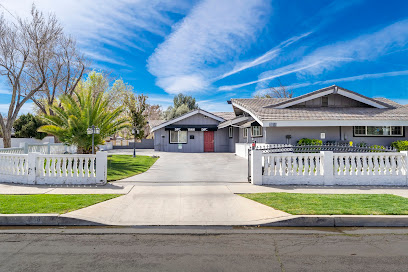
At a Glance
Location
1066 East Avenue J, Lancaster, CA 93535
Phone
661-942-1026Primary Focus
Treatment Settings
Treatment Approaches
Special Programs
About Design for Change Recovery Services
Design for Change Recovery Services in Lancaster, CA offers a full continuum of care — from medical detox through residential treatment and outpatient programming — for adults across the greater Los Angeles region. The center serves a wide range of populations, including veterans, young adults, pregnant women, and seniors, with treatment addressing co-occurring disorders and trauma alongside substance use.
Design for Change Recovery Services is a substance use treatment facility located at 1066 East Avenue J in Lancaster, California, within Los Angeles County. Serving communities across the Antelope Valley and well beyond — from Palmdale and Santa Clarita to San Diego, San Francisco, and Sacramento — the center functions as a regional resource for individuals and families seeking structured, ongoing addiction treatment rather than a one-time intervention. For those evaluating recovery options in Southern California, the facility's 24-hour availability every day of the week makes it accessible whenever the decision to seek help arrives.
The center's continuum of care begins with a medical detox program lasting seven or more days, giving people the clinical support needed before longer-term treatment begins. From there, clients can step into a 30-day residential rehab program, followed by outpatient programming and aftercare services that extend support well past the residential phase. This three-tier structure — medical detox, residential treatment, outpatient program — reflects a commitment to keeping people connected to care across the full arc of recovery, not just the earliest stage.
Cognitive Behavioral Therapy (CBT) anchors the clinical work at Design for Change, a method with a well-documented track record in treating both substance use disorders and the underlying conditions that often accompany them. The center formally addresses co-occurring disorders and dual diagnosis, as well as trauma and PTSD, recognizing that sustainable recovery rarely involves substance use alone. This dual-focus lens shapes how clients move through the program from detox onward.
Design for Change Recovery Services serves a notably broad cross-section of the adult population: men and women, veterans, young adults between 18 and 25, seniors and older adults, pregnant women, individuals navigating court-ordered treatment, and those needing HIV/AIDS support. Payment options include private insurance, TRICARE — making the center an accessible choice for military families — and self-pay. For anyone across the greater Los Angeles region searching for a recovery center that can meet them where they are and stay with them through aftercare, Design for Change represents a substantive option.
A Continuum of Care Built for Long-Term Recovery
Recovery rarely unfolds in a single step, and Design for Change Recovery Services structures its programs accordingly. The center offers medical detox, residential treatment, and outpatient programming as connected phases rather than isolated services — allowing clients to move from the earliest stage of stabilization through longer-term rehab and into community-based aftercare without having to start over at a new facility.
The 7-plus-day medical detox program provides the clinical foundation. Following detox, the 30-day residential treatment program gives clients the time and structure associated with meaningful behavior change. Outpatient and aftercare services then extend that support into daily life, which is where the real work of sustained recovery takes place. For individuals and families evaluating substance abuse treatment in the Lancaster area or across greater Los Angeles, this continuum matters.
Who Design for Change Serves
The facility is designed to meet a wide range of people where they are. Veterans and military families are explicitly welcomed, with TRICARE accepted as a payment method — a detail that sets Design for Change apart from many residential treatment programs in the region. The center also serves young adults ages 18 to 25, seniors and older adults, pregnant women, men, and women generally, recognizing that substance use disorders do not follow a single demographic profile.
Court-ordered individuals and those requiring HIV/AIDS support are also among the populations the center is equipped to serve. Co-occurring mental health conditions — including trauma and PTSD — are treated alongside substance use rather than deferred. For families trying to find a recovery center that can accommodate a specific situation or population need, this breadth of service is a meaningful consideration.
Treatment Approach: CBT and Dual Diagnosis Care
Cognitive Behavioral Therapy forms the clinical core of treatment at Design for Change Recovery Services. CBT is particularly well-suited to recovery contexts because it addresses the thought patterns and behavioral responses that sustain substance use — skills that remain relevant long after residential treatment ends and carry directly into outpatient and aftercare phases.
The center's formal focus on co-occurring disorders and dual diagnosis means that clients dealing with trauma, PTSD, or other mental health conditions receive integrated treatment rather than sequential care. Treating these conditions alongside substance use — rather than asking clients to address them separately later — is associated with stronger long-term recovery outcomes. For individuals whose addiction is entangled with mental health history, this integrated approach is worth understanding when evaluating residential treatment options in Southern California.
Serving the Greater Los Angeles Region and Beyond
Design for Change Recovery Services is based in Lancaster, in the Antelope Valley portion of Los Angeles County, but its service area extends well across Southern California and into Northern California. Communities served include Palmdale, Santa Clarita, Valencia, Pasadena, Glendale, Riverside, San Bernardino, Victorville, Thousand Oaks, and San Fernando — as well as more distant cities including San Diego, Sacramento, and San Francisco.
For individuals in these communities who are weighing residential treatment or outpatient programs, geography is often a factor in the decision. Some people seek treatment close to home for family connection and aftercare continuity; others prefer distance from their immediate environment during residential rehab. Design for Change's regional reach, combined with its 24-hour availability every day of the week, gives prospective clients and their families a practical starting point for those conversations. Reach the center at (661) 942-1026 or visit designforchangerecovery.com.
Why Choose Design for Change Recovery Services
- Full continuum from 7+ day medical detox through 30-day residential rehab and outpatient aftercare — one center, multiple stages of recovery
- TRICARE accepted, making this a practical choice for veterans and active-duty military families seeking residential or outpatient treatment
- Dual diagnosis and trauma/PTSD treatment integrated into the program, not offered as an add-on
- Serves one of the broadest population ranges in the region, including pregnant women, seniors, court-ordered individuals, and those needing HIV/AIDS support
- Open 24 hours a day, every day, serving communities from the Antelope Valley to San Diego and the Bay Area
Frequently Asked Questions
What levels of care does Design for Change Recovery Services offer?
The center offers three connected levels of care: medical detox, residential treatment, and outpatient programming. This continuum allows clients to move from initial stabilization through longer-term rehab and into aftercare without transferring to a different facility. Outpatient and aftercare services are available to support recovery after the residential phase ends.
How long is the detox and residential program at Design for Change?
The medical detox program at Design for Change runs seven or more days, providing structured clinical support through the earliest phase of recovery. Following detox, the residential treatment program is 30 days in length. Together, these two phases give clients a substantive window of focused, structured treatment before transitioning to outpatient care.
Does Design for Change treat co-occurring mental health conditions?
Yes. The center formally addresses co-occurring disorders and dual diagnosis, as well as trauma and PTSD. These conditions are treated as part of the overall recovery program rather than as separate concerns to be addressed after substance use treatment concludes. Cognitive Behavioral Therapy (CBT) is the primary clinical method used.
Does Design for Change accept veterans and military insurance?
Yes. The center accepts TRICARE, making it a direct option for veterans, active-duty service members, and their families. Veterans are also listed as a specific population the facility is designed to serve, which means the program has experience working with the needs common to that community.
What payment options are available at Design for Change Recovery Services?
Design for Change accepts private insurance, TRICARE, and self-pay or cash. Prospective clients are encouraged to contact the facility directly at (661) 942-1026 to confirm coverage details and discuss financial options before beginning treatment.
Which populations does Design for Change serve?
The center serves a broad range of adults, including men, women, veterans, young adults ages 18 to 25, seniors and older adults, pregnant women, court-ordered individuals, and those needing HIV/AIDS support. This range is broader than many residential treatment programs in the region and is worth noting for families with specific needs.
Is Design for Change available around the clock?
Yes. The facility is open 24 hours a day, seven days a week. For individuals or family members who reach a decision point outside of standard business hours, the center can be reached at any time at (661) 942-1026.
What communities does Design for Change serve in Southern California?
The center is located in Lancaster, CA, and serves a wide geographic area that includes Palmdale, Santa Clarita, Valencia, Pasadena, Glendale, Riverside, San Bernardino, Victorville, Thousand Oaks, San Fernando, and others. Service also extends to more distant communities including San Diego, Sacramento, and San Francisco.
Does Design for Change offer aftercare or outpatient support after residential treatment?
Yes. Outpatient and aftercare services are part of what the center provides, extending support beyond the 30-day residential program. This continuity of care — from detox through residential rehab and into outpatient programming — is central to how the facility approaches long-term recovery.
Does Design for Change treat pregnant women?
Yes. Pregnant women are among the specific populations the center is equipped to serve. Individuals in this situation are encouraged to call (661) 942-1026 to discuss their circumstances and the levels of care available to them.
Nearby Treatment Centers
Penny Lane Centers
Lancaster, CA
- IOP
Substance use treatment · Does not use medication for opioid addiction · Cognitive behavioral therapy
Accepts: Medicaid
High Road Program
Lancaster, CA
- Outpatient
Substance use treatment · Accepts clients on opioid medication but prescribed elsewhere · Cognitive behavioral therapy
Accepts: Cash or self-payment
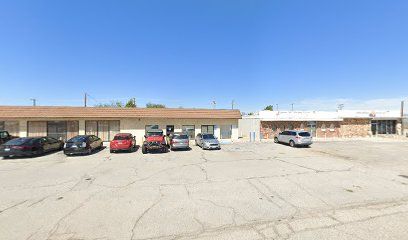
Western Pacific Re Hab Western Pacific Lancaster RH
Lancaster, CA
- Detox
- Outpatient
- MAT
Substance use treatment · All Clients in Opioid Treatment Program · SAMHSA-certified Opioid Treatment Program
Accepts: Cash or self-payment, Medicaid, Medicare
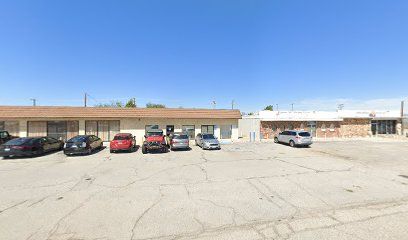
Western Pacific Med Corp Western Pacific Lancaster
Lancaster, CA
- Detox
- Outpatient
- MAT
Substance use treatment · All Clients in Opioid Treatment Program · SAMHSA-certified Opioid Treatment Program
Accepts: Cash or self-payment, Medicaid, Private health insurance
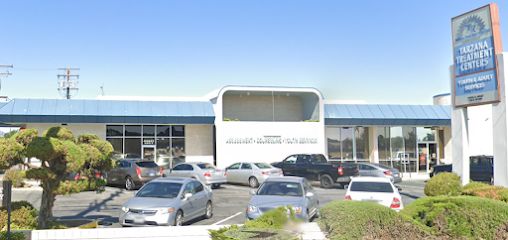
Tarzana Treatment Centers Inc Outpatient Services
Lancaster, CA
- IOP
Substance use treatment · Does not treat opioid addiction · Cognitive behavioral therapy
Accepts: Cash or self-payment, Medicaid, Medicare
Tarzana Treatment Centers Inc TTC Youth Services/Lancaster
Lancaster, CA
- IOP
Substance use treatment · Does not treat opioid addiction · Dialectical behavior therapy
Accepts: Cash or self-payment, Medicaid, State-financed health insurance plan other than Medicaid