

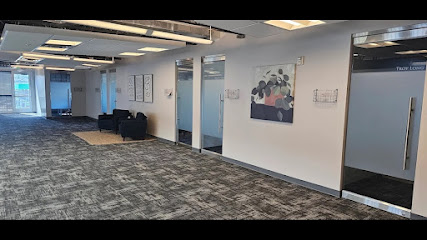
At a Glance
Location
1481 East Pioneer Road, Draper, UT 84020
Phone
801-679-6669Primary Focus
Treatment Settings
Treatment Approaches
Special Programs
About Deer Hollow Recovery
Deer Hollow Recovery in Draper, Utah, has built its reputation around trauma, PTSD, and addiction treatment — with a particular focus on first responders, veterans, and healthcare professionals navigating co-occurring disorders. The center offers residential treatment, an outpatient program, and an intensive outpatient program (IOP), supported by an alumni program and family support services that extend care well beyond the initial treatment stay.
Deer Hollow Recovery and Wellness Centers, located in Draper, Utah at the base of the Wasatch Mountains, describe themselves as a national leader in trauma, PTSD, and addiction treatment. Operating since 2015 through their flagship program, Pioneer House, the center runs in a private, non-hospital setting with premium amenities and deliberately limits client population size to ensure meaningful clinician engagement — a structural choice that sets it apart from larger residential treatment facilities.
The recovery center offers three levels of care: residential treatment, a standard outpatient program, and an intensive outpatient program (IOP). This continuum allows clients to step down through levels of structure as they build stability, making Deer Hollow a viable long-term recovery partner rather than a single-episode intervention. Residential treatment provides the most immersive environment, while the IOP and outpatient program support the transition back into daily life without losing clinical momentum.
Deer Hollow's therapeutic framework draws on a wide range of modalities documented in their confirmed clinical programming: Cognitive Behavioral Therapy (CBT), Dialectical Behavior Therapy (DBT), Cognitive Processing Therapy (CPT), Internal Family Systems (IFS), Schema Therapy, Psychodrama Therapy, Equine Assisted Therapy, Mind-body Bridging (MBB), Self-compassion Therapy, and Shame Resilience work. The center treats addiction alongside co-occurring conditions including trauma, PTSD, anxiety, depression, and dual diagnosis presentations — addressing the full clinical picture rather than substance use in isolation. An alumni program and family support program are built into their aftercare model, reinforcing the recovery community that participants enter after formal treatment ends.
Deer Hollow specifically serves first responders — including law enforcement, firefighters, EMTs, EMS, dispatchers, and nurses — as well as veterans and individuals in corrections. TRICARE is accepted alongside private insurance and self-pay options, making the center accessible to many within the military and first responder communities it prioritizes. For families and individuals looking for a recovery center that understands the specific stressors of high-risk occupations and complex trauma, Deer Hollow's focused population approach offers something meaningfully different from a generalist addiction treatment program.
Residential Treatment and Outpatient Programs at Deer Hollow Recovery
Deer Hollow Recovery offers a structured continuum of care designed to carry people through the full arc of recovery — from initial residential treatment through to outpatient programming that supports reintegration into work and family life. Their residential treatment program places clients in a private, non-hospital environment nestled near the Wasatch Mountains in Draper, Utah, with the kind of setting and amenities more typically associated with private wellness facilities than a standard addiction treatment center.
For those who have completed residential treatment or whose clinical needs don't require full-time residential placement, Deer Hollow's Intensive Outpatient Program (IOP) and standard outpatient program provide continuing clinical structure. This step-down model is central to sustainable recovery — it reduces the abrupt transition that often contributes to relapse after residential discharge. The alumni program and family support program extend Deer Hollow's reach even further, connecting participants to a recovery community that persists after formal programming ends.
Trauma-Informed Addiction Treatment for First Responders and Veterans
Deer Hollow Recovery has built its clinical identity around a population that addiction treatment has historically underserved: first responders, veterans, nurses, and others whose professional roles expose them to repeated trauma. Law enforcement officers, firefighters, EMTs, EMS personnel, dispatchers, and corrections professionals often carry occupational trauma that intersects with substance abuse and mental health conditions in ways that generalist programs aren't equipped to address. At Deer Hollow, these individuals are treated alongside peers who understand that context — which changes the dynamic of group work and peer support considerably.
Veterans, who may access care through TRICARE, are also a named population at the center. The clinical programming addresses co-occurring disorders including PTSD, anxiety, depression, and dual diagnosis presentations — conditions that frequently accompany addiction in these communities. Therapeutic approaches such as Cognitive Processing Therapy (CPT), which was developed specifically for PTSD treatment, and Internal Family Systems (IFS) reflect a clinical orientation built around trauma resolution alongside substance abuse treatment, not separate from it.
Aftercare, Alumni Support, and the Recovery Community at Deer Hollow
Recovery doesn't end at discharge — and Deer Hollow's structure reflects that reality. The center maintains both an alumni program and a family support program as confirmed components of their aftercare model. For a recovery community audience, these aren't peripheral offerings; they are what distinguish a treatment center from a temporary intervention. Alumni networks provide accountability, peer connection, and a community identity that research consistently links to better long-term recovery outcomes.
The family support program acknowledges that addiction and trauma affect entire households, not just the individual in treatment. Family members of people in residential treatment or outpatient programs at Deer Hollow have access to structured support — an important consideration for those evaluating whether a center is invested in long-term recovery or primarily in the acute treatment episode. For people planning their next steps in recovery, or supporting a loved one in that process, Deer Hollow's aftercare architecture is worth examining as part of the overall decision.
Insurance and Payment Options at Deer Hollow Recovery in Draper, UT
Deer Hollow Recovery accepts private insurance, TRICARE, and self-pay arrangements. The center notes that while Medicaid and Medicare are listed as payment methods, Deer Hollow is not contracted with either program — individuals with Medicaid or Medicare coverage should contact the facility directly to discuss their options before assuming coverage will apply.
TRICARE acceptance is particularly significant for the veteran and active-duty populations the center serves. For those with private insurance, the admissions team can provide guidance on what coverage may apply to residential treatment, IOP, or outpatient programming. The center's office hours run seven days a week, 9 a.m. to 4 p.m., and they can be reached at (801) 679-6669 for questions about benefits verification and program placement.
Why Choose Deer Hollow Recovery
- Nationally recognized trauma and PTSD specialty integrated directly into addiction treatment — not offered as an add-on
- Dedicated programming for first responders, veterans, nurses, dispatchers, and corrections professionals who rarely find peer-matched treatment communities
- Small client populations by design, ensuring each person receives substantive clinician engagement rather than group-only care
- A documented continuum from residential treatment through IOP and outpatient, supported by an alumni program and family support program for long-term recovery
- Ten distinct therapy modalities on record — including Equine Assisted Therapy, Psychodrama, and Internal Family Systems — addressing trauma and addiction from multiple clinical directions
Frequently Asked Questions
What levels of care does Deer Hollow Recovery offer for people in ongoing recovery?
Deer Hollow Recovery offers three levels of care: residential treatment, an intensive outpatient program (IOP), and a standard outpatient program. This continuum is designed to support people through different phases of recovery — from the structure of residential treatment to the flexibility of outpatient programming as they reintegrate into daily life. An alumni program and family support program are also in place to sustain recovery after formal treatment ends.
Does Deer Hollow Recovery specialize in treating first responders and veterans?
Yes. Deer Hollow explicitly serves first responders including law enforcement, firefighters, EMTs, EMS personnel, dispatchers, and nurses, as well as veterans and individuals in corrections. These populations are treated alongside peers with similar professional backgrounds, which shapes the group therapy and peer support experience in ways that general addiction treatment programs typically cannot replicate.
What co-occurring conditions does Deer Hollow treat alongside addiction?
Deer Hollow treats a range of co-occurring disorders alongside addiction, including trauma and PTSD, anxiety, depression, dual diagnosis presentations, insomnia, and suicidal ideation. Their clinical programming addresses mental health conditions as central to treatment rather than as secondary concerns, which is particularly relevant for clients whose substance use is connected to occupational trauma or chronic stress.
What therapy approaches are used at Deer Hollow Recovery?
Deer Hollow's clinical programming includes Cognitive Behavioral Therapy (CBT), Dialectical Behavior Therapy (DBT), Cognitive Processing Therapy (CPT), Internal Family Systems (IFS), Schema Therapy, Psychodrama Therapy, Equine Assisted Therapy, Mind-body Bridging (MBB), Self-compassion Therapy, and Shame Resilience work. The breadth of these modalities reflects the center's orientation toward trauma alongside addiction — CPT, for example, was developed specifically for PTSD treatment.
Does Deer Hollow Recovery have an alumni program for people after they complete treatment?
Yes. Deer Hollow maintains a confirmed alumni program as part of their aftercare support structure. Alumni programs are an important component of sustained recovery, providing community connection and accountability beyond the formal treatment period. A family support program is also available, recognizing that recovery affects the people closest to someone in treatment as well.
What insurance does Deer Hollow Recovery accept?
Deer Hollow accepts private insurance, TRICARE, and self-pay. Medicaid and Medicare are listed as payment options, but the center notes it is not contracted with either program — prospective clients with Medicaid or Medicare should contact Deer Hollow directly to clarify coverage before beginning the admissions process. TRICARE acceptance makes the center accessible to many veterans and active-duty service members.
Where is Deer Hollow Recovery located, and how can I contact them?
Deer Hollow Recovery is located at 13867 S Bangerter Pkwy, Suite 201, Draper, UT 84020, in Salt Lake County. The center can be reached by phone at (801) 679-6669. Office hours run seven days a week from 9 a.m. to 4 p.m., and their website is deerhollowrecovery.com.
Is Deer Hollow Recovery a hospital-based facility or a private setting?
Deer Hollow operates in a private, non-hospital setting with premium amenities — it is not a clinical hospital environment. The center also deliberately maintains smaller client populations to ensure meaningful engagement between clinicians and clients, a structural distinction from larger residential treatment facilities.
Does Deer Hollow offer family support for loved ones of people in treatment?
Yes. A family support program is a confirmed part of Deer Hollow's aftercare and support structure. This recognizes that addiction and trauma affect families, not just individuals, and provides structured support for those close to someone in residential treatment or an outpatient program at the center.
What makes Deer Hollow Recovery different from other rehab centers in Utah?
Deer Hollow distinguishes itself through its dual focus on trauma and addiction treatment, its specialized programs for first responders, veterans, and healthcare workers, and its use of ten distinct therapy modalities that include trauma-specific approaches like CPT and IFS. The center's small client population model and its continuum of care — from residential treatment through IOP and outpatient — along with alumni and family support programs, make it a recovery partner oriented toward long-term outcomes.
Nearby Treatment Centers
Corner Canyon Recovery
Draper, UT
- Residential
- PHP
- IOP
- MAT
Substance use treatment · Accepts clients on opioid medication but prescribed elsewhere · Cognitive behavioral therapy
Accepts: Cash or self-payment, Private health insurance, Sliding fee scale
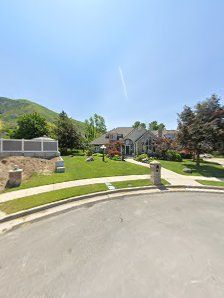
Healing Science Retreat
Draper, UT
- Detox
- Residential
Accepts clients on opioid medication but prescribed elsewhere · Substance abuse counseling · Smoking permitted in designated area
Accepts: Cash or self-payment, Private health insurance, Military insurance
Inner Peace Wellness Center
Sandy, UT
- Outpatient
Substance use treatment · Does not use medication for opioid addiction · Cognitive behavioral therapy
Accepts: Cash or self-payment, Private health insurance
Sober Living Properties Draper House
Draper, UT
- Detox
- Residential
- PHP
- IOP
Substance use treatment · Accepts clients on opioid medication but prescribed elsewhere · Cognitive behavioral therapy
Accepts: Cash or self-payment, Medicaid, Private health insurance
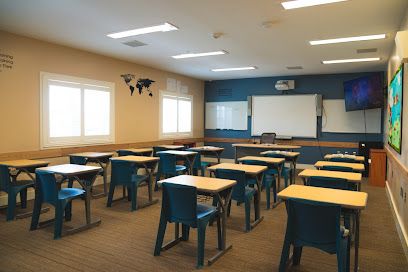
Youth Care of Utah
Draper, UT
- Residential
Substance use treatment · Does not use medication for opioid addiction · Cognitive behavioral therapy
Accepts: Cash or self-payment, Private health insurance
Phoenix Recovery Center LLC Draper
Draper, UT
- PHP
- IOP
- MAT
Substance use treatment · Accepts clients on opioid medication but prescribed elsewhere · Cognitive behavioral therapy
Accepts: Cash or self-payment, State-financed health insurance plan other than Medicaid, Private health insurance