

 1 / 3
1 / 3At a Glance
Location
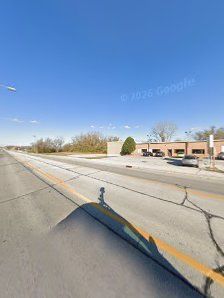
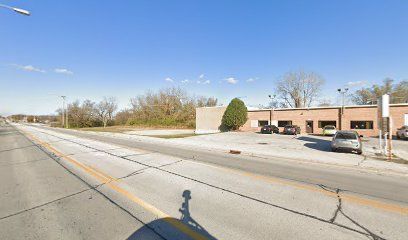
3 Riverview Drive, Manitowoc, WI 54220
Phone
920-663-1035Primary Focus
Treatment Settings
Treatment Approaches
Special Programs
About CORE Treatment Services Inc
CORE Treatment Services Inc in Manitowoc, WI offers residential treatment and outpatient programs for adults navigating addiction and co-occurring mental health conditions. With dedicated support for veterans, women, pregnant women, seniors, and court-ordered individuals, CORE brings structured community-based recovery to Manitowoc, Waupaca, and Shawano counties. Aftercare through peer support, sober living, and recovery coaching keeps the recovery community connected well beyond discharge.
CORE Treatment Services Inc is a residential addiction treatment and behavioral health facility located at 3 Riverview Drive in Manitowoc, Wisconsin, with additional locations serving Waupaca and Shawano. Operating 24 hours a day, CORE provides structured, supportive care to adults across northeastern Wisconsin who are looking for more than a short-term fix — they are building lasting recovery. The center treats not only substance use but also co-occurring conditions including trauma and PTSD, depression, anxiety, OCD, and dual diagnosis, making it a comprehensive recovery center for people whose needs go beyond addiction alone.
CORE offers two primary levels of care: residential treatment for those who need an immersive, live-in environment to establish early recovery, and an outpatient program — including an Intensive Outpatient Program — for people who are stepping down from residential care or maintaining recovery while living in the community. Both levels are designed to address the full scope of a person's recovery, not just acute stabilization. The availability of both residential and outpatient options within the same system means clients can move through the continuum of care without losing their clinical relationships or community connections.
The clinical approach at CORE draws on Cognitive Behavioral Therapy (CBT), Dialectical Behavior Therapy (DBT), trauma-informed care, and individual counseling. Peer support is embedded throughout the program — not as an add-on, but as a core feature of daily life at the facility. This reflects CORE's broader philosophy that recovery happens in relationship with others, not in isolation. Trauma-informed care is woven into every level of service, recognizing that unresolved trauma is frequently at the root of both substance use and co-occurring mental health conditions.
CORE specifically serves veterans, pregnant women, women, seniors and older adults, individuals with HIV/AIDS support needs, and court-ordered clients — populations that often require more specialized, culturally responsive care than a general-population program can offer. Aftercare is built in from the start, with peer support, sober living connections, recovery coaching, and community-based programs available to help clients maintain their footing after residential or outpatient treatment ends. CORE accepts Medicaid, private insurance, TRICARE, state insurance, and self-pay, making addiction treatment and recovery services accessible to a wide range of individuals and families across the region.
Residential Treatment and Outpatient Programs in Manitowoc, WI
CORE Treatment Services offers two distinct levels of care designed to meet people wherever they are in their recovery. Residential treatment provides a structured, around-the-clock environment for individuals who need full immersion to begin building a stable foundation. The outpatient program — which includes an Intensive Outpatient Program — serves those who are stepping down from residential care or who can sustain recovery while living at home or in a sober living setting.
Having both levels under one roof means the transition from residential to outpatient is a continuation of care, not a handoff to strangers. Clients carry their clinical relationships and peer connections with them as they move through the continuum, which research consistently identifies as a protective factor in long-term recovery. CORE's 24-hour operating schedule reflects its commitment to being available whenever the recovery community needs support.
Co-Occurring Disorders and Trauma-Informed Care at CORE
Addiction rarely arrives alone. At CORE Treatment Services, the treatment model is built to address co-occurring conditions alongside substance use — including trauma and PTSD, depression, anxiety, OCD, and dual diagnosis presentations. Trauma-informed care is not a separate track at CORE; it shapes how staff interact with clients across every program and every level of care.
Clinical services include Cognitive Behavioral Therapy (CBT), Dialectical Behavior Therapy (DBT), and individual counseling, giving clients access to multiple therapeutic frameworks depending on what their recovery requires. This integrated approach to mental health and addiction treatment is especially important for populations like veterans and individuals with trauma histories, who may not respond to substance abuse treatment that ignores the underlying conditions driving use.
Aftercare, Sober Living, and the Recovery Community at CORE
Recovery doesn't end at discharge, and CORE Treatment Services structures its aftercare to reflect that reality. Peer support, recovery coaching, sober living connections, and community-based programs are all part of what CORE offers to clients as they transition out of residential treatment or step down from the outpatient program. These aren't afterthoughts — they are confirmed features of the facility's recovery support system.
Peer support in particular is woven throughout the CORE experience, both during treatment and after. For family members supporting a loved one, knowing that their person will have ongoing connection to a recovery community — not just a discharge packet — is often one of the most meaningful things a treatment center can offer. CORE's multi-location presence across Manitowoc, Waupaca, and Shawano counties also means that community-based support is accessible close to where clients actually live.
Who CORE Treatment Services Serves
CORE Treatment Services has built its programs around populations that frequently face barriers to accessing quality addiction treatment and mental health care. Veterans can access services through TRICARE, and the program's trauma-informed framework is well-suited to the specific experiences many veterans bring into treatment. Pregnant women, seniors and older adults, women, individuals with HIV/AIDS support needs, and court-ordered clients are all explicitly served within CORE's residential and outpatient programs.
On the financial side, CORE accepts Medicaid, private insurance, TRICARE, state insurance, and self-pay, covering a broad range of payment options so that cost is less likely to be a barrier to starting or continuing treatment. For families in Manitowoc County and the surrounding region looking for a recovery center that can address the full picture — not just the acute crisis — CORE Treatment Services offers a grounded, community-connected option.
Why Choose CORE Treatment Services Inc
- Three-county service footprint covering Manitowoc, Waupaca, and Shawano — rare regional reach for a single recovery center
- Specialized programming for veterans, pregnant women, seniors, and court-ordered clients within the same residential treatment setting
- Peer support and recovery coaching embedded as core program features, not optional add-ons, supporting the long-term recovery community
- Trauma-informed care and dual diagnosis treatment integrated across both residential and outpatient levels of care
- Built-in aftercare continuum — sober living connections, recovery coaching, and community-based programs keep clients connected after discharge
Frequently Asked Questions
What levels of care does CORE Treatment Services offer?
CORE Treatment Services offers residential treatment and an outpatient program, which includes an Intensive Outpatient Program. Residential treatment provides a live-in, structured environment for people building early recovery, while the outpatient program supports those who are stepping down from residential care or maintaining recovery in the community. Both levels are available at their Manitowoc location, with services also extending to Waupaca and Shawano.
Does CORE Treatment Services address mental health conditions alongside addiction?
Yes. CORE treats co-occurring disorders and dual diagnosis as a core part of its services, not a specialty add-on. Conditions treated include trauma and PTSD, depression, anxiety, and OCD, alongside substance use. Trauma-informed care and therapies such as CBT and DBT are used throughout the program to address both addiction and underlying mental health needs.
What aftercare and sober living support does CORE offer after treatment?
CORE provides peer support, recovery coaching, sober living connections, and community-based programs as part of its aftercare support structure. These services are designed to keep clients connected to the recovery community after they leave residential treatment or complete the outpatient program. Continued peer support and coaching are central to how CORE approaches long-term recovery.
Which specific populations does CORE Treatment Services specialize in serving?
CORE specifically serves veterans, pregnant women, women, seniors and older adults, individuals with HIV/AIDS support needs, and court-ordered clients. These populations often require more tailored, culturally responsive care, and CORE's programs are structured to meet those needs within both the residential and outpatient settings.
Does CORE Treatment Services accept Medicaid or insurance?
CORE accepts Medicaid, private insurance, TRICARE, state insurance, and self-pay. TRICARE coverage makes the center a practical option for veterans and active military families in the region. Clients are encouraged to contact CORE directly at (920) 663-1035 or [email protected] to discuss their specific coverage and payment options.
What therapeutic approaches does CORE use in its addiction treatment programs?
CORE's clinical program draws on Cognitive Behavioral Therapy (CBT), Dialectical Behavior Therapy (DBT), trauma-informed care, and individual counseling. Peer support is also embedded throughout the program as an active component of treatment, not just a supplemental resource. This combination is used across both residential treatment and the outpatient program.
Where does CORE Treatment Services operate, and what areas does it serve?
CORE Treatment Services is headquartered at 3 Riverview Drive in Manitowoc, Wisconsin, and operates additional locations in Waupaca and Shawano. The center's service area covers Manitowoc, Waupaca, and Shawano counties, making it one of the more regionally accessible addiction treatment and recovery options in northeastern Wisconsin. The facility operates 24 hours a day.
Is CORE Treatment Services a good fit for someone who needs both addiction treatment and mental health support?
CORE is specifically designed to serve people with co-occurring disorders — meaning both substance use and conditions like depression, anxiety, PTSD, or OCD are addressed within the same treatment setting. The integration of trauma-informed care across all programs means clients do not have to choose between addiction recovery and mental health treatment. Both residential and outpatient tracks incorporate this dual-focus approach.
How can a family member support someone entering residential treatment at CORE?
Family members can begin by contacting CORE directly at (920) 663-1035 or [email protected] to understand what the residential treatment process looks like. CORE's aftercare structure — including peer support, recovery coaching, and community-based programs — means families can expect their loved one to have ongoing support after the residential phase ends. Understanding that recovery is a longer-term process, not a single event, is one of the most important ways a family can prepare.
What makes CORE Treatment Services different from other rehab centers in Wisconsin?
CORE stands out for its combination of residential and outpatient treatment within a multi-county service area spanning Manitowoc, Waupaca, and Shawano. The center's specific focus on veterans, pregnant women, seniors, and court-ordered clients — alongside integrated trauma and dual diagnosis care — reflects a program built for populations that are often underserved by general-population rehab facilities. Built-in aftercare through sober living, peer support, and recovery coaching further distinguishes CORE as a long-term recovery partner rather than just an acute treatment stop.
Nearby Treatment Centers
MARCO Services Inc
Manitowoc, WI
- Residential
- MAT
- Sober Living
Substance use treatment · Cognitive behavioral therapy · Dialectical behavior therapy
Accepts: Cash or self-payment, Sliding fee scale
Nett Work Family Counseling LLC
Manitowoc, WI
- Outpatient
Substance use treatment · Accepts clients on opioid medication but prescribed elsewhere · Cognitive behavioral therapy
Accepts: Cash or self-payment, Medicaid, Medicare
Holy Family Memorial Behavioral Health
Manitowoc, WI
- Detox
- Outpatient
- MAT
Substance use treatment · Cognitive behavioral therapy · Dialectical behavior therapy
Accepts: Cash or self-payment, Medicaid, Medicare
Phoenix Behav Hlth Services LLC
Two Rivers, WI
- Outpatient
Substance use treatment · Accepts clients on opioid medication but prescribed elsewhere · Cognitive behavioral therapy
Accepts: Cash or self-payment, Medicaid, Medicare
Pathways to a Better Life LLC
Kiel, WI
- Detox
- Residential
- PHP
- IOP
Substance use treatment · Accepts clients on opioid medication but prescribed elsewhere · Cognitive behavioral therapy
Accepts: Cash or self-payment, Private health insurance
Pathways To A Better Life LLC
Kiel, WI
- PHP
- IOP
- MAT
Substance use treatment · Accepts clients on opioid medication but prescribed elsewhere · Cognitive behavioral therapy
Accepts: Cash or self-payment, Medicaid, Private health insurance