


At a Glance
Location
1515 Bath Street, Santa Barbara, CA 93101
Phone
805-966-1260 x1Website
http://www.casaserena.orgPrimary Focus
Treatment Settings
Treatment Approaches
Special Programs
About Casa Serena Main House
Casa Serena is a women's residential treatment and recovery center in Santa Barbara, California, offering medical detox, residential treatment, and outpatient programming with a trauma-focused approach. Serving women across Southern and Northern California, the center pairs structured clinical care with a lifetime aftercare program and transitional living support designed for lasting recovery.
Casa Serena, located at 1515 Bath St in Santa Barbara, California, is a women's addiction treatment and recovery center built around a trauma-focused model of care. Exclusively serving women — including pregnant women, mothers, seniors, women veterans, and court-ordered clients — Casa Serena operates 24 hours a day, seven days a week, drawing clients from across the state, including Los Angeles, San Diego, Orange County, Ventura, and San Francisco. The center's identity is rooted in addressing both substance use and the underlying experiences that often fuel it, placing it firmly in the category of long-term recovery partner rather than a short-term fix.
The continuum of care at Casa Serena spans three levels: medical detox, residential treatment, and an outpatient program. This full spectrum means women can begin the recovery process under medical supervision and move through structured residential care before transitioning into outpatient support — all within the same treatment community. The on-site transitional living home extends that continuum further, giving women a sober living option as they rebuild daily life before returning fully to the community.
Clinically, Casa Serena addresses a wide range of co-occurring disorders alongside substance use, including trauma and PTSD, depression, anxiety and panic disorder, bipolar disorder, borderline personality disorder, grief and loss, and eating disorders. Cognitive Behavioral Therapy and behavioral activation anchor the therapeutic work, while practical programming such as job readiness, continuing education, and parenting programs reflects the center's recognition that sustainable recovery requires rebuilding the whole of a woman's life — not just achieving abstinence. The lifetime aftercare program, which includes education and career change support and transitional living resources, underscores a genuine commitment to what happens after residential treatment ends.
Casa Serena serves women who need more than a clinical bed — they serve women who are ready to invest in a full recovery community. Populations include pregnant women and mothers navigating recovery alongside parenting responsibilities, women veterans with trauma histories, older adults, and those entering treatment through the court system. Private insurance is accepted through Aetna, Anthem, Magellan, Optum, and First Health, and self-pay options are available. The center does not currently accept Medicare, Medi-Cal, or Cen-Cal plans. Reach the admissions team at (866) 936-9740 or [email protected].
A Full Recovery Continuum for Women in Santa Barbara
Casa Serena is structured so that women do not have to piece together their recovery across multiple unconnected facilities. Medical detox, residential treatment, and an outpatient program exist under one roof, allowing clients to progress through each phase of care without losing the therapeutic relationships and community they have built. For women who need additional time before returning to independent living, the on-site transitional living home provides a sober, supportive environment as that transition unfolds.
This continuum matters particularly for the populations Casa Serena serves — pregnant women, mothers, women veterans, seniors, and court-ordered clients often carry complex needs that require continuity rather than fragmented episodic care. The center's 24/7 operation ensures that support is never more than a conversation away, regardless of where a woman is in her recovery journey.
Treating the Whole Person: Co-Occurring Disorders and Dual Diagnosis Care
Substance use rarely travels alone. Casa Serena's treatment model directly addresses co-occurring mental health conditions alongside addiction, with clinical capacity to treat trauma and PTSD, depression, anxiety and panic disorder, bipolar disorder, borderline personality disorder, OCD, mood disorders, grief and loss, and eating disorders including anorexia, bulimia, binge eating disorder, and ARFID. This dual diagnosis orientation is not an add-on — it is central to how the center conceptualizes addiction treatment.
Cognitive Behavioral Therapy and behavioral activation provide the clinical backbone, while practical life-skills programming — job readiness, continuing education, and parenting programs — prepares women to sustain their recovery in the real world. The goal is not simply to complete a program but to leave with the tools, stability, and community connections that make lasting recovery achievable.
Lifetime Aftercare and Transitional Living: Recovery Beyond Residential
One of Casa Serena's most distinctive commitments is its lifetime aftercare program. Where many residential treatment centers hand clients a discharge plan and a list of phone numbers, Casa Serena builds the expectation of ongoing connection directly into its model. Aftercare support includes education and career change resources alongside transitional living placement — recognizing that financial stability and purposeful daily structure are as important to sustained sobriety as any clinical intervention.
The center's transitional living home in Santa Barbara gives women a concrete next step after residential treatment, offering a sober living environment within the community they have come to know during treatment. For women in recovery who are also navigating parenting, re-entering the workforce, or rebuilding after significant life disruption, these aftercare pathways represent meaningful, practical support rather than abstract encouragement.
Who Casa Serena Serves and How to Get Started
Casa Serena exclusively serves women, with specialized programming for populations whose needs are often underserved in mixed-gender treatment settings: pregnant women, mothers with children, women veterans, seniors and older adults, and individuals entering treatment through the court system. The center draws clients from Santa Barbara County and well beyond, with a service area that includes Los Angeles, Orange County, San Diego, Ventura, San Francisco, and communities throughout Northern and Central California.
Private insurance is accepted through Aetna, Anthem, Magellan, Optum, and First Health. Self-pay arrangements are also available. Casa Serena does not currently accept Medicare, Medi-Cal, or Cen-Cal plans. The admissions team is available around the clock — call (866) 936-9740 or email [email protected] to begin a conversation about residential treatment, outpatient programming, or transitional living options.
Why Choose Casa Serena Main House
- Women-only rehab with a trauma-focused approach serving a wide range of populations including pregnant women, mothers, women veterans, and seniors
- Full continuum from medical detox through residential treatment and outpatient programming — all within the same recovery community
- On-site transitional living home bridges the gap between residential treatment and independent sober living
- Lifetime aftercare program with education, career change support, and transitional living resources for sustained long-term recovery
- Specialized programming for mothers and parents, including parenting programs and job readiness, addressing recovery in the full context of a woman's life
Frequently Asked Questions
Does Casa Serena offer medical detox for women entering residential treatment?
Yes. Medical detox is one of the confirmed levels of care at Casa Serena, allowing women to begin the recovery process under medical supervision before transitioning into residential treatment. Having detox and residential care in the same program supports continuity and helps women maintain the clinical relationships they build from day one.
What levels of care does Casa Serena provide?
Casa Serena offers three levels of care: medical detox, residential treatment, and an outpatient program. This full continuum allows women to move through progressively independent stages of recovery within the same treatment community rather than transferring between unrelated facilities.
Is Casa Serena a women-only rehab center?
Yes. Casa Serena exclusively serves women. The center has specialized programming for pregnant women, mothers, women veterans, seniors and older adults, and court-ordered clients — populations that often benefit from a treatment environment designed specifically around their experiences and needs.
Does Casa Serena have a sober living or transitional living option?
Yes. Casa Serena operates an on-site transitional living home in Santa Barbara, providing women with a structured sober living environment after completing residential treatment. This step-down option is part of the center's broader aftercare support, which also includes education, career change resources, and a lifetime aftercare program.
What is the lifetime aftercare program at Casa Serena?
Casa Serena's lifetime aftercare program is a long-term support structure for women who have completed treatment. It includes education and career change guidance and transitional living resources. Rather than ending at discharge, the program is designed to remain available to alumni as an ongoing connection to the recovery community.
Does Casa Serena treat co-occurring mental health conditions alongside addiction?
Yes. Casa Serena is equipped to treat a wide range of co-occurring conditions, including trauma and PTSD, depression, anxiety and panic disorder, bipolar disorder, borderline personality disorder, grief and loss, eating disorders, and OCD, among others. Dual diagnosis treatment is a core part of the center's approach, not a secondary offering.
What insurance plans does Casa Serena accept?
Casa Serena accepts private insurance through Aetna, Anthem, Magellan, Optum, and First Health. Self-pay arrangements are also available. The center does not currently accept Medicare, Medi-Cal, or Cen-Cal plans. Contacting the admissions team directly at (866) 936-9740 is the best way to confirm current coverage details.
What areas does Casa Serena serve?
While Casa Serena is based in Santa Barbara, it serves women from across California, including Los Angeles, Orange County, San Diego, Ventura, San Francisco, Santa Maria, Lompoc, and communities throughout Northern California. Many women travel to Santa Barbara specifically for the residential and transitional living programs.
Does Casa Serena offer programming specifically for mothers in recovery?
Yes. Parenting programs are among the confirmed therapeutic offerings at Casa Serena. The center serves mothers as a distinct population, recognizing that women navigating recovery alongside parenting responsibilities benefit from programming that addresses both dimensions of their lives directly.
How can I contact Casa Serena to inquire about admission?
Casa Serena's admissions team is available 24 hours a day, seven days a week. You can reach them by phone at (866) 936-9740 or by email at [email protected]. The center is located at 1515 Bath St, Santa Barbara, CA 93101, and their website is casaserena.org.
Nearby Treatment Centers
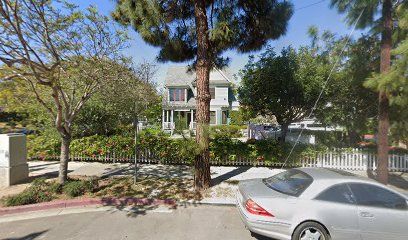
Sanctuary Centers of Santa Barbara
Santa Barbara, CA
- IOP
Substance use treatment · Accepts clients on opioid medication but prescribed elsewhere · Cognitive behavioral therapy
Accepts: Cash or self-payment, Medicare
Santa Barbara Rescue Mission Bethel House
Santa Barbara, CA
- Residential
Substance use treatment · Does not use medication for opioid addiction · Cognitive behavioral therapy
Accepts: Payment assistance
Sanctuary Arlington Day Treatment Ctr
Santa Barbara, CA
- IOP
Substance use treatment · Accepts clients on opioid medication but prescribed elsewhere · Cognitive behavioral therapy
Accepts: Cash or self-payment, Medicare, Military families
Good Heart Recovery Addiction and Mental Health Treatment
Santa Barbara, CA
- PHP
- IOP
- MAT
Substance use treatment · Does not use medication for opioid addiction · Cognitive behavioral therapy
Accepts: Cash or self-payment, State-financed health insurance plan other than Medicaid, Private health insurance
Zona Seca Inc Substance Abuse Agency
Santa Barbara, CA
- Outpatient
Substance use treatment · Accepts clients on opioid medication but prescribed elsewhere · Cognitive behavioral therapy
Accepts: Cash or self-payment, Sliding fee scale
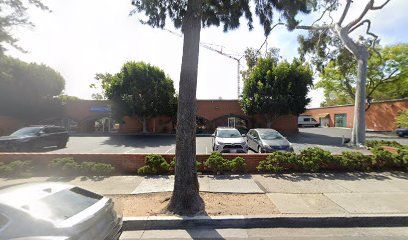
Council on Alcoholism and Drug Abuse Adult Residential Treatment Services
Santa Barbara, CA
- Detox
- Residential
Substance use treatment · Accepts clients on opioid medication but prescribed elsewhere · Cognitive behavioral therapy
Accepts: Cash or self-payment, State-financed health insurance plan other than Medicaid, Private health insurance