

 1 / 3
1 / 3At a Glance
Primary Focus
Treatment Settings
Treatment Approaches
Special Programs
About Bridges of Hope
Bridges of Hope in Anderson, Indiana offers a full continuum of addiction treatment — from medical detox through residential treatment and outpatient programs — serving adults, military members, and first responders across Madison County and beyond. With 24-hour availability and a clinical team led by a Board Certified Addiction Medicine physician, the recovery center provides structured, multi-level care for substance use disorders, alcohol use disorder, and co-occurring conditions.
Bridges of Hope is a substance use treatment center located at 2200 Madison Square in Anderson, Indiana, serving individuals and families in the Anderson and Noblesville areas seeking a comprehensive recovery center that can meet them at any stage of their recovery journey. The facility operates around the clock, meaning the door to treatment is open whenever someone is ready — a practical reality that matters when readiness rarely arrives on a schedule. Under the clinical leadership of Medical Director Dr. William Cooke, who is Board Certified in Addiction Medicine, and Clinical Director Jarren Mattingly, LCSW, Bridges of Hope offers a depth of medical and clinical oversight that distinguishes it from many Indiana treatment programs.
The center offers one of the most complete continuums of care available in the region. Medical detox provides the first step for those who need supervised withdrawal management before engaging in deeper therapeutic work. From there, the residential treatment program allows individuals to remain immersed in recovery without the distractions of daily life. For those stepping down from residential care — or who need structured support without full-time residency — Bridges of Hope offers a Partial Hospitalization Program (PHP), an Intensive Outpatient Program (IOP), and a standard outpatient program, creating a clear pathway through the stages of recovery rather than a single point of intervention.
Cognitive Behavioral Therapy (CBT) anchors the clinical approach at Bridges of Hope, giving people in treatment concrete skills to identify and change the thought patterns that fuel addictive behavior. The center treats substance use disorders, alcohol use disorder, and co-occurring or dual diagnosis conditions, acknowledging that mental health and addiction rarely travel alone. Payment options include Medicaid, private insurance, TRICARE, state insurance, and self-pay, making the program accessible to a broad range of individuals regardless of financial situation.
Bridges of Hope specifically serves adults, with dedicated attention to military personnel and first responders — populations whose experiences with trauma, duty, and stigma around seeking help require a treatment environment that understands their unique pressures. For families evaluating a long-term recovery partner rather than a short-term fix, the center's ability to carry someone from medical detox all the way through outpatient aftercare within a single, connected program represents a meaningful advantage in sustaining recovery over time.
A Full Recovery Continuum: From Medical Detox to Outpatient Care
One of the defining features of Bridges of Hope is its ability to carry individuals through the entire arc of addiction treatment without requiring a transfer to a different facility. Medical detox — supervised by a team that includes a physician Board Certified in Addiction Medicine — provides a safe starting point for those managing withdrawal before they can fully engage in therapeutic programming. That clinical foundation matters because what happens in the earliest days of treatment often shapes what comes next.
After detox, the residential treatment program at Bridges of Hope allows individuals to live within a recovery-focused environment while building the skills and insight needed for lasting sobriety. The center's Partial Hospitalization Program, Intensive Outpatient Program, and standard outpatient program then create a stepwise path back to everyday life — each level offering progressively more independence while maintaining clinical accountability. For families researching long-term recovery options in Indiana, this kind of coordinated continuum is a practical indicator of a program designed around recovery, not just initial stabilization.
Serving Military, First Responders, and Adults in Recovery
Bridges of Hope in Anderson, Indiana occupies a specific role in the region's recovery community by actively serving military personnel and first responders alongside the general adult population. These groups — veterans, active-duty service members, paramedics, firefighters, law enforcement — often carry forms of occupational trauma and stress that intersect directly with substance use and alcohol use disorder, and they frequently encounter stigma that delays their entry into treatment. A recovery center that recognizes this population by name signals a different level of intentionality.
The acceptance of TRICARE alongside Medicaid, private insurance, and state insurance means financial barriers are reduced for service members and veterans who might otherwise assume treatment is out of reach. The CBT-grounded clinical approach offers a structured, skill-building framework well suited to individuals who respond to practical, goal-oriented work. For first responders and military members evaluating substance abuse treatment in Indiana, Bridges of Hope represents a program built to meet them where they are.
Clinical Leadership at Bridges of Hope
The clinical and medical team at Bridges of Hope reflects a center that takes the complexity of addiction seriously. Medical Director Dr. William Cooke brings Board Certification in Addiction Medicine — a credential that indicates advanced, specialized training in the medical dimensions of substance use disorders beyond general practice. Clinical Director Jarren Mattingly, LCSW, provides licensed clinical social work leadership to the therapeutic programming, overseeing the application of Cognitive Behavioral Therapy and the treatment of co-occurring and dual diagnosis conditions.
For individuals and families selecting a long-term recovery partner, leadership credentials matter because they shape the quality of care at every level of the program — from how withdrawal is managed medically to how trauma and mental health are addressed in therapy. The presence of both board-certified medical leadership and licensed clinical supervision within the same treatment center is a meaningful differentiator among Indiana rehab programs.
Understanding Your Payment Options at Bridges of Hope
Cost is one of the most common reasons people delay or avoid addiction treatment, and Bridges of Hope addresses this directly through a range of accepted payment methods. The center works with Medicaid, private insurance, TRICARE, and state insurance — covering a broad segment of the Indiana population — and also accepts self-pay and cash arrangements for those without insurance coverage.
TRICARE acceptance is particularly significant for veterans and active-duty military members in the Anderson and Noblesville, Indiana service area, as it removes a major logistical barrier to entering a residential treatment or outpatient program. Individuals unsure of their coverage can contact Bridges of Hope directly at (765) 358-7320 or by email at [email protected] to discuss their options before committing to a program.
Why Choose Bridges of Hope
- Full continuum from medical detox through outpatient — allowing individuals to move through every stage of recovery within one connected treatment program
- Medical Director Dr. William Cooke is Board Certified in Addiction Medicine, providing specialized physician oversight uncommon in many Indiana recovery centers
- Dedicated programming for military personnel and first responders, populations that often face unique barriers to seeking substance abuse treatment
- TRICARE accepted alongside Medicaid, private insurance, and state insurance — broadening access for veterans and active-duty service members
- 24-hour availability ensures that when someone is ready to begin recovery, Bridges of Hope is ready to respond
Frequently Asked Questions
What levels of care does Bridges of Hope offer for addiction treatment?
Bridges of Hope provides a full continuum of substance abuse treatment, including medical detox, residential treatment, Partial Hospitalization Program (PHP), Intensive Outpatient Program (IOP), and a standard outpatient program. This range allows individuals to begin treatment at the appropriate level of intensity and transition through lower levels of care as their recovery progresses, all within the same recovery center.
Does Bridges of Hope offer medical detox?
Yes. Medical detox is one of the levels of care offered at Bridges of Hope in Anderson, Indiana. The program is supported by Medical Director Dr. William Cooke, who is Board Certified in Addiction Medicine, providing physician-level oversight during the withdrawal and stabilization process.
Does Bridges of Hope treat co-occurring mental health conditions alongside addiction?
Yes. Bridges of Hope treats co-occurring and dual diagnosis conditions, meaning individuals dealing with both a substance use disorder and a mental health condition can receive integrated treatment at the center. This is addressed through the clinical programming, which includes Cognitive Behavioral Therapy (CBT) as a core therapeutic method.
Does Bridges of Hope serve veterans and military personnel?
Yes. Military personnel and veterans are among the specific populations served by Bridges of Hope. The center also accepts TRICARE, the health insurance program for uniformed service members, retirees, and their families, reducing financial barriers to residential treatment and outpatient programs for this population.
Does Bridges of Hope serve first responders?
Yes. First responders are explicitly among the populations served at Bridges of Hope. The center's recognition of this group reflects an awareness of the occupational stress and trauma that can contribute to substance use disorders among firefighters, law enforcement, paramedics, and other first responders.
What insurance does Bridges of Hope accept?
Bridges of Hope accepts Medicaid, private insurance, TRICARE, state insurance, and self-pay or cash. Specific coverage questions can be directed to the admissions team by calling (765) 358-7320 or emailing [email protected].
What therapeutic approach does Bridges of Hope use in treatment?
Cognitive Behavioral Therapy (CBT) is the confirmed therapeutic method used at Bridges of Hope. CBT is a structured, skill-focused approach that helps individuals in recovery identify and change the thinking patterns and behaviors connected to substance use. The center's Clinical Director, Jarren Mattingly, LCSW, leads the clinical programming.
What areas does Bridges of Hope serve?
Bridges of Hope primarily serves individuals in Anderson, Indiana and Noblesville, Indiana. The center is located at 2200 Madison Square in Anderson, in Madison County, and operates 24 hours a day, seven days a week.
Is Bridges of Hope open around the clock for admissions?
Yes. Bridges of Hope operates 24 hours a day, which means the center is available to respond to inquiries and begin the admissions process at any time. Prospective patients and family members can reach the facility at (765) 358-7320 or through the website at bhoperehab.com.
What conditions does Bridges of Hope treat?
Bridges of Hope treats substance use disorders, alcohol use disorder, and co-occurring or dual diagnosis conditions. These conditions are addressed across the full range of the center's programs, from medical detox and residential treatment through the various outpatient levels of care.
Nearby Treatment Centers

Grace Recovery and Wellness LLC
Anderson, IN
- Detox
- Residential
- MAT
- Sober Living
Substance use treatment · Cognitive behavioral therapy · Dialectical behavior therapy
Accepts: Cash or self-payment, Private health insurance
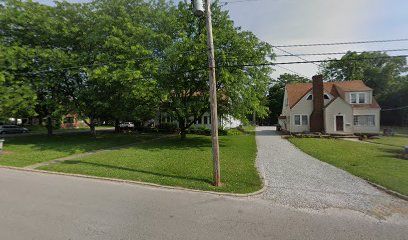
House of Hope of Madison County Inc
Anderson, IN
- Residential
- Sober Living
Substance use treatment · Does not use medication for opioid addiction · Cognitive behavioral therapy
Accepts: Cash or self-payment, Sliding fee scale
Aspire Indiana Inc Chase Street
Anderson, IN
- Outpatient
- MAT
Substance use treatment · Accepts clients on opioid medication but prescribed elsewhere · Cognitive behavioral therapy
Accepts: Cash or self-payment, Medicaid, Medicare
Aspire Indiana Inc Bolin Building
Anderson, IN
- Outpatient
- MAT
Substance use treatment · Accepts clients on opioid medication but prescribed elsewhere · Cognitive behavioral therapy
Accepts: Cash or self-payment, Medicaid, Medicare
Aspire Indiana Inc DeHaven Outpatient
Anderson, IN
- Outpatient
- MAT
Substance use treatment · Accepts clients on opioid medication but prescribed elsewhere · Cognitive behavioral therapy
Accepts: Cash or self-payment, Medicaid, Medicare
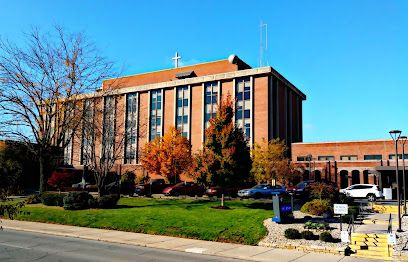
St Vincent Anderson Regional Hospital Anderson Center
Anderson, IN
- Detox
- Residential
- IOP
- MAT
Substance use treatment · Cognitive behavioral therapy · Dialectical behavior therapy
Accepts: Cash or self-payment, Medicaid, Medicare