

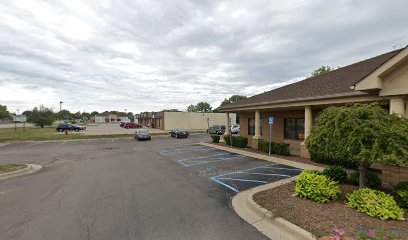
At a Glance
Location
363 West Big Beaver Road, Suite 315, Troy, MI 48084
Phone
(248) 354-8460Website
https://myacc.orgPrimary Focus
Treatment Settings
Treatment Approaches
Special Programs
About Arab American and Chaldean Council
The Arab American and Chaldean Council in Sterling Heights provides specialized outpatient addiction treatment for refugees, immigrants, and multicultural populations throughout metro Detroit. Since 1979, this CARF-accredited recovery center has served diverse communities with culturally responsive substance abuse treatment and telehealth services.
The Arab American and Chaldean Council operates a specialized addiction treatment facility in Sterling Heights, Michigan, serving refugees, immigrants, and multicultural populations across Macomb, Oakland, and Wayne Counties. This CARF-accredited recovery center has provided community-based services since 1979, establishing deep roots in metro Detroit's diverse communities. The facility specializes in outpatient addiction treatment designed specifically for individuals from immigrant and refugee backgrounds navigating substance use disorders. Their community-based outpatient program addresses the unique cultural and linguistic needs of populations often underserved by traditional rehab facilities. The center offers telehealth services alongside in-person care, expanding access to recovery support across southeastern Michigan. This flexibility proves essential for families and individuals balancing work, family obligations, and immigration-related challenges while pursuing recovery. The council's approach recognizes that effective addiction treatment must account for cultural background, family dynamics, and community connections that influence long-term recovery success. Located on Mount Road in Sterling Heights, the facility serves as both a treatment provider and community anchor for diverse populations seeking substance abuse treatment. Their decades of experience with multicultural communities positions them uniquely among recovery centers in the region. Families choosing this outpatient program gain access to providers who understand the intersection of cultural identity and addiction recovery, making it an important option for immigrants and refugees seeking culturally responsive care in their recovery journey.
Outpatient Program for Multicultural Communities
The Arab American and Chaldean Council's outpatient program addresses substance use disorders within the context of multicultural communities throughout metro Detroit. This specialized approach recognizes that immigrants and refugees face unique challenges in accessing and engaging with traditional addiction treatment services.
The community-based outpatient program serves individuals across Macomb, Oakland, and Wayne Counties, with telehealth options extending reach throughout Michigan. This flexibility proves crucial for families balancing cultural obligations, work schedules, and recovery goals while maintaining connections to their broader community support networks.
CARF-Accredited Recovery Center Serving Diverse Populations
CARF accreditation demonstrates the council's commitment to maintaining quality standards in culturally responsive substance abuse treatment. This recognition validates their specialized approach to serving refugees, immigrants, and multicultural populations who may not find appropriate care at traditional rehab facilities.
Since 1979, the organization has built trust within diverse communities across southeastern Michigan. Their long-standing presence in Sterling Heights reflects deep community connections that enhance the effectiveness of their addiction treatment services.
Telehealth Services and Community-Based Care
The integration of telehealth services with community-based outpatient care expands access to recovery support for families across metro Detroit. This dual approach accommodates transportation challenges, work conflicts, and family responsibilities that might otherwise prevent individuals from accessing consistent addiction treatment.
The facility's location in Sterling Heights positions it strategically within Macomb County's diverse communities while maintaining connections to Oakland and Wayne County populations. This geographic reach, combined with telehealth capabilities, creates a comprehensive service area for multicultural addiction treatment in southeastern Michigan.
Why Choose Arab American and Chaldean Council
- Specialized outpatient program designed specifically for refugees, immigrants, and multicultural populations
- CARF accreditation ensuring quality standards in culturally responsive addiction treatment
- Nearly 45 years of experience serving diverse communities in metro Detroit since 1979
- Telehealth services expanding access to recovery support across southeastern Michigan
- Community-based approach addressing unique cultural and linguistic needs in recovery
Frequently Asked Questions
What types of addiction treatment does the Arab American and Chaldean Council provide?
The council offers outpatient addiction treatment for substance use disorders, specifically designed for refugees, immigrants, and multicultural populations. Their community-based outpatient program includes both in-person and telehealth services to accommodate diverse scheduling and transportation needs.
Which areas does this recovery center serve in Michigan?
The facility serves Sterling Heights, Macomb County, Oakland County, Wayne County, and throughout Michigan via telehealth services. This broad service area ensures multicultural communities across metro Detroit can access culturally responsive addiction treatment.
Is the Arab American and Chaldean Council accredited for addiction treatment?
Yes, the council maintains CARF accreditation, which validates their quality standards and specialized approach to serving diverse populations. This accreditation demonstrates their commitment to effective, culturally responsive substance abuse treatment.
How long has this addiction treatment center been operating?
The Arab American and Chaldean Council has provided services since 1979, establishing nearly 45 years of experience serving multicultural communities in metro Detroit. This long-standing presence reflects deep community trust and understanding of diverse population needs.
What makes this outpatient program different from other rehab facilities?
The council specializes exclusively in serving refugees, immigrants, and multicultural populations, addressing unique cultural and linguistic needs often overlooked by traditional addiction treatment providers. Their community-based approach combined with telehealth options creates accessible care for diverse families across southeastern Michigan.
Does the recovery center offer telehealth services for addiction treatment?
Yes, telehealth services are available alongside their community-based outpatient program. This flexibility helps accommodate work schedules, family obligations, and transportation challenges while maintaining consistent access to substance abuse treatment and recovery support.
Who can access services at this Sterling Heights addiction treatment facility?
The facility specifically serves refugees, immigrants, and multicultural populations dealing with substance use disorders. Their specialized approach addresses the intersection of cultural identity and addiction recovery, making them particularly valuable for communities underserved by traditional rehab facilities.
What type of facility is the Arab American and Chaldean Council?
The council operates as an outpatient clinic specializing in addiction treatment for diverse communities. Their community-based model allows individuals to maintain family and work responsibilities while receiving consistent substance abuse treatment and recovery support.
Nearby Treatment Centers
Perspectives of Troy (PC)
Troy, MI
- Outpatient
Substance use treatment · Does not treat opioid addiction · Cognitive behavioral therapy
Accepts: Cash or self-payment, Private health insurance
Rivers Bend PC
Troy, MI
- IOP
Substance use treatment · Accepts clients on opioid medication but prescribed elsewhere · Cognitive behavioral therapy
Accepts: Cash or self-payment, Medicare, Private health insurance
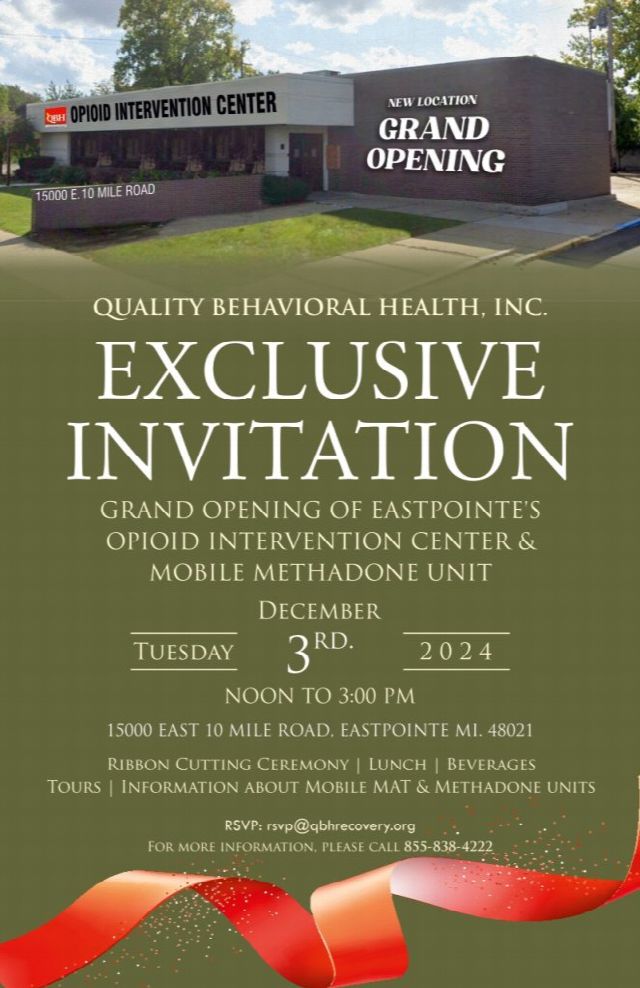
Quality Behavioral Health
Sterling Heights, MI
- Outpatient
- MAT
Substance use treatment · Accepts clients on opioid medication but prescribed elsewhere · All Clients in Opioid Treatment Program
Accepts: Cash or self-payment, Medicaid, Medicare
Ascension Eastwood Behavioral Health
Royal Oak, MI
- IOP
Substance use treatment · Accepts clients on opioid medication but prescribed elsewhere · Cognitive behavioral therapy
Accepts: Cash or self-payment, Medicaid, Medicare

Arab American and Chaldean Council
Sterling Heights, MI
- Outpatient
Substance use treatment · Does not use medication for opioid addiction · Substance abuse counseling
Accepts: Medicaid, Medicare, State-financed health insurance plan other than Medicaid
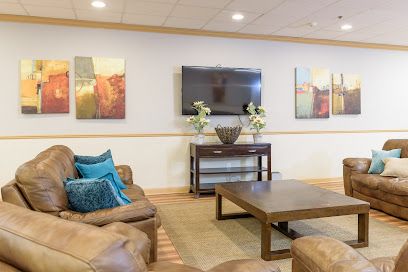
Community Programs Inc Meridian Health Services
Sterling Heights, MI
- Outpatient
- MAT
Substance use treatment · Cognitive behavioral therapy · Substance abuse counseling
Accepts: Cash or self-payment, Medicaid, Medicare