

At a Glance
Location
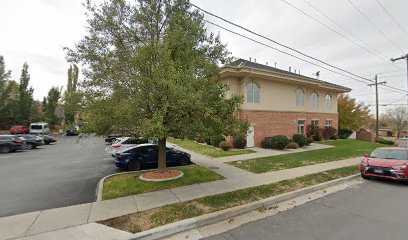
25 South Main Street Suite 202, Centerville, UT 84014
Phone
(801) 663-6656Primary Focus
Treatment Settings
Treatment Approaches
Special Programs
About Active Recovery
Active Recovery in Centerville, Utah offers outpatient and intensive outpatient substance abuse treatment for a wide range of populations, including veterans, young adults, and pregnant women. CARF-accredited and accepting Medicaid, Medicare, TRICARE, and private insurance, this recovery center brings structured, ongoing addiction treatment to Davis County without requiring residential placement.
Active Recovery is a CARF-accredited substance use treatment center located at 25 South Main Street in Centerville, Utah, serving individuals who are ready to pursue recovery while remaining connected to their daily lives. The center operates Monday through Friday with extended hours from 8:00 a.m. to 9:00 p.m., making it accessible to people who are balancing work, family, or other responsibilities alongside their recovery commitment. For those evaluating outpatient options in the greater Davis County area, Active Recovery represents a structured, community-integrated alternative to residential treatment.
Active Recovery offers two distinct levels of outpatient care: a standard Outpatient Program and an Intensive Outpatient Program (IOP). The IOP level provides a higher frequency of clinical contact than standard outpatient, making it well-suited for individuals who need more support than a once-weekly appointment but are not in a position to enter residential treatment. Together, these two tracks allow the center to meet clients at different stages of their recovery journey and adjust the intensity of care as progress is made.
Clinically, Active Recovery uses Cognitive Behavioral Therapy (CBT) as a core therapeutic method, a structured approach that helps clients examine the thought patterns and behaviors underlying substance use. The center is also equipped to address co-occurring disorders and dual diagnosis, recognizing that mental health conditions such as trauma and PTSD frequently intersect with addiction. This dual-diagnosis capability is central to how the center approaches longer-term recovery, rather than treating substance use in isolation from underlying conditions.
Active Recovery serves a notably broad range of populations, including veterans, pregnant women, young adults ages 18 to 25, seniors, men, women, individuals with HIV/AIDS, and those attending under court order. Payment options include Medicaid, Medicare, TRICARE, private insurance, state insurance, and self-pay, reducing financial barriers for many who might otherwise go without care. The center's CARF accreditation signals a commitment to quality standards that people in recovery and their families can use as a benchmark when comparing treatment options.
Outpatient & IOP: Recovery That Fits Real Life
Active Recovery offers two outpatient levels of care designed to meet people where they are in their recovery. The standard Outpatient Program provides consistent clinical support while allowing individuals to live at home, maintain employment, and stay engaged with family and community. For those who need a more intensive structure without full residential treatment, the Intensive Outpatient Program (IOP) delivers a higher level of care and clinical contact.
The ability to move between these two levels within the same center matters for long-term recovery planning. Rather than starting over with a new provider when stepping down from IOP to standard outpatient, clients at Active Recovery can transition within a familiar clinical environment. The center's extended hours — open until 9:00 p.m. Monday through Friday — make scheduling realistic for people managing jobs, childcare, or other daily obligations alongside their substance abuse treatment.
Dual Diagnosis & Trauma-Informed Addiction Treatment
Many people entering outpatient addiction treatment are also navigating co-occurring mental health conditions. Active Recovery is equipped to treat co-occurring disorders and dual diagnosis, with specific clinical capacity around Trauma and PTSD. Using Cognitive Behavioral Therapy (CBT), clinicians work with clients to identify and reshape the patterns of thinking that contribute to both substance use and underlying mental health challenges.
Treating the whole picture — rather than isolating substance use from mental health — is particularly relevant for populations like veterans, who may be managing service-connected trauma alongside addiction. Active Recovery's TRICARE acceptance and its identified focus on the veteran population reflect a practical understanding of this overlap, and the center's dual diagnosis framework is built to address it directly within the outpatient setting.
Who Active Recovery Serves
Active Recovery's outpatient and IOP programs are open to a wide range of people seeking substance abuse treatment in Centerville and the surrounding Davis County area. The center serves men and women, young adults ages 18 to 25, seniors and older adults, veterans, pregnant women, individuals with HIV/AIDS, and those attending under court order. This breadth of populations served reflects a program designed to be clinically relevant across different life circumstances, not a single demographic.
Payment access is a meaningful part of who the center can realistically help. Active Recovery accepts Medicaid, Medicare, TRICARE, state insurance, private insurance, and self-pay, which collectively cover a broad portion of the population that might otherwise face financial barriers to recovery care. The center's CARF accreditation provides an independent quality benchmark that families and individuals can factor into their decision when selecting a long-term recovery partner.
Choosing an Outpatient Recovery Center in Centerville, UT
For people weighing outpatient programs and intensive outpatient programs in the Davis County area, the practical details matter as much as the clinical ones. Active Recovery operates five days a week with hours extending to 9:00 p.m., located at 25 South Main Street, Suite 202 in Centerville — a setting that keeps treatment accessible without requiring time away from community and support networks.
CARF accreditation is one of the clearest external signals of quality in addiction treatment, indicating the center has met standards for program structure, clinical practices, and client rights. For those in early or ongoing recovery evaluating where to invest the next chapter of their treatment, Active Recovery's combination of flexible scheduling, dual diagnosis capability, broad population service, and accreditation makes it a substantive option to consider in northern Utah.
Why Choose Active Recovery
- CARF-accredited outpatient and IOP programming in Davis County, Utah
- Extended weekday hours (8 a.m.–9 p.m.) support recovery around work and family schedules
- Dual diagnosis treatment addressing co-occurring conditions like Trauma and PTSD alongside substance use
- Explicitly serves veterans through TRICARE coverage, alongside court-ordered clients, pregnant women, seniors, and young adults
- Two levels of outpatient care allow step-up or step-down transitions without changing providers
Frequently Asked Questions
What levels of addiction treatment does Active Recovery offer?
Active Recovery provides two outpatient levels of care: a standard Outpatient Program and an Intensive Outpatient Program (IOP). The IOP offers more frequent clinical contact for individuals who need greater structure than standard outpatient but do not require residential treatment. Both programs are available at the center's Centerville, Utah location.
Is Active Recovery accredited?
Yes. Active Recovery holds CARF accreditation, which is one of the most recognized quality standards in addiction treatment and behavioral health. CARF accreditation indicates the center has met established benchmarks for program structure, clinical practices, and the rights of people in their care.
What mental health conditions does Active Recovery treat alongside addiction?
Active Recovery is equipped to treat co-occurring disorders and dual diagnosis, with specific clinical focus on Trauma and PTSD. Addressing these conditions alongside substance use disorder is central to the center's approach, as mental health challenges and addiction frequently intersect.
What therapy methods does Active Recovery use?
Cognitive Behavioral Therapy (CBT) is the confirmed therapeutic method used at Active Recovery. CBT is a structured approach that helps clients examine the connections between thoughts, feelings, and behaviors — an approach well suited to both substance use treatment and co-occurring conditions like trauma.
Does Active Recovery accept Medicaid, Medicare, or TRICARE?
Yes. Active Recovery accepts Medicaid, Medicare, TRICARE, state insurance, private insurance, and self-pay. This range of accepted payment methods makes the center accessible to veterans, seniors, lower-income individuals, and others who might otherwise face financial barriers to outpatient addiction treatment.
Does Active Recovery serve veterans?
Yes. Veterans are among the populations explicitly served at Active Recovery. The center accepts TRICARE, the health coverage program for military members and their families, and its dual diagnosis capability — including treatment for Trauma and PTSD — is directly relevant to many veterans seeking substance abuse treatment.
What are Active Recovery's hours of operation?
Active Recovery is open Monday through Friday from 8:00 a.m. to 9:00 p.m. These extended evening hours are designed to accommodate individuals who are managing work, family responsibilities, or other daily commitments alongside their outpatient or IOP recovery program.
Can pregnant women receive addiction treatment at Active Recovery?
Yes. Pregnant women are among the populations Active Recovery is confirmed to serve. The center's outpatient and IOP programs are structured to be accessible to individuals across a broad range of life circumstances, including pregnancy.
Does Active Recovery offer treatment for young adults?
Yes. Young adults ages 18 to 25 are among the populations Active Recovery explicitly serves. Both the standard Outpatient Program and Intensive Outpatient Program are available to this age group at the Centerville, Utah location.
Where is Active Recovery located and how can I contact them?
Active Recovery is located at 25 South Main Street, Suite 202, Centerville, Utah 84014, in Davis County. The center can be reached by phone at (801) 663-6656. More information is available at recovery-active.com.
Nearby Treatment Centers
Bountiful Treatment Center Metro Treatment of Utah LP
Woods Cross, UT
- Residential
- Outpatient
- MAT
Substance use treatment · All Clients in Opioid Treatment Program · SAMHSA-certified Opioid Treatment Program
Accepts: Cash or self-payment, Medicaid, Military insurance
LifeLine Behavioral Health LLC
North Salt Lake, UT
- Residential
- PHP
- IOP
Substance use treatment · Does not use medication for opioid addiction · Cognitive behavioral therapy
Accepts: Cash or self-payment, State-financed health insurance plan other than Medicaid, Private health insurance
Cold Creek Behavioral Health Sober Living
Kaysville, UT
- Detox
- PHP
- IOP
- MAT
Substance use treatment · Accepts clients on opioid medication but prescribed elsewhere · Cognitive behavioral therapy
Accepts: Cash or self-payment, Private health insurance, Military insurance

Diamond Tree Recovery
Kaysville, UT
- Detox
- Residential
- PHP
- IOP
Substance use treatment · Cognitive behavioral therapy · Dialectical behavior therapy
Accepts: Cash or self-payment, Medicaid, Private health insurance
Cold Creek Behavioral Health Female Sober Living
Kaysville, UT
- Residential
- Outpatient
- MAT
- Sober Living
Substance use treatment · Accepts clients on opioid medication but prescribed elsewhere · Cognitive behavioral therapy
Accepts: Cash or self-payment, Private health insurance, Military insurance
First Step House
Salt Lake City, UT
- Residential
Substance use treatment · Accepts clients on opioid medication but prescribed elsewhere · Cognitive behavioral therapy
Accepts: Cash or self-payment, Medicaid, State-financed health insurance plan other than Medicaid