


At a Glance
Location
1745 North 4th Street, Philadelphia, PA 19122
Phone
(215) 236-0100Website
https://www.merakey.org/Primary Focus
Treatment Settings
Treatment Approaches
Special Programs
About Achievement Through Counseling and Trt (ACT II)
Beacon Point Recovery Center in Philadelphia, PA offers detoxification and outpatient programming for adults navigating alcohol use disorder, substance use disorder, and co-occurring disorders. Operating 24 hours a day, seven days a week, the center accepts Medicaid, Medicare, state insurance, and self-pay, making structured addiction treatment accessible to a broad range of people in the Philadelphia community.
Beacon Point Recovery Center is a substance use treatment facility located at 1745 North 4th Street in Philadelphia, Pennsylvania, serving adult men and women seeking structured support for alcohol use disorder, substance use disorder, and co-occurring mental health and addiction conditions. Situated in the 19122 zip code of Philadelphia County, the center operates around the clock every day of the week, meaning people ready to begin recovery are not turned away by limited hours or scheduling barriers. For those exploring their options in the Philadelphia rehab landscape, Beacon Point represents a facility where the door is consistently open.
The center provides two primary levels of care: detoxification and an outpatient program. Detoxification at Beacon Point addresses the earliest and often most physically demanding phase of recovery, helping individuals stabilize before moving forward. The outpatient program extends treatment beyond that initial stage, allowing people to engage in ongoing substance abuse treatment while maintaining connections to their daily lives, families, and communities — a format well-suited for individuals building the routines that long-term recovery requires.
Clinically, Beacon Point's therapeutic framework draws on Cognitive Behavioral Therapy, individual therapy, and group therapy. CBT helps individuals identify and reshape the thought patterns that drive addictive behavior, while individual sessions provide space for focused, personal work. Group therapy introduces a peer dynamic that many people in recovery find central to lasting change — the experience of working through challenges alongside others who understand the process firsthand. Medical oversight is provided by Christopher Rienas, Medical Director at Praesum Healthcare and double board-certified in Addiction Psychiatry, a credential reflecting serious clinical depth at the leadership level.
Beacon Point serves adult men and women, accepting Medicaid, Medicare, state insurance, and self-pay, which significantly broadens who can access treatment regardless of financial circumstances. For people in Philadelphia weighing their options for rehab, addiction treatment, or an outpatient program that offers both detox and continuing care, Beacon Point Recovery Center provides a continuum of services with 24/7 availability and a clinically grounded team.
Detox and Outpatient Treatment in Philadelphia
Beacon Point Recovery Center offers a two-level pathway through early and ongoing recovery: detoxification followed by an outpatient program. For many people, the decision to enter rehab begins with the physical reality of stopping substance use, and having detox available at the same facility where outpatient treatment continues means the transition between those stages is built into the program rather than left to chance.
The outpatient program is particularly well-suited for individuals who are past the acute phase of withdrawal and ready to build the daily structure that sustained recovery demands. Rather than stepping away from work, family, or community obligations entirely, participants in an outpatient program engage in treatment while remaining embedded in the life they are working to stabilize. For Philadelphia residents, this format makes consistent, ongoing substance abuse treatment a realistic part of everyday recovery.
Therapeutic Approaches at Beacon Point
The clinical model at Beacon Point Recovery Center incorporates Cognitive Behavioral Therapy, individual therapy, and group therapy. CBT is one of the most studied approaches in addiction treatment, helping people recognize how specific thought patterns and beliefs contribute to substance use and develop practical strategies to interrupt those cycles. Individual therapy provides a private space where personal history, triggers, and goals can be worked through with a clinician directly.
Group therapy adds a dimension that individual sessions alone cannot replicate. Sitting with peers who are navigating recovery at the same time normalizes the experience and builds the kind of accountability that many people identify as essential to staying the course. This combination of structured clinical modalities reflects a recovery center committed to treating the behavioral and psychological dimensions of addiction, not only the physical ones.
Co-Occurring Disorder Treatment in Philadelphia
Beacon Point Recovery Center explicitly treats co-occurring disorders — meaning the facility is equipped to address mental health conditions that exist alongside substance use disorder or alcohol use disorder. For many people in recovery, untreated mental health challenges are a significant driver of relapse, making integrated treatment that attends to both concerns far more effective than addressing substance use in isolation.
This dual focus matters for people who have struggled to find addiction treatment that takes their full mental health picture seriously. A recovery center that recognizes co-occurring disorders as part of its core clinical scope is better positioned to support long-term recovery, not just short-term stabilization. Adults in Philadelphia dealing with both substance use and mental health challenges will find that Beacon Point's treatment model accounts for that complexity.
Insurance and Payment Options at Beacon Point
One of the practical realities of seeking addiction treatment is navigating cost and coverage, and Beacon Point Recovery Center accepts a range of payment options that make treatment accessible to a wider population. The center accepts Medicaid, Medicare, state insurance, and self-pay or cash, covering many of the insurance pathways available to Philadelphia residents.
For people who are uninsured or underinsured, the self-pay option means that coverage status alone does not have to be the deciding factor in whether someone accesses rehab. For those on public insurance programs, Medicaid and Medicare acceptance removes another common barrier. Anyone with questions about coverage for specific plans should contact the center directly at (267) 715-9624 to discuss their individual situation.
Why Choose Achievement Through Counseling and Trt (ACT II)
- 24/7 availability every day of the week — no waiting for business hours to begin recovery
- Continuum of care from detoxification through outpatient programming under one treatment center
- Medical Director double board-certified in Addiction Psychiatry, providing specialized clinical oversight
- Treats co-occurring disorders alongside substance use, addressing the full picture of a person's recovery needs
- Accepts Medicaid, Medicare, state insurance, and self-pay, reducing financial barriers for Philadelphia-area residents
Frequently Asked Questions
What levels of care does Beacon Point Recovery Center offer?
Beacon Point Recovery Center provides two levels of care: detoxification and an outpatient program. This allows the center to support people through both the initial stabilization phase of recovery and the ongoing treatment that follows, within the same facility in Philadelphia.
What hours is Beacon Point Recovery Center open?
Beacon Point Recovery Center operates 24 hours a day, seven days a week, including weekends and holidays. This around-the-clock schedule means individuals ready to take a step toward recovery are not limited by business hours.
Does Beacon Point Recovery Center treat co-occurring disorders?
Yes. Beacon Point treats co-occurring disorders alongside alcohol use disorder and substance use disorder. This means individuals dealing with both a mental health condition and a substance use condition can receive treatment that addresses both within the same recovery program.
What insurance does Beacon Point Recovery Center accept?
Beacon Point accepts Medicaid, Medicare, state insurance, and self-pay or cash. These options cover a broad range of financial situations for Philadelphia-area residents seeking addiction treatment. For questions about a specific plan, calling the center directly is the best next step.
Who does Beacon Point Recovery Center serve?
Beacon Point serves adult men and women seeking treatment for alcohol use disorder, substance use disorder, or co-occurring disorders. The center is located in Philadelphia, PA and operates within Philadelphia County.
What therapeutic methods are used at Beacon Point Recovery Center?
The center's clinical approach includes Cognitive Behavioral Therapy, individual therapy, and group therapy. CBT focuses on identifying and changing thought patterns connected to substance use, while individual and group sessions address both personal and peer-supported dimensions of the recovery process.
What is Cognitive Behavioral Therapy and why is it used in addiction treatment?
Cognitive Behavioral Therapy is a structured, goal-oriented form of therapy that helps people recognize how specific thoughts and behaviors contribute to substance use. In addiction treatment, CBT equips individuals with practical strategies to identify triggers and respond differently, which supports longer-term recovery outcomes.
Who leads the clinical team at Beacon Point Recovery Center?
Medical oversight at Beacon Point is provided by Christopher Rienas, Medical Director at Praesum Healthcare, who is double board-certified in Addiction Psychiatry. This level of specialization reflects a clinical leadership structure focused specifically on addiction medicine.
Is Beacon Point Recovery Center a good fit for someone stepping down from a higher level of care?
Beacon Point's outpatient program can serve as a meaningful next step for individuals who have completed a higher level of care and are ready for ongoing substance abuse treatment that fits into daily life. The center's combination of group and individual therapy provides continued clinical support during that transition.
How do I contact Beacon Point Recovery Center?
Beacon Point Recovery Center can be reached by phone at (267) 715-9624. The center is located at 1745 North 4th Street, Philadelphia, PA 19122 and is open 24 hours a day, every day of the week.
Nearby Treatment Centers
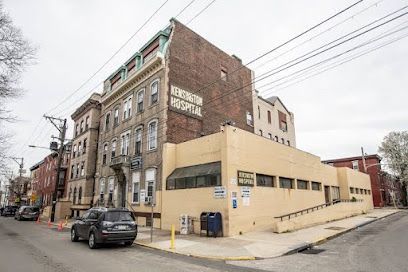
Kensington Hospital Addiction Services
Philadelphia, PA
- Detox
- MAT
SAMHSA-certified Opioid Treatment Program · Cognitive behavioral therapy · Substance abuse counseling
Accepts: Cash or self-payment, Medicaid, Medicare
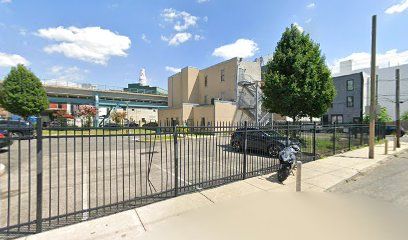
Kensington Hospital Methadone Maintenance Program/OP
Philadelphia, PA
- Outpatient
- MAT
Substance use treatment · All Clients in Opioid Treatment Program · SAMHSA-certified Opioid Treatment Program
Accepts: Cash or self-payment, Medicaid
Behavioral Wellnes Center Forensic Intensive Recovery Residence
Philadelphia, PA
- Residential
- MAT
Substance use treatment · Accepts clients on opioid medication but prescribed elsewhere · Cognitive behavioral therapy
Accepts: Medicaid, State-financed health insurance plan other than Medicaid
Behavioral Wellness Center Goldman Clinic
Philadelphia, PA
- IOP
- MAT
Substance use treatment · All Clients in Opioid Treatment Program · SAMHSA-certified Opioid Treatment Program
Accepts: Cash or self-payment, Medicaid, Medicare

Behavioral Wellness Center RTFA
Philadelphia, PA
- Residential
- MAT
Substance use treatment · Accepts clients on opioid medication but prescribed elsewhere · Cognitive behavioral therapy
Accepts: Cash or self-payment, Medicaid, Sliding fee scale

North Philadelphia Health Systems Miracles in Progress
Philadelphia, PA
- Residential
- MAT
Substance use treatment · Accepts clients on opioid medication but prescribed elsewhere · Cognitive behavioral therapy
Accepts: Medicaid, State-financed health insurance plan other than Medicaid