

At a Glance
Location
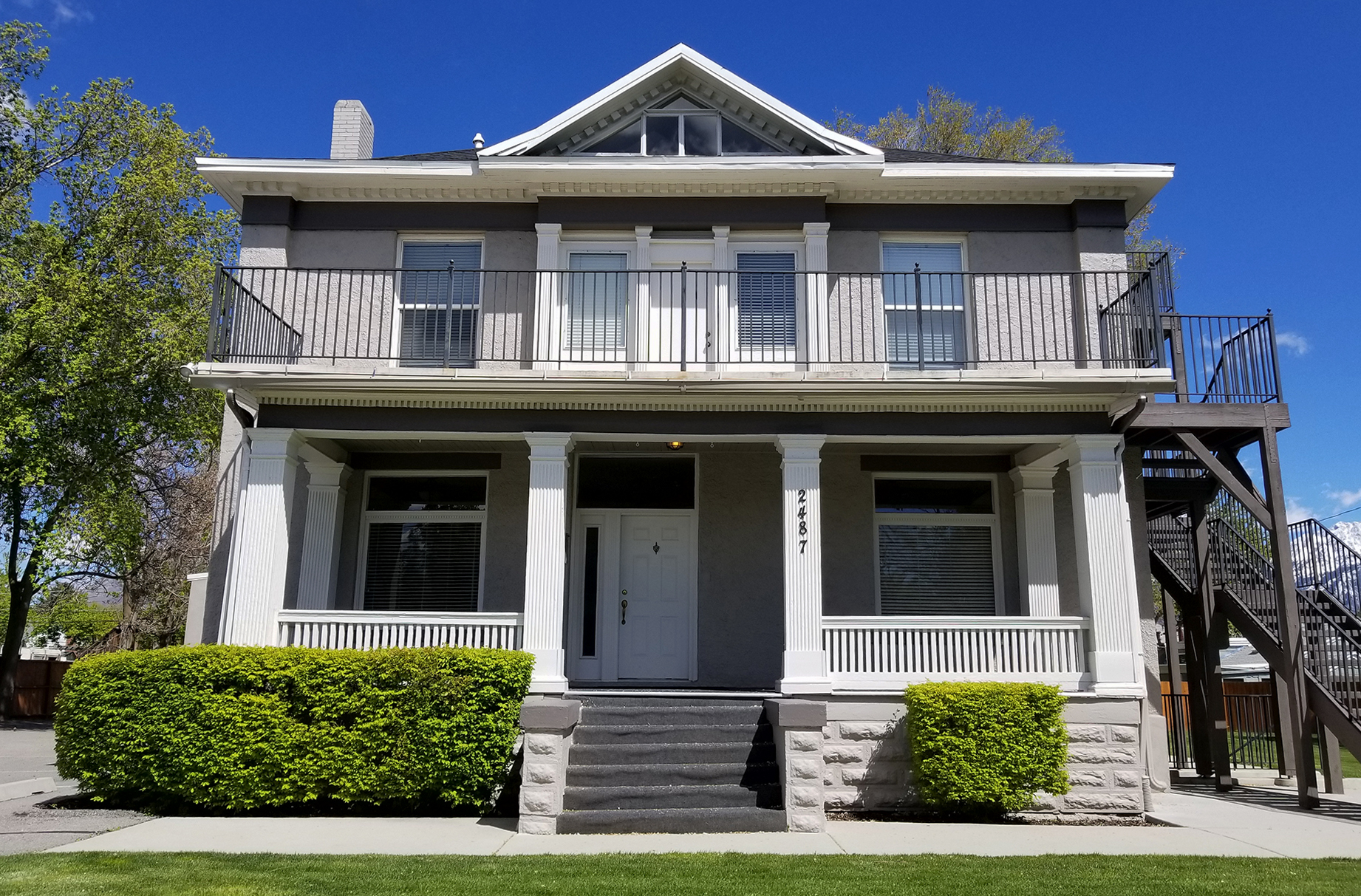
2487 South 700 East, Salt Lake City, UT 84106
Phone
385-261-2070Website
http://www.7treatment.orgPrimary Focus
Treatment Settings
Treatment Approaches
About 7th Street
7th Street is a residential addiction treatment center in Salt Lake City, UT, offering a continuum of care that spans residential treatment, outpatient programming, and intensive outpatient services. The center works with men, women, and young adults navigating substance abuse, trauma, co-occurring disorders, and dual diagnosis conditions, accepting Medicaid, private insurance, and self-pay.
7th Street is a residential recovery center located at 2487 South 700 East in Salt Lake City, Utah, providing structured addiction treatment to adults across a meaningful spectrum of care levels. Situated in Salt Lake County, the facility brings together residential and outpatient services under one umbrella, making it a viable long-term recovery partner for individuals ready to move beyond crisis and build lasting sobriety. The center serves a genuinely diverse population — including young adults ages 18 to 25, men, women, people living with HIV/AIDS, and those entering treatment through court-ordered mandates.
The continuum of care at 7th Street spans three distinct levels: residential treatment for those who need immersive, full-time support; a standard outpatient program for individuals stepping down or balancing outside responsibilities; and an intensive outpatient program (IOP) for those who require more structured therapeutic contact than traditional outpatient alone provides. This range allows clients to move through levels of care as their recovery progresses, rather than being discharged into the community after a single episode of treatment.
Clinically, 7th Street incorporates Cognitive Behavioral Therapy (CBT) as a core therapeutic method, addressing the thought patterns and behavioral cycles that underlie substance abuse and co-occurring conditions. The facility is specifically equipped to treat trauma and PTSD alongside addiction — a critical distinction for individuals whose substance use is intertwined with unresolved traumatic experiences. Dual diagnosis treatment is a confirmed focus, recognizing that mental health and addiction rarely exist in isolation.
The populations 7th Street serves reflect a deliberate breadth of outreach. Young adults between 18 and 25 receive attention during a particularly high-risk developmental window, while the facility's acceptance of court-ordered clients and those requiring HIV/AIDS support signals a commitment to working with individuals who are often underserved by mainstream recovery programs. Payment access is broad — Medicaid, private insurance, and self-pay options are all accepted — lowering barriers for people at different financial starting points. For anyone in Salt Lake City weighing residential treatment or ongoing outpatient care, 7th Street offers a structured, multi-level path built around real clinical needs.
Residential and Outpatient Programs Built for the Full Recovery Journey
7th Street structures its addiction treatment around the reality that recovery rarely happens in a single episode of care. The center's three levels — residential treatment, standard outpatient, and intensive outpatient (IOP) — are designed to work in sequence, allowing someone to begin with the level of support they need most and transition forward as their stability grows. For many people pursuing long-term sobriety, that continuity within one treatment community matters as much as any individual service.
The residential program places clients in a live-in setting with shared dorm areas, communal bathrooms, a large kitchen, and a living and group room — physical spaces that mirror the rhythms of community life rather than a clinical institution. Outpatient and intensive outpatient options extend that connection for clients who are ready to re-engage with the outside world while maintaining regular therapeutic contact with the 7th Street program.
Dual Diagnosis and Trauma-Informed Addiction Treatment in Salt Lake City
One of the clearest ways 7th Street distinguishes itself within Salt Lake City's recovery landscape is its confirmed treatment focus on co-occurring disorders, dual diagnosis, and trauma including PTSD. For a significant share of people seeking substance abuse treatment, mental health conditions aren't separate from addiction — they're part of the same picture. 7th Street's clinical approach acknowledges that directly, rather than treating addiction in isolation.
Cognitive Behavioral Therapy (CBT) anchors the therapeutic work, targeting the thought patterns and behavioral responses that sustain substance use and interfere with recovery. For clients carrying trauma histories alongside their addiction, having CBT and trauma-focused care available within the same residential or outpatient program removes a significant barrier to comprehensive treatment.
Who 7th Street Serves: Populations and Access
7th Street's intake reflects a deliberately wide scope. Men, women, and young adults between 18 and 25 are all served within the program, and the facility accepts court-ordered referrals — a population that requires consistent structure and often benefits from the accountability built into a residential treatment setting. The center also provides support for people living with HIV/AIDS, a distinction that few residential recovery programs in the region can confirm.
On the financial side, 7th Street accepts Medicaid, private insurance, and self-pay, which means the path into residential treatment or outpatient care isn't gated by a single payment type. For families navigating what can be a complicated benefits landscape, that flexibility is a practical starting point. The office operates Monday through Friday, 9:00am to 5:00pm, and can be reached at (385) 261-2070 or [email protected].
A Recovery Center Rooted in Salt Lake City's Community
Located on South 700 East in the heart of Salt Lake City, 7th Street is accessible to residents throughout Salt Lake County who are looking for a recovery center that offers more than a short-term stabilization stay. The facility's combination of residential treatment and outpatient programming — including IOP — positions it as a long-term resource rather than a one-and-done intervention.
For people evaluating sober living options, ongoing outpatient support, or a residential treatment program that addresses co-occurring mental health needs alongside substance abuse, 7th Street represents a grounded, community-present option in Utah's largest city. The center's website at 7treatment.org and phone line at (385) 261-2070 are the direct channels for admissions questions and program details.
Why Choose 7th Street
- Continuum from residential treatment through intensive outpatient (IOP) in a single Salt Lake City facility — supporting recovery beyond the initial treatment episode
- Specialized dual diagnosis and trauma/PTSD treatment integrated into the addiction recovery program
- Serves court-ordered clients and people with HIV/AIDS alongside the general recovery population — a broader intake than many residential programs
- Dedicated focus on young adults ages 18–25, a population often overlooked in traditional residential treatment settings
- Medicaid accepted alongside private insurance and self-pay, broadening access to residential and outpatient care
Frequently Asked Questions
What levels of care does 7th Street offer for addiction treatment?
7th Street provides three levels of care: residential treatment, a standard outpatient program, and an intensive outpatient program (IOP). This range is designed to support clients at different stages of recovery, from those needing full-time residential support to those stepping down into community-based outpatient care. Having multiple levels available within one center allows for smoother transitions as recovery progresses.
Does 7th Street treat co-occurring mental health conditions alongside addiction?
Yes. 7th Street confirms dual diagnosis and co-occurring disorder treatment as part of its clinical focus. The center also specifically addresses trauma and PTSD, recognizing that these conditions frequently intersect with substance abuse. Cognitive Behavioral Therapy (CBT) is a core therapeutic method used across the program.
What populations does 7th Street's residential treatment serve?
7th Street serves men, women, and young adults between the ages of 18 and 25. The facility also accepts court-ordered clients and provides support for people living with HIV/AIDS. This breadth of population coverage makes the center one of the more inclusive residential treatment options in Salt Lake City.
What payment options does 7th Street accept for rehab and outpatient programs?
7th Street accepts Medicaid, private insurance, and self-pay or cash. These options cover both residential treatment and outpatient programming, including IOP. Prospective clients or their families can contact the center directly at (385) 261-2070 to discuss their specific coverage situation.
Is 7th Street a good fit for young adults entering addiction treatment?
7th Street explicitly serves young adults ages 18 to 25, a population with distinct needs in early recovery. The center's residential and outpatient structure provides the kind of consistent support and community that can be especially important during that developmental window. The inclusion of CBT and dual diagnosis treatment is relevant for many young adults managing mental health challenges alongside substance use.
Where is 7th Street located and how can I contact them?
7th Street is located at 2487 South 700 East, Salt Lake City, UT 84106. The center can be reached by phone at (385) 261-2070 or by email at [email protected]. Office hours are Monday through Friday, 9:00am to 5:00pm; the office is closed on weekends.
Does 7th Street offer treatment for trauma and PTSD as part of its substance abuse program?
Trauma and PTSD are confirmed conditions treated at 7th Street, alongside substance abuse and co-occurring mental health disorders. Cognitive Behavioral Therapy (CBT) is used as a primary therapeutic method and is well-suited to addressing both trauma and the behavioral dimensions of addiction within the same treatment framework.
What does the residential facility at 7th Street look like?
The residential setting at 7th Street includes a living and group room, a large kitchen, and dorm areas that each have two bathrooms. These communal spaces support a community-oriented environment where residents share daily life alongside their therapeutic work. The physical setup reflects a recovery community atmosphere rather than a strictly clinical one.
Does 7th Street accept court-ordered clients into its addiction treatment programs?
Yes, 7th Street accepts court-ordered clients into its programming. The structure of a residential treatment setting, combined with outpatient options, can align well with the accountability requirements that often accompany court-ordered treatment. Prospective clients with legal mandates should contact the center directly to discuss enrollment.
What is the difference between the outpatient program and the intensive outpatient program (IOP) at 7th Street?
Both the outpatient program and the intensive outpatient program (IOP) at 7th Street allow clients to live outside the facility while receiving treatment. IOP typically involves a higher weekly contact with the program — more sessions and structured therapeutic hours — compared to standard outpatient, making it a common step-down from residential treatment. Clients can discuss which level fits their current recovery needs by calling (385) 261-2070.
Nearby Treatment Centers
Discovery House SLC CTC/Acadia Healthcare
Salt Lake City, UT
- Detox
- Outpatient
- MAT
Substance use treatment · All Clients in Opioid Treatment Program · SAMHSA-certified Opioid Treatment Program
Accepts: Cash or self-payment, Medicaid, Medicare
Odyssey House Inc Adult Outpatient
Salt Lake City, UT
- PHP
- IOP
Substance use treatment · Accepts clients on opioid medication but prescribed elsewhere · Cognitive behavioral therapy
Accepts: Cash or self-payment, Medicaid, Medicare
Life Track
Salt Lake City, UT
- Outpatient
Substance use treatment · Does not use medication for opioid addiction · Accepts clients on opioid medication but prescribed elsewhere
Accepts: Cash or self-payment
First Step House Outpatient
Salt Lake City, UT
- IOP
- Sober Living
Substance use treatment · Accepts clients on opioid medication but prescribed elsewhere · Cognitive behavioral therapy
Accepts: Cash or self-payment, Medicaid, State-financed health insurance plan other than Medicaid
Alpha Counseling and Treatment Inc
Salt Lake City, UT
- Outpatient
Substance use treatment · Accepts clients on opioid medication but prescribed elsewhere · Cognitive behavioral therapy
Accepts: Cash or self-payment, Medicaid, Private health insurance

Sequoia Counseling Services
Salt Lake City, UT
- IOP
Substance use treatment · Accepts clients on opioid medication but prescribed elsewhere · Cognitive behavioral therapy
Accepts: Cash or self-payment, Medicaid, Private health insurance