
Ephedrine
By Tim StoddartOct 3, 2011Updated Mar 19, 2015Stimulant Addiction
In this article
Ephedrine Street Names
Mahuang, Mormon tea, primatene, broncholate, tedral, white crosses, truckers speed, mini thins.
Synopsis of Ephedrine
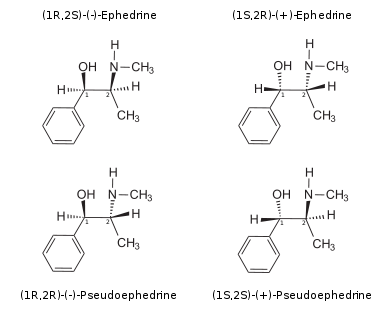
Ephedrine is a naturally occurring central nervous system stimulant and alkaloid which is obtained from the ephedra plant. Ephedrine is closely related in structure to methamphetamine and Adderall, but its’ effects on the central nervous system are less potent. Its secondary stimulant effects are similar to those of epinephrine (also known as adrenaline), but also are less potent. A less potent of ephedrine—pseudoephedrine—is commonly found many over-the-counter cold remedies.
The way ephedrine works is it allows more of the neurotransmitter norepinephrine to be released from storage vesicles and into brain synapses. When this neurotransmitter binds to receptors, it allows the bronchioles (the passageways by which air passes through the nose or mouth to the air sacs of the lungs) to relax. As a result, those who take ephedrine experience an increase in blood pressure and heart rate and generally experience an increased state of arousal. Ephedrine is commonly used medically for the temporary relief of the shortness of breath, chest tightness, and wheezing that is due to bronchial asthma.
History of Ephedrine
The history of ephedrine can be traced back over 5,000 years to Chinese medicine. Ephedrine and ephedrine-based extracts have been a staple in traditional and current Chinese medicine and is used to treat fever, asthma and nasal congestion. The drug was not introduced to Western culture until 1885 when Japanese organic chemist Nagayoshi Nagai isolated ephedrine from the ephedra plant.
Nagai’s discovery was largely unheralded until 1923 when scientists KK Chen and Carl F Schmidt revisited Nagai’s findings and decided to do further experiments on the drug. In their experiments, they found that ephedrine could provide the same relief as adrenaline could provide in regards to relief from asthma. Unlike adrenaline, ephedrine could be administered orally and soon it became the primary treatment for asthma and reached its’ peak in popularity in the 1950’s.
As the use of ephedrine in the treatment of asthma began to decline in the late 1950’s, the compound become more prevalent in both street drugs as well as nutritional supplements. By the early 1990’s, ephedrine was a main ingredient in many diet aids, but with its increasing popularity there were increasing number of users who were abusing these products. As a result, users who were misusing ephedrine-based supplements experienced adverse side effects and the number of people dying from these products significantly increased.
As a result, the Food and Drug Administration (FDA) required that all ephedrine-based products be removed from the market. In recent years, several fitness-based websites had started advertising the sale of workout supplements that contained ephedrine which led to speculation that the ban had been lifted. However, according to information provided by the FDA, the selling of ephedrine-based products and possession of ephedrine is still illegal.
How Ephedrine Is Administered
Ephedra can come in dried form and can be taken orally by tablet or capsule. Ephedra is also available in liquid form and can be prepared as a tea or can be added to a variety of beverages. In lower dosages, ephedrine can be used in the form of nose drops and is still used to a degree as a decongestant. In some cases, users may crush up ephedrine tablets and snort the drug, but the fillers present in tablets and capsules can lead users to develop liver and heart damage.
The Short-Term Effects of Ephedrine Use
The common side effects seen with ephedrine use include nervousness, increased anxiety, dizziness and headache. Additionally, users can also experience nausea, decreased appetite and may have trouble sleeping. Use of ephedrine can also cause urinary retention and dysuria, or painful urination. If users have taken large doses of ephedrine, they may experience a condition called tachycardia which is a resting heart rate which is higher than normal.
The Long-Term Effects of Ephedrine Use
Long-term ephedrine use can significantly increase the chances of users to experience abnormalities in their heart rate. Supplements which contain ephedrine can cause damage to the heart muscle, which can lead to the following issues:
- heart rate irregularities
- Inflammation of the heart muscle
- high blood pressure
- heart attack or cardiac arrest.
These potentially life-threatening side effects of ephedrine can also occur in conjunction with severe breathing difficulties or fluid retention within the lungs.
The long-term use of ephedrine-based products can also increase the risk of experiencing a seizure or stroke. Ephedrine is a central nervous system stimulant and can overexcite the muscle cells. Users can experience involuntary muscle tremors, convulsions or seizure. Supplements and other products which contain ephedrine can also interfere with the flow of blood to the brain, which can cause stroke symptoms to develop in individuals. Long term use of ephedra and products containing ephedrine can weaken the adrenal glands, which are critical in managing stress as well as maintains a healthy immune system.
Is Detox Necessary for Ephedrine Use?
Much like other stimulant drugs, people can develop a physical dependence and tolerance to ephedrine. Not only does the use of ephedrine increase the release of norepinephrine in the synapses of the brain, it also increases production of dopamine which is the brain’s “feel good” chemical. Dopamine allows people to feel focused, bright and clear. However, since ephedrine and other stimulant drugs rob the brain of its ability to produce dopamine on its own, users can experience a series of withdrawal symptoms if they stop taking ephedrine-based products. While the withdrawal symptoms can vary from person to person, they can include headache, nausea, vomiting, irritability, uncontrollable shaking, irregular heartbeat, paranoia, and depression.
Detox can help minimize the physical and emotional symptoms associated with withdrawal. After detox process is finished, the user can transition into drug treatment where they can begin treatment for the psychological part of their addiction. They will learn the knowledge and tools that they will need in order to handle their addiction when they return home and resume their normal day-to-day routines. If you have further questions regarding ephedrine and other forms of stimulant abuse, contact Sober Nation today and turn to our expert staff who can provide you the tools and resources you need to become better informed about ephedrine addiction.
About the author
Tim Stoddart
Spiritual gangster. I love dogs, music and the blank page. Grateful to be sober. Join my mailing list for TimStodz and join my Facebook Page.
Meth recovery stories
In their own words, from people in the Sober Nation community.
Before
I'm from Hawaii and I was Hawaii's most wanted.
Today
“Today I'm a motivational speaker and I speak to kids in the Hawaiian islands and I share with them the dangers of drugs (crystal meth) and prison.”
Kyle Q. · 21 years sober
Read Kyle’s storyBefore
After 6.5 years sober I thought that I could go out and socially drink.
Today
“3 years sober from alcohol, meth, bulimia, and self-harm. My life has been restored and I will forever be grateful.”
Alisha · 11 years sober
Read Alisha’s storyBefore
For 7 years I had been using crystal meth. I was smoking it and intravenously injecting it.
Today
“I finally stopped fighting. I got sick and tired of being sick and tired. Today I have 6 months clean and sober.”
Ralphy S. · 8 years sober
Read Ralphy’s storyReady to take the next step?
Recovery starts with finding the right treatment. Browse rehab centers, detox programs, and sober living homes in our nationwide directory.
Choose your next step
Keep reading, with a purpose
Related guide
Quitting Adderall: Prescribed Use, Misuse, and Recovery
Adderall may have started with an ADHD prescription, borrowed pills during exams, or something else. Those differences matter when you want to stop and decide who to ask for help.
Related guide
What are Stimulants? Understanding Their Effects & Uses?
Explore the comprehensive world of stimulants, including their effects, types, and potential risks. From caffeine to prescription medications, understand how stimulants work, their uses for conditions like ADHD, and the importance of managing their use responsibly to avoid health complications.
Related guide
Getting Sober: How to Start Safely and What to Do Today
If you want to get sober but do not know where to begin, start with the immediate questions: how to stop safely, who to ask for help, and what support you will need in the first few days.
Leave a Reply
Your email address will not be published. Required fields are marked *