

10 Skills You'll Need During Your First Year Sober.
By Tierni McGinnApr 5, 2019Recovery
In this article

The first year of recovery can be full of ups and downs. For many it’s the first time the feelings of hopelessness and despair have lifted from their soul. It can also be a vulnerable time, when the obsession to use is still powerful and invasive.
Many know the common rules. Don't date, make any major life decisions, attend 90 meetings in 90 days, etc. These are guidelines to follow established by others who have found success. But what are some other key success tips you may not be familiar with? This article will address 10 key skills and goals for your first year of sobriety.
Accept That You Have An Addiction

The aligns with the first step of AA, "we admitted that we were powerless over alcohol. That our lives had become unmanageable." Whether in a 12 step program or not, admitting you have an addiction is crucial during your first year sober.
Practice Honesty

Many times in addiction we are caught up in a web of lies. Now is the time to try a new way of life. Practice honesty with those around you. Your first year sober, it will help tremendously.
Avoid High Risk Situations

These can be very personal depending on the individual. If certain family members are triggering, distance yourself. If a certain area of town is full of temptation, avoid it. Don't attend work planned happy hours - especially the first year sober. Whatever it is, know your high risk situations and stay clear..
Make Time For You and Your Recovery

Recovery is a full time job for you now. This may include making time for meetings, meditation, time with sober friends, practicing your program. Your recovery should be your top priority in life.
Practice Saying 'No'
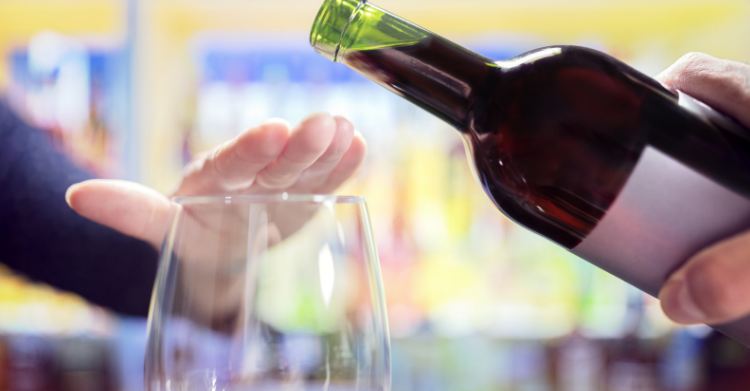
Be comfortable finding yourself and changing your way of thinking. You need to get comfortable in saying no to help avoid high risk situations, to practice assertiveness, and to provide self care for yourself.
Take Better Care of Yourself

Make sure your basic needs are met. Start off the day making your bed. Start routines and make sure you include self care.
Discover How to Have Sober Fun

Start a new hobby. Go do those things you always felt too crappy to do before. Now is the time to enjoy your life and live it!
Engage in Physical Activity
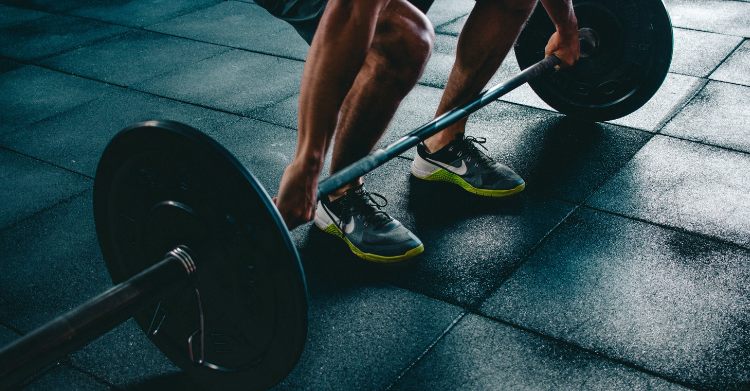
Exercise releases endorphins, the feel-good hormones. It's crucial for your emotional and physical health to engage in regular exercise.
"Play The Tape"

Cravings are inevitable. Help to combat the obsession by reminding yourself what you will lose if you use again. Remind yourself of the consequences.
Keep A Gratitude List
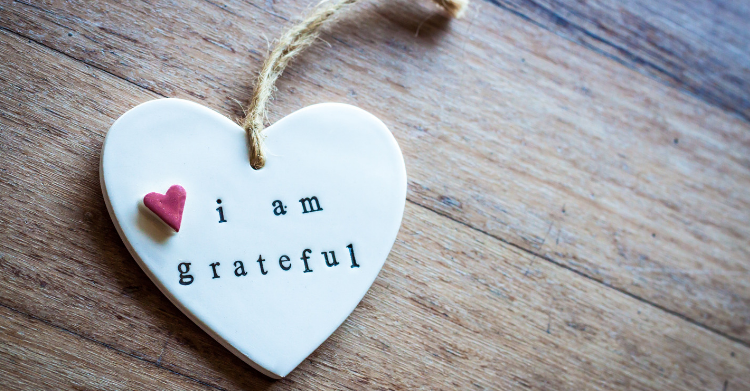
Remind yourself EVERYDAY what sobriety is giving you. Appreciate the world around you. Acknowledge it. Put it in writing. Look at it throughout the day if your mood is faltering.
These are just a few ideas to help you find success the first year sober. I'd love to know what you've found success with!
Ready to take the next step?
Recovery starts with finding the right treatment. Browse rehab centers, detox programs, and sober living homes in our nationwide directory.
Choose your next step
Keep reading, with a purpose
Related guide
What is Sobriety? Understanding Your Path to True Freedom
Explore what sobriety truly means in this enlightening article, delving into its journey beyond physical abstinence to emotional and psychological freedom. Discover how therapies like CBT, DBT, and MAT, along with a holistic approach, are key to overcoming addiction. Learn about sobriety's positive impacts on relationships, mental health, and overall well-being, highlighting the profound sense of freedom and fulfillment it brings.
Related guide
Getting Sober: How to Start Safely and What to Do Today
If you want to get sober but do not know where to begin, start with the immediate questions: how to stop safely, who to ask for help, and what support you will need in the first few days.
Related guide
Staying Sober: A Practical Guide to Protecting Your Recovery
Once you stop drinking or using, there is still work, family, stress, and free time to figure out. Staying sober involves building routines and knowing who to call when you want to use again.
Leave a Reply
Your email address will not be published. Required fields are marked *