
The Difference Between Dependence and Addiction
By Tim StoddartJan 8, 2026Updated Feb 5, 2026Articles
In this article
- Key Highlights
- Introduction
- Defining Dependence and Addiction in Modern Healthcare
- Medical Criteria for Substance Dependence
- Clinical Markers of Addiction
- Exploring the Main Differences Between Dependence and Addiction
- Behavioral vs. Physical Components
- Emotional and Psychological Aspects
- Physical Dependence Versus Psychological Addiction
- How Tolerance and Withdrawal Relate to Dependence
- Recognizing Psychological Triggers in Addiction
- Common Misconceptions About The Difference Between Dependence and Addiction
- Can Dependence Occur Without Addiction?
- Substance Use Disorders and Public Perception
- Treatment Approaches for Dependence and Addiction
- Tailoring Recovery Plans Based on Diagnosis
- Conclusion
Key Highlights
- Addiction involves compulsive substance use despite negative consequences, while drug dependence reflects a physical or psychological adaptation to a substance.
- Physical dependence can occur without addiction, particularly with prescription medications taken under medical supervision.
- Addiction primarily shows through behavior, like loss of control, whereas dependence shows through tolerance and withdrawal symptoms.
- A substance use disorder is a complex mental health condition requiring a more comprehensive treatment approach than managing physical dependence alone.
- Understanding these distinctions helps reduce stigma and ensures individuals receive the most effective treatment for their needs.
Introduction
People often use “dependence” and “addiction” interchangeably, but they describe very different experiences. Recognizing the difference is a crucial first step in understanding substance use disorders and their impact on mental health. Clear knowledge allows you or a loved one to find the right path to recovery and ensures the support matches your specific needs.
When talking about substance use, the words "dependence" and "addiction" are often used as if they mean the same thing. However, they describe very different experiences. Understanding the distinction is a crucial first step toward navigating the complexities of a substance use disorder and its impact on mental health. This clarity can help you or a loved one find the right path to recovery, ensuring that the support you receive truly matches your needs.
Defining Dependence and Addiction in Modern Healthcare
In the medical world, professionals have clear definitions for dependence and addiction to ensure accurate diagnosis and treatment. The American Psychiatric Association and the World Health Organization distinguish between the physical need for a substance and the compulsive behaviors that define addiction.
This distinction is vital in healthcare today. Drug dependence is seen as a state of adaptation where the body needs a substance to function normally. Addiction, now more commonly called a substance use disorder, is identified by a loss of control and continued use despite harmful outcomes.
Medical professionals make a clear distinction between dependence and addiction to ensure accurate diagnosis and effective treatment. The American Psychiatric Association and the World Health Organization separate the physical need for a substance from the compulsive behaviors that define addiction.
Dependence occurs when the body adapts to a substance and needs it to function normally. Addiction, often called a substance use disorder, involves a loss of control and continued use despite negative outcomes.
Medical Criteria for Substance Dependence
Historically, medical guidelines like the Diagnostic and Statistical Manual of Mental Disorders (DSM) used the term "dependence" to describe what we now often view as a part of a larger substance use disorder. Today, the focus has shifted, but the core signs of physical dependence remain a key diagnostic element. It primarily refers to the body's physiological adaptation to a substance.
When your body is physically dependent, it has adjusted to the presence of a drug and requires it to avoid withdrawal symptoms. This state can develop even when taking medication exactly as prescribed by a doctor. It signals that your body has come to rely on the substance for normal functioning.
Historically, the DSM used “dependence” to describe part of a broader substance use disorder. Today, we focus on the physiological adaptation:
- Tolerance: Needing higher doses for the same effect.
- Withdrawal: Experiencing symptoms when stopping or reducing use.
- Continued Use to Avoid Withdrawal: Taking the substance simply to prevent discomfort.
A person can develop physical dependence even when following a doctor’s prescription, signaling the body’s reliance on the substance for normal functioning.
Clinical Markers of Addiction
Addiction, on the other hand, is defined by a set of compulsive behaviors and a powerful mental dependence. Unlike physical dependence, which is primarily a physiological state, addiction is a complex brain disorder characterized by a loss of control over substance use. It's the "why" behind the use that truly separates it.
A person struggling with addiction will continue their substance abuse despite facing adverse consequences in their relationships, career, and health. This pattern of behavior shows that the substance has become the central focus of their life, overriding their judgment and self-control.
Addiction reflects compulsive behavior and psychological dependence. Unlike physical dependence, addiction focuses on the “why” behind substance use. People with addiction continue using despite harmful consequences in relationships, work, or health.
Common markers include:
- Impaired Control: Inability to reduce or stop use, with intense cravings.
- Social Problems: Neglecting responsibilities due to substance use.
- Risky Use: Continuing use in dangerous situations or when it worsens problems.
Exploring the Main Differences Between Dependence and Addiction
So, what is the core difference between dependence and addiction? Simply put, dependence is often a physical state, while addiction is a behavioral and psychological condition. You can be dependent on a substance without being addicted to it. This is a critical distinction that often gets lost in casual conversation.
Understanding this difference is not just about using the right words; it directly impacts how substance use issues are diagnosed and treated. Recognizing whether someone is experiencing physical dependence, addiction, or both is the first step toward creating an effective and compassionate plan for recovery. We will explore the specific components that separate these two conditions.
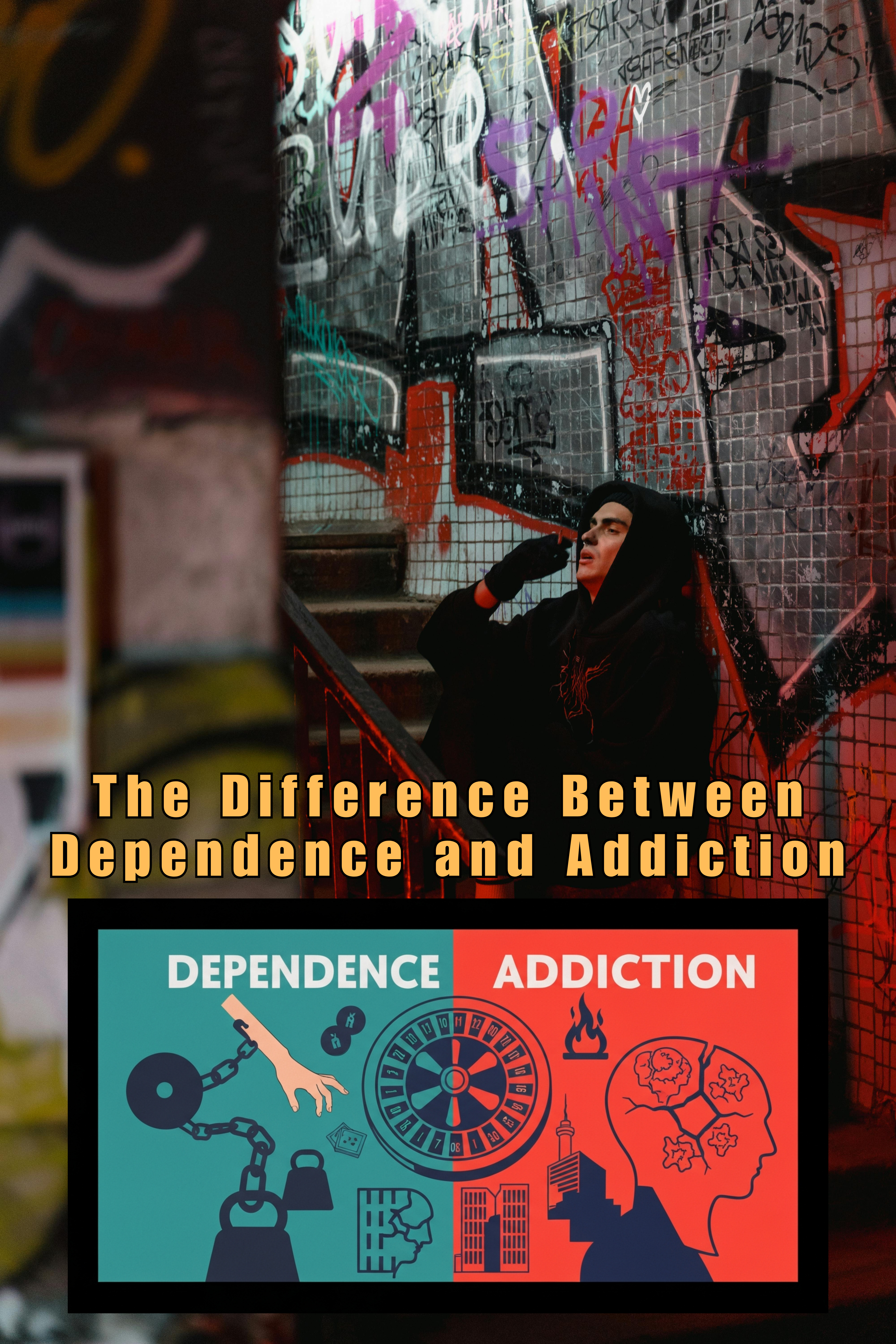
Dependence is mostly a physical state, while addiction is behavioral and psychological. You can be dependent without being addicted. This distinction is critical for accurate diagnosis and effective recovery planning.
Behavioral vs. Physical Components
The contrast between behavioral and physical factors is the clearest way to see the difference between addiction and dependence. Physical dependence is about your body's reaction. For example, someone who takes prescribed opioids for pain management will develop a physical dependence, meaning their body will go into withdrawal if they stop abruptly.
In contrast, the behavioral factors of addiction revolve around compulsive drug use. A person with an alcohol use disorder might continue drinking even after it costs them their job or damages their family relationships. These actions are driven by psychological cravings and a loss of self-control, not just the body’s need to avoid withdrawal.
Physical dependence reflects the body’s adaptation. For example, someone taking opioids for pain management may experience withdrawal if they stop abruptly. Addiction revolves around compulsive behavior. For instance, a person with alcohol use disorder might continue drinking despite job or family problems.
| Behavioral Components (Addiction) | Physical Components (Dependence) |
|---|---|
| Compulsive, drug-seeking behavior | Body needs the substance to function |
| Loss of control over substance use | Tolerance develops over time |
| Continued use despite negative harm | Withdrawal symptoms occur when stopping |
| Preoccupation with the substance | Can occur with prescribed medications |
Emotional and Psychological Aspects
Beyond the physical, psychological dependence is a powerful force in addiction. This is when using a substance becomes a conditioned response to certain feelings, events, or environments. These cues, known as triggers, can create intense cravings that are difficult to resist and severely impact your emotional health.
Certain risk factors can make individuals more vulnerable to developing this type of dependence. Underlying mental health conditions like depression or anxiety can increase the likelihood that someone will use substances to cope, creating a cycle that can lead to addiction. Your psychological health plays a significant role in this complex interplay.
Key emotional and psychological symptoms include:
- An inability to cope with emotions without the substance.
- Obsessive thoughts about using the substance.
- Anxiety or depression when unable to access the substance.
- Giving up hobbies and activities in favor of substance use.
Physical Dependence Versus Psychological Addiction
To put it another way, physical dependence is about the body's adaptation. When you stop using, you experience physical withdrawal symptoms like nausea, sweating, or tremors. This is your body signaling that it has come to rely on the substance to maintain balance.
Psychological addiction, or mental dependence, is rooted in the brain's reward system. It involves an overwhelming emotional pull and compulsive drive to use a substance to feel good or escape negative feelings. This is what fuels opioid addiction and alcohol addiction beyond the physical symptoms, making it a much more complex condition to treat. The following sections will break down the signs of each.
How Tolerance and Withdrawal Relate to Dependence
Tolerance and withdrawal are the two defining characteristics of physical dependence. Tolerance occurs when your body adapts to a substance over time, requiring you to take higher doses to achieve the initial effects. What once worked no longer does, pushing you to increase your intake.
This process is directly linked to withdrawal. When your body gets used to these higher doses, stopping suddenly can trigger a range of severe withdrawal symptoms. This physical reaction happens because your body is struggling to function without the substance it has grown dependent on. It's a clear sign that a physical adaptation has occurred.
Common physical signs of withdrawal include:
- Nausea and vomiting
- Sweating, shaking, and flu-like symptoms
- Headaches and sleep disturbances
- In severe cases, seizures or delirium
Recognizing Psychological Triggers in Addiction
Unlike the physical signs of dependence, the markers of addiction are often tied to psychological factors. Triggers are a major component of this. They are the people, places, emotions, or events that your brain associates with substance use, sparking intense cravings and the urge to use.
These triggers can be powerful enough to override rational thought, leading to compulsive behaviors. This is why addiction is considered a brain disorder; it rewires your brain's reward pathways. This process isn't limited to substances; a similar pattern is seen in behavioral addictions like a gambling disorder, where triggers lead to compulsive actions despite negative outcomes.
Common psychological triggers include:
- Emotional states: Feeling stressed, sad, anxious, or even happy.
- Social cues: Being around certain friends or in places where you used to use.
- Environmental reminders: Seeing objects or driving past locations associated with use.
Common Misconceptions About The Difference Between Dependence and Addiction
One of the biggest misconceptions about substance use is that dependence and addiction are the same. This confusion leads to significant stigma. People who are physically dependent on a prescribed medication may be wrongly labeled as having an addiction, causing shame and fear.
Clearing up this myth is crucial. A substance use disorder is a recognized mental illness involving compulsive use and adverse consequences. Simple substance dependence is a physiological state. Understanding this helps separate a medical condition from a behavioral one, promoting more compassion and less judgment.
Can Dependence Occur Without Addiction?
Yes, it is entirely possible to have physical dependence without having an addiction. This scenario is common among individuals taking certain medications under medical supervision, such as prescription opioids for chronic pain. Their drug use is managed by a doctor, and their body adapts to the medication over time.
These individuals will experience physical withdrawal if they stop the medication suddenly, but they don't exhibit the compulsive, drug-seeking behaviors of addiction. They are not obsessed with getting more of the drug, they don't lie or steal to obtain it, and they don't continue using it despite negative life consequences. Their dependence is purely physical.
Scenarios that illustrate dependence without addiction include:
- A cancer patient taking prescribed opioids for pain management.
- Someone on antidepressants who experiences withdrawal if they miss a dose.
- A person who tapers off a medication under a doctor's guidance without any cravings to continue use.
Substance Use Disorders and Public Perception
The public perception of substance use disorders is often clouded by stigma and misinformation. When people equate dependence with addiction, they may view someone with a physical dependence as having a moral failing rather than a treatable medical issue. This can have serious negative consequences.
This misunderstanding became particularly harmful during the opioid crisis, where patients in legitimate pain were sometimes denied medication due to fears of addiction. This stigma prevents people from seeking help and creates barriers to receiving compassionate care. Changing the public perception starts with using accurate language and understanding the underlying mental health components.
Inaccurate perceptions can lead to:
- Shame and isolation for those struggling.
- Reluctance to seek or offer help.
- Policies that punish rather than treat individuals.
- Damaged relationships with family and friends.
Treatment Approaches for Dependence and Addiction
Because dependence and addiction are different, their treatment options also vary. An effective treatment plan must be tailored to the specific diagnosis. For someone with only physical dependence, the focus is often on safely managing withdrawal symptoms under medical supervision.
However, addiction treatment is more comprehensive. It addresses the underlying psychological drivers of compulsive use, often involving a combination of therapies, medications, and support groups. The goal is not just to stop substance use but to heal the mental health issues contributing to it. We will now look at how these recovery plans are customized.
Tailoring Recovery Plans Based on Diagnosis
An accurate diagnosis is the cornerstone of a successful recovery. A plan designed for someone with drug addiction won't be a perfect fit for someone who only has a physical dependence. A professional treatment center will conduct a thorough assessment to create a personalized plan.
For physical dependence, a healthcare provider might recommend a medically supervised tapering schedule to minimize withdrawal. For addiction, the approach is broader. It often includes behavioral therapies to change thought patterns, medication to manage cravings, and support groups to build a sober community. This whole-person approach addresses both the physical and mental health aspects of the disorder.
Tailored recovery plans may include these actions:
- A medically managed detox to safely handle withdrawal.
- Cognitive-Behavioral Therapy (CBT) to identify and change destructive behaviors.
- Participation in 12-Step programs or other peer support groups.
- Dual diagnosis treatment to address co-occurring mental health conditions.
Conclusion
Understanding the difference between dependence and addiction is crucial for addressing substance use issues effectively. While dependence may involve physical reliance on a substance, addiction encompasses a broader spectrum of behavioral, emotional, and psychological factors. By recognizing these distinctions, individuals and healthcare professionals can better tailor treatment approaches that promote recovery. Busting common myths around dependence and addiction also plays a significant role in reshaping public perceptions, ultimately fostering a more compassionate environment for those seeking help. If you or someone you know is struggling, consider reaching out for support you're not alone on this journey.
About the author
Tim Stoddart
Spiritual gangster. I love dogs, music and the blank page. Grateful to be sober. Join my mailing list for TimStodz and join my Facebook Page.
Ready to take the next step?
Recovery starts with finding the right treatment. Browse rehab centers, detox programs, and sober living homes in our nationwide directory.
Choose your next step
Keep reading, with a purpose
Related guide
What is Sobriety? Understanding Your Path to True Freedom
Explore what sobriety truly means in this enlightening article, delving into its journey beyond physical abstinence to emotional and psychological freedom. Discover how therapies like CBT, DBT, and MAT, along with a holistic approach, are key to overcoming addiction. Learn about sobriety's positive impacts on relationships, mental health, and overall well-being, highlighting the profound sense of freedom and fulfillment it brings.
Related guide
Getting Sober: How to Start Safely and What to Do Today
If you want to get sober but do not know where to begin, start with the immediate questions: how to stop safely, who to ask for help, and what support you will need in the first few days.
Related guide
Staying Sober: A Practical Guide to Protecting Your Recovery
Once you stop drinking or using, there is still work, family, stress, and free time to figure out. Staying sober involves building routines and knowing who to call when you want to use again.
Leave a Reply
Your email address will not be published. Required fields are marked *