

What Effects does Alcohol Have on the Body?
By Tim StoddartMay 31, 2013Updated Sep 14, 2026Alcoholism
In this article
Alcoholism is an overwhelmingly present issue. It is a very powerful and damaging disease that is very capable of taking your health for a horrific downfall if left untreated.
With the consistent abuse of alcohol or someone suffering from alcoholism, there are short- and long-term effects on the body. But what someone may not realize is that the short-term all too often turns into the long-term and then you have reached an entirely new obstacle.
So what happens when you drink alcohol? Sure, it all seems well and good until you over drink. Who has ever had an experience in which you drank too much, became ill and swore off drinking all together? I know I have.
However, one thing is certain: Continuing to consume alcohol will bring upon uninhibited feelings tied with possible dizziness, slurred speech, possible aggressiveness and violence, emotional ups and downs and a sense of false well-being. Then you can look forward to the next day…the infamous hangover. A typical hangover which results from too much alcohol will cause headache, nausea, and fatigue.
While many people consume alcohol and willingly endure these short-term effects without having any sort of trouble or difficulty stopping, some aren't so willing to stop and become addicted. However, there are still short term effects that should be noted.
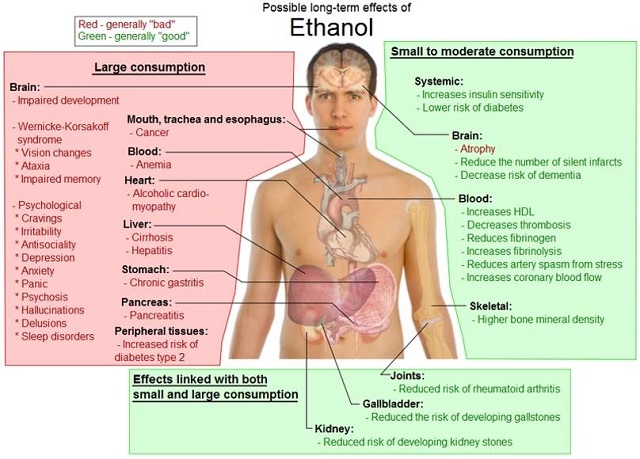 image source: http://bionews-tx.com/
Short-Term Effects
Alcohol is absorbed into our system through the walls of our stomach and intestines, which is why people get intoxicated more quickly on an empty stomach. Alcohol is processed by the liver, which is the only organ that produces the proper enzyme. When a person is drunk, they generally go through different “stages.” Starting with euphoria, as a person drinks alcohol they move into a stage of lethargy, followed by confusion, stupor, and coma or death.
Here is a list of some of the common short-term effects of alcohol on our bodies, which worsen and can become severe or life-threatening as more alcohol is consumed.
- Flushed face or red blotches on the skin
- Impaired fine motor skills
- Sedation
- Impaired memory
- Lack of muscle coordination
- Poor balance
- Blurred vision or other impaired senses
- Impaired ability to speak
- Dizziness
- Numbness to pain
- Nausea or vomiting
- Unconsciousness
- Inability to create new memories
- Decreased heart rate
- Difficulty urinating
- Respiratory depression
Long-Term Effects
For people who drink a lot of alcohol on a regular basis, the effects on their body can be quite significant. The liver is the part of the body that’s most affected. Long-term alcohol use can lead to a fatty liver, fibrosis, cirrhosis, and inflammation. The liver will not work as well and fewer nutrients and oxygen will reach the liver cells, which will eventually lead to liver failure.
Here is a list of more parts of the body that are affected by frequent alcohol consumption and how they’re affected:
- Heart: Heavy drinking can raise blood pressure and lead to heart arrhythmias, cardiomyopathy, and stroke.
- Brain: The brain’s communication pathways are impaired, which causes many of the short-term effects of alcohol, such as lack of coordination and memory. With heavy drinking, some damage to the brain and its communication pathways can be permanent.
- Pancreas: Alcohol makes the pancreas produce a toxic substance that can lead to a swollen pancreas and swollen blood vessels in the pancreas, which impairs digestion.
- Kidneys: Alcohol enlarges the kidneys, impairs their ability to function, and can lead to kidney disease and kidney failure.
- Immune System: Heavy drinking lowers the body’s defenses against disease and infection.
There are many other ways that alcohol can affect the body in the long-term. Frequent, long-term alcohol consumption can also lead to these diseases and conditions (directly or indirectly):
- Cancer of the mouth, esophagus, throat, breast, liver, and colon.
- Gouty arthritis
- Pneumonia
- Tuberculosis
- Hyperglycemia
- Hypoglycemia
- Malnutrition
- Nervous disorders like dementia and neuropathy
- Obesity
- Psychological disorders like depression, insomnia, and anxiety
- Fetal alcohol syndrome
The long-term effects of consuming alcohol will most definitely lead to some sort of damage to vital organs such as the liver and the brain. Oftentimes, alcoholism will lead to permanent damage. Other long-term issues entail a lack of good nutrition, as the alcoholic is focused on the drinking rather than eating properly. They also may suffer financially, as it is very difficult for someone to balance the disease of alcoholism and a commitment to employment.
There is a thin line between drinking alcohol in moderation and having it consume your life. Alcoholism often begins with casual and social drinking and then turns into a long-term lifestyle. No matter what your decision, to drink or not, the best thing you can do is be as aware as possible of all the dangers of alcohol running rampant.
Wernicke–Korsakoff Syndrome
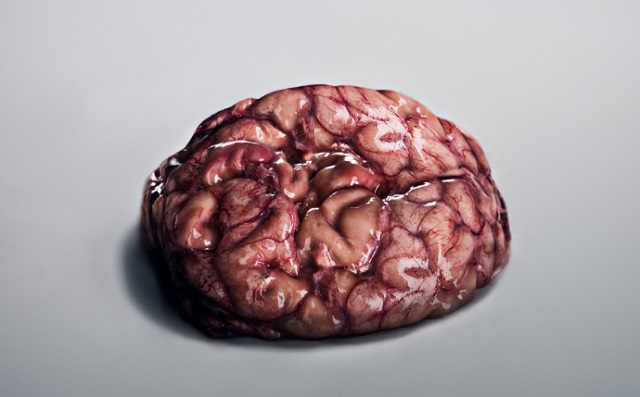
Up to 80 percent of alcoholics, however, have a deficiency in thiamine (15), and some of these people will go on to develop serious brain disorders such as Wernicke–Korsakoff syndrome (WKS) (16). WKS is a disease that consists of two separate syndromes, a short–lived and severe condition called Wernicke’s encephalopathy and a long–lasting and debilitating condition known as Korsakoff’s psychosis.
The symptoms of Wernicke’s encephalopathy include mental confusion, paralysis of the nerves that move the eyes (i.e., oculomotor disturbances), and difficulty with muscle coordination. For example, patients with Wernicke’s encephalopathy may be too confused to find their way out of a room or may not even be able to walk. Many Wernicke’s encephalopathy patients, however, do not exhibit all three of these signs and symptoms, and clinicians working with alcoholics must be aware that this disorder may be present even if the patient shows only one or two of them. In fact, studies performed after death indicate that many cases of thiamine deficiency–related encephalopathy may not be diagnosed in life because not all the “classic” signs and symptoms were present or recognized.
Wernicke–Korsakoff Syndrome is more commonly referred to as wet brain and it is an extremely sad and terrible state to see a loved one in. A man or woman with wet brain may not be the person you once knew. However, that is not to say that wet brain happens over night at the flip of a switch, it is a gradual process which depleted the thiamine (or vitamin b11) in the brain. Therapy can be done to possibly improve the condition but the effects are generally permanent and irreversible.

What Casual Drinking Does
Most of this page is about heavy or long-term drinking. Casual drinking, a drink or two with dinner or a few on a weekend, is easier on the body than that, but it is not free of effects, and NIAAA notes that current research points to health risks even at low amounts. The ones you are most likely to notice:
- Dehydration. Alcohol suppresses vasopressin, the hormone that tells your kidneys to hold fluid, so you urinate more and lose water. NIAAA says this mild dehydration likely contributes to the thirst, fatigue, and headache of a hangover.
- Blood sugar. If you have diabetes, alcohol combined with insulin or sulfonylurea medication can drop blood sugar dangerously, because the liver clears alcohol before it releases stored glucose; the American Diabetes Association singles out drinking on an empty stomach. For everyone else, NIAAA reports that heavy drinking may raise the risk of type 2 diabetes through weight gain, triglycerides, blood pressure, and reduced insulin sensitivity.
- Weight. Alcohol has calories and tends to come with more food, and NIAAA lists increased body weight among the ways drinking affects metabolic health.
- Heart. NIAAA describes effects on the cardiovascular system that grow with the amount consumed; the long-term list below covers the serious end.
- Nutrition and the gut. NIAAA reports that alcohol can damage the lining of the digestive tract and contribute to a "leaky gut," which affects how the body handles what you eat.
Two other everyday risks are worth naming: alcohol interacts with many common medications, and even one or two drinks raise the chance of a car crash. How much you drink is your decision, but if you find it hard to keep to the amount you intended, our guide to getting sober from alcohol explains how to think about that safely.
About the author
Tim Stoddart
Spiritual gangster. I love dogs, music and the blank page. Grateful to be sober. Join my mailing list for TimStodz and join my Facebook Page.
Alcohol recovery stories
In their own words, from people in the Sober Nation community.
Before
I was suffering badly from untreated alcoholism.
Today
“Life is good today, like a breath of fresh air. I have my family back in my life & more importantly they now have me.”
Connor · 4 years sober
Read Connor’s storyBefore
Nothing really bad happened. I didn't get a DUI. I didn't go to jail. I didn't lose anyone I loved. I was just DYING.
Today
“My grandchildren have never seen me drunk. My children barely remember it. I work with alcoholics to show them a better life.”
Kathy R. · 32 years sober
Read Kathy’s storyBefore
I never fit in with my peers, so I drank and that ostracized me from the ones I wanted to be with.
Today
“Don't get me wrong, life is no bed of roses and handling mental and physical illnesses is difficult but being sober is not one of the things I have to worry about.”
Gary N. · 46 years sober
Read Gary’s storyReady to take the next step?
Recovery starts with finding the right treatment. Browse rehab centers, detox programs, and sober living homes in our nationwide directory.
Choose your next step
Keep reading, with a purpose
Related guide
Getting Sober From Alcohol: How to Stop Drinking Safely
Stopping alcohol suddenly after heavy drinking can be dangerous. Here is how to plan a safer stop with a clinician, what treatment involves, and how family can help.
Related guide
Alcoholism Self-Assessment Screening Quiz
Related guide
Getting Sober: How to Start Safely and What to Do Today
If you want to get sober but do not know where to begin, start with the immediate questions: how to stop safely, who to ask for help, and what support you will need in the first few days.
Leave a Reply
Your email address will not be published. Required fields are marked *