

The Importance of Gratitude
By Tim PowersSep 25, 2013Updated Sep 14, 2026Relapse Prevention
In this article
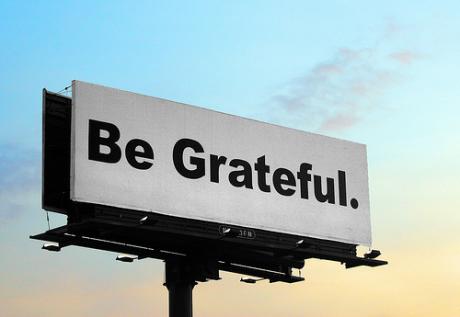
The state of gratitude is one of the most profound states of mind and being a person can feel. By definition, gratitude is an emotion in which an individual expresses thankfulness, gratefulness, or has a feeling or attitude of appreciation regarding a benefit they have received or are about to receive. To feel gratitude, we acknowledge those things in our life that are good and are the foundations to orient us in a positive direction. While at times we can easily be enveloped in the storms that life can bring, taking pause to ruminate on those things that we have going for us—as basic and simple as they may be—can hit that refresh button in our soul and we can find our bearings.
Having gratitude in recovery is extremely important.
Why is gratitude so important?
and why can its practice be so transformative to an individual, especially someone in recovery? For starters, gratitude can remind you of the positive things in your life. In the midst of the trials and tribulations that life can bring, reminding yourself there are people in your life that support and love you brings happiness. Also, having gratitude can change obstacles and bad things into opportunities for positivity—be grateful for the challenges that are put before you, for they can provide the impetus for growth.
Gratitude is also about thanking others. The simple act of saying thank you or reaching out to a family member or friend shows an appreciation of who they are and what they mean to you. Ultimately, having gratitude reminds you of what is truly important, which is family, friends, health and security, among other things. Ultimately, you must have gratitude towards yourself. It may sound cliché, but it is true—you cannot learn to love, respect and cherish others unless you can do those things for yourself.
How can a person cultivate a life of gratitude?
The great thing about gratitude is that is doesn’t have a huge material price tag. One suggestion is taking a few minutes in the morning before the start of your day to give thanks to whatever and whomever you are grateful for. It can be as simple as finding a quiet space in your apartment or home, closing your eyes, and giving thanks. You can verbalize it if you wish or give thanks in silence—whatever way feels the most natural.
Give Thanks
Another suggestion is to say thank you more often. If someone does something nice for you be sure to thank them, no matter how small the gesture may seem. Along the same lines, if during your day you think about a recent instance in which a friend or a family member did something nice for you, make sure you call and thank them, or better yet thank them in person if you are able to. It can be those small things that people do for us that can change a bad day into a good one.
Learn to give thanks for those things in life that are negative or cause obstacles in your life. Things are not always what they appear and can be thought of in different ways. Yes, there are times in life where the challenges may seem to great and what we are feeling is doubt, pain and uncertainty. If we fixate on those negative aspects we are diverting energies away from avenues in which there could be opportunities for growth. Instead of having a “why me” attitude, have a “why not me” attitude instead.
It has been said that God doesn’t put something in front of you that you can’t ultimately handle. Granted, the use of the word God in recovery may rub some the wrong way. However, even if you take that word out of the equation, it still holds up. While there may be problems that are laid in front of us that seem insurmountable, we do have the inner strength, capacity and creativity to overcome.
Gratitude as a Guard Against Complacency
An earlier Sober Nation post on gratitude in recovery made a point worth keeping alongside the practices above. After you have been sober for a while, it is common to start feeling overconfident. You might begin to think you are cured, or that you could handle drinking or using just a little. Gratitude for your sobriety and for the good things in your life reminds you how much better things are now than when you were using, and that reminder is what keeps you connected to your recovery when the urgency of early days has faded.
That post's practical list is also worth repeating:
- Keep a gratitude list or journal. Write down what you are grateful for, read it over, and add at least one thing every day.
- Practice mindfulness. Focusing on the present instead of the past or the future goes hand in hand with "one day at a time."
- Help other people. It makes you feel good and it humbles you.
- Find the positive. When a negative thought shows up, challenge yourself to find some good in it, even if you do not believe it yet.
About the author
Tim Powers
I've been writing for Sober Nation since 2013. I'm a lover of the bass guitar, old vinyl and coffee. Bald, tattooed and a Gemini. Eleven years clean and paying it forward.
Ready to take the next step?
Recovery starts with finding the right treatment. Browse rehab centers, detox programs, and sober living homes in our nationwide directory.
Choose your next step
Keep reading, with a purpose
Related guide
What is Sobriety? Understanding Your Path to True Freedom
Explore what sobriety truly means in this enlightening article, delving into its journey beyond physical abstinence to emotional and psychological freedom. Discover how therapies like CBT, DBT, and MAT, along with a holistic approach, are key to overcoming addiction. Learn about sobriety's positive impacts on relationships, mental health, and overall well-being, highlighting the profound sense of freedom and fulfillment it brings.
Related guide
Getting Sober: How to Start Safely and What to Do Today
If you want to get sober but do not know where to begin, start with the immediate questions: how to stop safely, who to ask for help, and what support you will need in the first few days.
Related guide
Staying Sober: A Practical Guide to Protecting Your Recovery
Once you stop drinking or using, there is still work, family, stress, and free time to figure out. Staying sober involves building routines and knowing who to call when you want to use again.
Leave a Reply
Your email address will not be published. Required fields are marked *